
How to Remove Grip Tape From a Skateboard: Step-by-Step
This post contains affiliate links. As an Amazon Associate, we earn from qualifying purchases.
To remove grip tape from a skateboard, you need heat, a sharp blade, and patience. The most reliable method is to use a hair dryer to warm the adhesive for a minute or two at an edge, use a razor blade to lift a corner, then peel slowly while applying more heat to prevent tearing. With a hair dryer, the job might take less than five minutes, but older tape or certain brands like Mob are tougher.
That “less than five minutes” timeline from Surfertoday.com is the part most guides skip. They describe the steps but not the pace, heat, lift, pull, repeat. If you rush the pull, the tape rips and you spend twenty minutes picking fragments out of the grain. A key part of the process is knowing how to remove grip tape from a skateboard correctly.
What follows is the difference between a clean strip and a shredded mess when you compare a how to remove grip tape from a skateboard: the right tools, the one angle for your blade, and what to do when you hit the truck holes. We’ll also cover the spray-on grip nobody warns you about and the single biggest argument skaters have after the tape is off.
Key Takeaways
- Heat the edge for 1–2 minutes with a hair dryer before trying to peel; skipping this step almost guarantees the tape will tear.
- Pull the tape up slowly and keep the heat moving ahead of your peel; fast pulls separate the gritty top layer from its PVC backing, leaving a plastic sheet glued to your deck.
- Leftover adhesive residue is fine for a new sheet of grip tape according to Tactics and Skateboards.com, while Element Skateboards recommends sanding it off. You can skip the sanding or chemicals unless you’re leaving the deck bare or prefer a perfectly smooth surface.
- Spray-on grip isn’t tape and must be sanded off, as multiple Reddit users confirmed, a heat gun and blade will just chip the wood.
- Older grip tape and coarse brands like Mob are harder to remove; budget extra time and heat if your board has either.
The Tools You Actually Need (It’s a Short List)
You don’t need a workshop. A hair dryer, a razor blade or sharp knife, and a flat surface are enough. The hair dryer is essential. Trying to peel cold grip tape is like trying to unstick a label from a glass jar, it shreds. The heat softens the adhesive, turning a stubborn glue into something manageable. A heat gun works too, but it’s easier to overheat and damage the tape or wood. A hair dryer’s wider, gentler heat is the sweet spot.
The blade is for starting the peel, not for cutting. You need something thin and stiff to get under the edge. A utility knife blade or a dedicated skate tool with a blade works. Don’t use scissors or a thick knife; they’ll crush the edge instead of sliding underneath.
Common mistake: Trying to peel tape without heat. The first tug feels promising, then you hear a faint tearing sound. By the second tug, you’re holding a piece of grit while the plastic backing stays glued down.
The 5-Step Hair Dryer Method
This is the process Decathlon, Element Skateboards, and most skaters agree on for the how to remove grip tape from a skateboard question. It works on any standard sheet grip tape.
Step 1: Remove the Trucks
Take the eight nuts off the truck bolts and lift the trucks off the deck. This isn’t just about making the board flat. It gives you clear access to the grip around the truck holes, which Surfertoday.com notes is often the hardest part. Trying to peel over those holes with the trucks on snags the tape every time.
Step 2: Heat and Lift a Corner
Plug in the hair dryer and set it to high heat. Hold it a few inches away from one end of the board, focusing on an edge for a minute or two, as Tactics recommends. You want the glue warm, not molten. Then, take your razor blade. Surfertoday.com advises holding it at a shallow, 45-degree angle to the deck and sliding it just under the warmed edge. Other methods, like heating until you can pull it off with your fingers, are also suggested by sources like Surfertoday.com and Decathlon. Don’t force it. You’re not cutting; you’re separating. Lift just enough to get a fingernail under.
Step 3: Peel Slowly, Heat Ahead
Grab the lifted corner with your fingers. Now, with your other hand, move the hair dryer a few inches ahead of where you’re peeling. Pull the tape back slowly, keeping the tension even. If you feel resistance, stop pulling and apply more heat directly ahead. The goal is to let the heat do the work, not your muscles. If the tape does tear, and it might, especially with old tape, reheat the torn edge and start again.
Step 4: Deal with Residue (Or Don’t)
Once the sheet is off, you’ll see a shiny, sticky film. Here’s where sources disagree. Tactics and Skateboards.com state clearly that this leftover residue isn’t a problem; a new grip tape will lay over it fine. Element Skateboards, however, recommends sanding the board smooth with sandpaper. For a fresh apply new grip tape job, you can leave it. If you want the deck perfectly clean, a product like Goo Gone will dissolve it. Avoid harsh chemicals like acetone unless you’re ready to sand and refinish the wood.
Step 5: Clean Up the Edges
After the tape is off, run your blade along the deck’s edge to scrape off any raised wood fibers or tiny tape fragments. This ensures your new grip will lay flat. If you’re not regripping right away, give the deck a quick clean your grip tape (or, well, the wood) with a damp cloth to remove dust.
What If Your Grip Tape Tears or Is Too Stubborn?
Sometimes, despite the heat, the tape splits. Older grip tape is usually more difficult to remove, as Tactics notes. Coarse brands like Mob Grip also have a reputation for tenacious adhesive. If you’re dealing with either, double your heating time. Warm a larger section, not just the edge. Peel even slower, at an angle closer to the deck. If it tears repeatedly, you might need to reheat the torn edge and start again.
The other issue is hitting the truck holes. The tape often bonds tightly around the rim of each hole. When you peel up to one, don’t yank. Heat the area around the hole further, then use the tip of your blade to gently work the tape free from the circumference before continuing the peel.
The Spray-On Grip Exception (This Changes Everything)
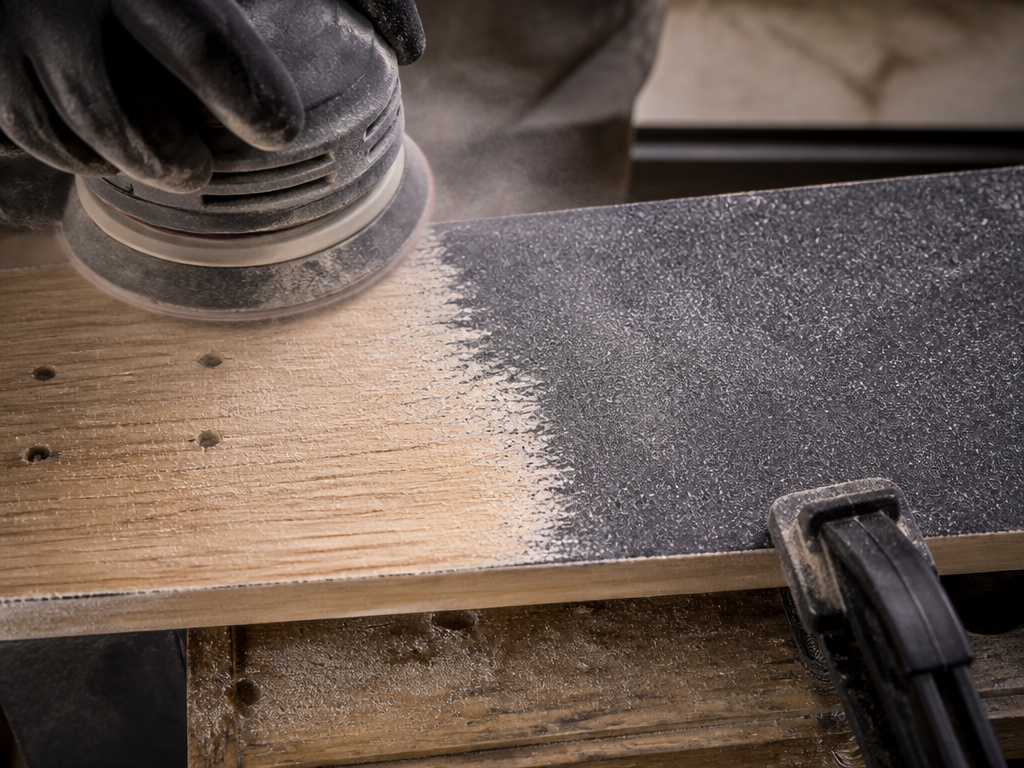
Everything above assumes you have standard sheet grip tape. If your board has a clear, painted-on gritty surface, the rules are different. This is spray-on grip, common on some longboards and cheaper completes. Reddit threads are full of skaters who learned this the hard way.
Where this goes sideways: Assuming spray-on grip is tape. Heating it and trying to peel just chips the wood and creates a huge mess.
Spray-on grip is essentially glue mixed with sand, sprayed directly onto the deck. There’s no sheet to peel. The only way to remove it is to sand it off. A palm sander makes quick work of it, but you can do it by hand with coarse-grit sandpaper. You’ll be sanding down to bare wood, which means any deck graphic underneath will be lost. This is a big reason many skaters avoid clear or sprayed grip, it turns a simple replacement into a major refinishing project. If you’re facing this and want to remove graphics anyway, sanding is your path.
Grip Tape Brand Differences That Matter for Removal
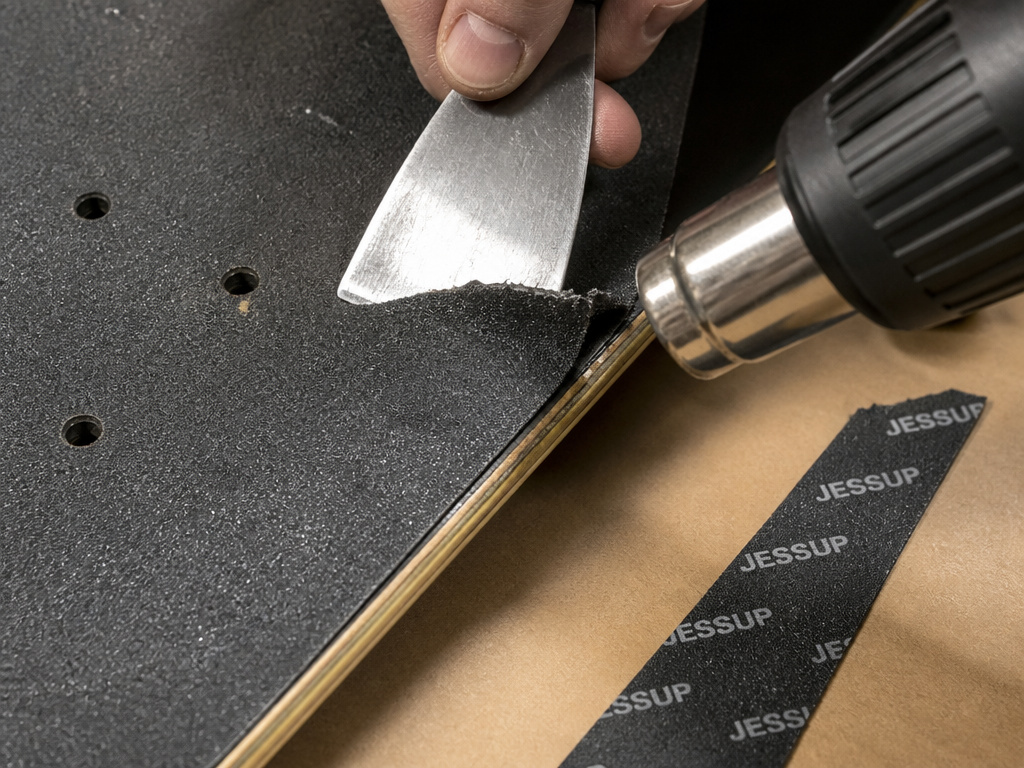
Not all grip tape is created equal, and this shows during removal. Skateboards.com aggregates user reports on coarseness and adhesive strength. Jessup brand grip tape is often reported as the least coarse and generally has adhesive that releases more easily with heat. Diamond and Grizzly brands are a step up in coarseness and stickiness. Mob Grip is consistently described as the most coarse, and anecdotally, its adhesive seems to bond the hardest.
This isn’t a quality judgment, many skaters love Mob for its unparalleled grip. But when it’s time for removal, know that a Mob-covered deck might demand more heat, more patience, and a higher likelihood of tearing. Adjust your expectations and your hair dryer timer accordingly.
Frequently Asked Questions
Can I remove grip tape without a hair dryer?
You can, but it’s much harder. Some people use a heat gun, but the concentrated heat can overheat and bubble the tape or scorch the wood. Leaving the board in direct, hot sun for an hour might soften the adhesive enough to start a peel, but it’s unreliable. The hair dryer is the recommended tool because it’s safe, effective, and nearly everyone has one.
Is the leftover sticky residue bad for the new grip?
According to multiple sources, no. Tactics says, “The leftover sticky residue isn’t a problem and the new grip tape will lay over it just fine.” Skateboards.com agrees, calling it “not a big deal.” The new tape’s adhesive will bond to the old residue. The only reason to remove it is if you’re not reapplying grip and want a clean deck, or if you’re a perfectionist who wants a perfectly smooth surface.
How do I remove grip tape from a skateboard with graphics I want to save?
If your deck has a graphic under the grip tape, you’re likely out of luck. The graphic is usually under the top ply of wood, and the grip tape is on top of it. Removing the tape won’t affect it. However, if you have a deck where the graphic is on top of the wood and under clear grip (a rare setup), removing that grip will almost certainly damage the graphic. Your focus should shift to preserving the graphic, which might mean very careful heating and the use of a plastic scraper instead of a blade.
My grip tape ripped into a million pieces. What now?
Don’t panic. This is why you have heat and a blade. Work in small, manageable sections. Heat a small area thoroughly, use the blade to lift an edge, peel what you can, then move to the next adjacent section. It’s tedious, but it’s still faster than trying to power through a cold, shredded mess. This is also where a product like Goo Gone becomes helpful for cleaning up the countless sticky bits left behind.
How often should I change my grip tape?
There’s no set mileage. You change it when it’s no longer grippy, when your shoes slide during pushes or tricks, or when it’s worn smooth in your foot placement spots. For some, that’s every few months; for casual cruisers, a sheet can last years. It’s cheaper and easier than a new deck, which is why learning to cut grip tape and apply it yourself is such a valuable skill.
Before You Go
The real secret isn’t in the peeling; it’s in the first sixty seconds of heat. Warm the glue properly and the tape almost wants to come off. Rush that step and you’ll fight it for half an hour.
If your board has standard sheet grip, the hair dryer method won’t fail you. If you discover you have spray-on grip, put the hair dryer away and pick up some sandpaper. And the next time you apply fresh tape, remember that coarse, beloved brand like Mob will pay you back with superior grip today, but ask for a little more patience when it’s time to let go.
Try this next session: Before you ride, run your hand over your grip. If it feels slick under your palm, it’s probably slick under your shoe. That’s your cue to start thinking about a change.
