
Skateboarding Gloves for Winter: How to Choose
This post contains affiliate links. As an Amazon Associate, we earn from qualifying purchases.
Skateboarding gloves for winter must balance three things: enough insulation to keep your hands warm, enough dexterity to feel the board and grip the trucks, and enough protection to handle the inevitable falls. The 2024 study by Wang and Zhang found that 67.66% of beginner skateboarder fall injuries involve the wrist, making protective design essential. A glove that only keeps you warm is a half-solution.
That wrist-injury stat changes the goal. You’re not just shopping for winter gloves you can skate in; you’re looking for the right skateboarding gloves for winter. The difference is in the priorities. A work glove might keep you warm but lacks the slide-resistant palm or wrist support you need for a bail. A pure downhill slide glove has the protection but zero insulation. Your job is to find the overlap, and it’s smaller than you think.
What follows is a breakdown of materials, protection features, and the real-world trade-offs. We’ll look at specific models that get close to the ideal, the one sizing rule that actually works, and how to care for gloves so they last more than one season.
Key Takeaways
- A 3000mm waterproof rating (like the Cold I-Touch glove) handles mist and wet pavement, but breathability matters more for long sessions to avoid sweaty, cold hands.
- For wrist protection, prioritize gloves designed for action sports with reinforced palms or built-in guards, as a 2024 study found wrists are the most vulnerable and neglected part in beginner falls.
- Fit is subjective and varies by brand; Seismic Skate explicitly states they cannot guarantee fit due to anatomical variation, so check return policies before buying.
- Leather palms (goatskin, cowhide) offer the best grip and durability for board feel, but require conditioning after getting wet to prevent cracking.
- Insulation placement is key: look for less insulation on the palm (like the Mammut Stoney HS‘s 100g/m²) to maintain dexterity, with more on the back of the hand for warmth.
The Warmth vs. Dexterity Trade-Off
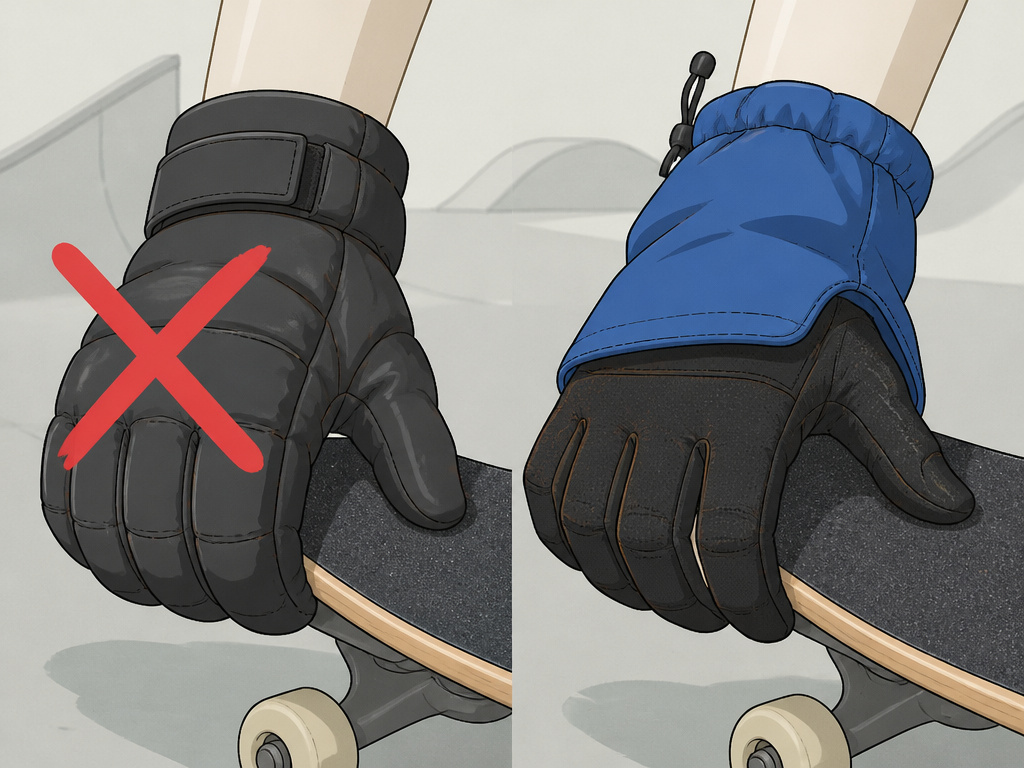
Bulky winter gloves killed my board feel. I’d be cruising, go to tweak a grab, and my fingers were just numb blocks inside a shell. I bailed more because I couldn’t tell where my fingers were on the board. That’s when I switched to a thin, grippy work glove under a loose shell, it was warmer than I expected and I could actually feel the grip tape.
The goal is to trap heat without losing finger articulation. Your hands generate heat when you’re active, but winter wind steals it instantly. The best gloves for skating use strategic insulation: less on the palm, more on the back. That’s the pattern you want. The palm stays thin enough for grip and board feel, while the back of your hand, which faces the wind, gets the warmth.
Common mistake: Choosing gloves based on temperature rating alone. A glove rated for very low temperatures might be so stiff you can’t bend your fingers to push. Prioritize flexibility in the knuckles and a slim palm profile.
Synthetic insulation like 3M Thinsulate is a warm, low-bulk middle ground. It’s warm, packs down small, and doesn’t add much bulk. For seriously cold, dry conditions, a primaloft or polyfill layer works, but it gets puffy. That’s expedition-level warmth, but you’ll sacrifice a significant amount of board feel. Reserve that for cruising or transport, not technical trick sessions.
Protection Features: More Than Just Warmth
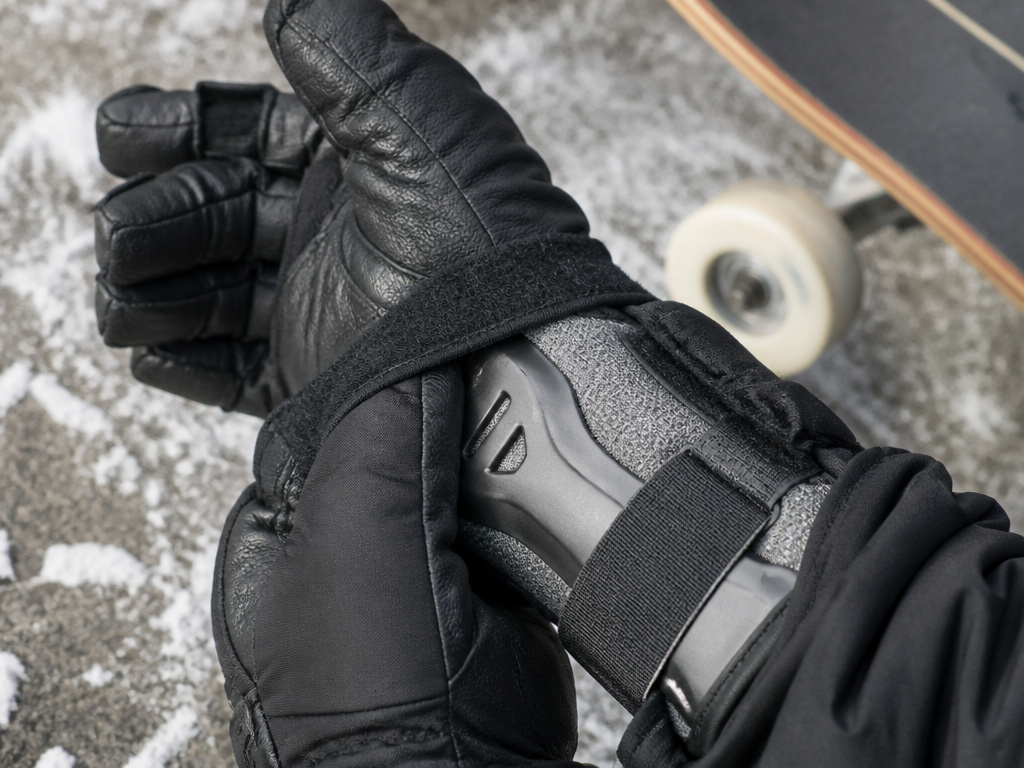
The Wang and Zhang study is blunt: beginner wrists are the most vulnerable and neglected part. When you fall, your instinct is to put your hands out. A standard winter glove might have a tough leather palm, but it does nothing to stop your wrist from hyperextending on impact. That’s where skate-specific protection diverges from general winter gear.
Protective gloves should be designed to shield the wrist from harm from falling. Some brands build that in from the start. The Seismic RACE Gloves are designed for modern downhill skateboarding and use ergonomic glove patterns custom-designed by a Pattern Master with 30 years’ experience. They’re not insulated, but they illustrate the priority: abrasion resistance first. For winter, you need to layer that protection under or over insulation. A separate wrist guard worn under a flexible glove is often the most effective solution, which is why our guide on the best wrist guards for skateboarding covers that specific gear combo.
| Protection Type | Best For | Winter Compatibility |
|---|---|---|
| Reinforced Leather Palms | Grip and abrasion resistance | High – works with insulated gloves |
| Built-in Wrist Splints | Impact and hyperextension prevention | Low – often too bulky under winter gloves |
| Separate Wrist Guards | Maximum impact protection | Medium – wear under flexible gloves |
| Kevlar/Composite Knuckle Guards | Knuckle protection during slides | Low – usually on uninsulated slide gloves |
Your choice here depends on your skating style. If you’re just cruising and want fall protection, a sturdy leather palm combined with a separate wrist guard is a safe bet. If you’re attempting tricks where you might slide on your palms, look for gloves that mention “slide resistance” or have reinforced palm patches.
Material & Construction Breakdown
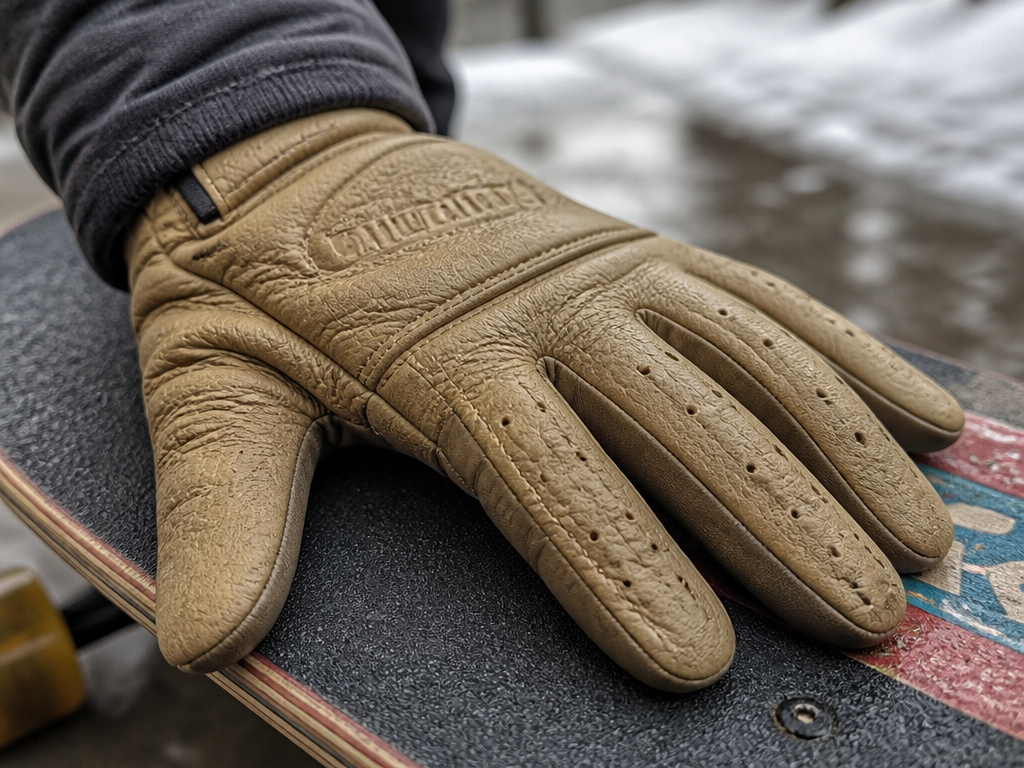
Not all winter glove materials work for skating. You need durability, water resistance, and breathability in one package. Here’s what to look for.
Outer Shell:
- Nylon/Polyester Blends: Common in brands like Black Diamond. It’s lightweight, wind-resistant, and dries fast. Good for dry cold.
- Goatskin Leather: Used in the Seismic RACE gloves and the palm of the Mammut Stoney HS. Provides superior grip and durability. It’s naturally water-resistant but needs care.
- Gore-Tex Laminates: The ultimate in waterproofing. The 686 Gore-Tex Smarty uses a GORE-TEX waterproof/breathable insert. It’s bombproof but expensive and can feel less flexible.
Insulation Types:
- 3M Thinsulate: A gold standard for synthetic insulation. It provides warmth without thickness. The 80g version in the Black Diamond glove is a sweet spot.
- Primaloft/Polydown: Lightweight, packable, and very warm even when wet. Tends to be bulkier than Thinsulate.
- Brand-Specific Insulation: Like Mammut’s LOOPINSULATION. These are often optimized for balance and breathability.
The Waterproof Question:
A 3000mm waterproof rating, like on the Cold I-Touch glove, handles light rain and wet pavement. For skateboarding, breathability is often more critical than extreme waterproofing. A fully waterproof membrane (like Gore-Tex) traps sweat, which can make your hands cold from the inside. Unless you’re skating in persistent rain, a water-resistant treatment (DWR) on a durable shell is usually sufficient. For true wet-weather skating, a dedicated skateboarding rain gear guide is a better resource.
Sizing and Fit Considerations
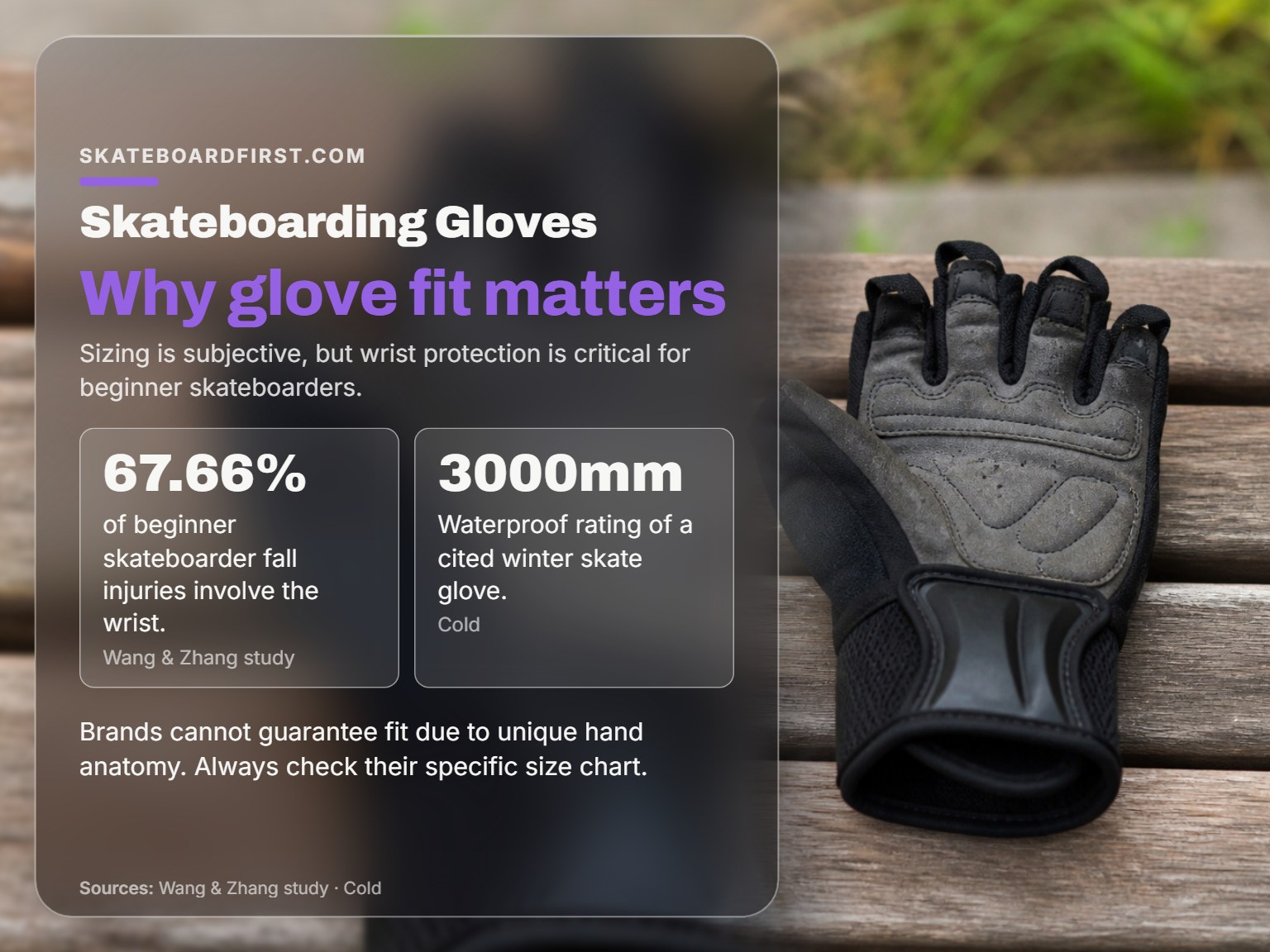
Seismic Skate’s product page includes a direct disclaimer: “Seismic cannot guarantee glove fit, which depends partly on your unique anatomy and partly on personal preference.” They note that finger and palm proportions vary wildly. This highlights the main conflict in glove sizing: commercial brands use simple circumference charts, while safety research implies a need for more precise, activity-specific sizing.
For skateboarding, a snug fit is crucial, but not tight. You need no extra material bunching in the palm, which deadens board feel. Your fingertips should just touch the end of the glove’s fingers when your hand is flat. When you make a fist, as you would to grip a board, you should feel a slight pull across the knuckles, but no restriction.
Where this goes sideways: Ordering your regular shoe size for gloves. Each brand has its own size chart. Always measure the circumference of your dominant hand, just below the knuckles (excluding the thumb), and compare it to the brand’s specific chart.
Here is a basic process:
- Measure: Use a soft tape measure around your hand below the knuckles.
- Check the Chart: Every brand’s sizing is different. A Medium in one brand is a Large in another.
- Consider Layering: Will you wear a thin liner underneath? If so, you might need to size up.
- Know the Return Policy: As Seismic notes, they’ll work with you if the size doesn’t fit, but they (and most brands) cannot cover return shipping. Check this before ordering.
A glove that fits right is a glove you’ll actually wear. A poorly fitting glove, whether too tight or too loose, will end up in your backpack five minutes into the session, defeating the whole purpose of your cold weather skateboarding planning.
Care and Durability for Frequent Use
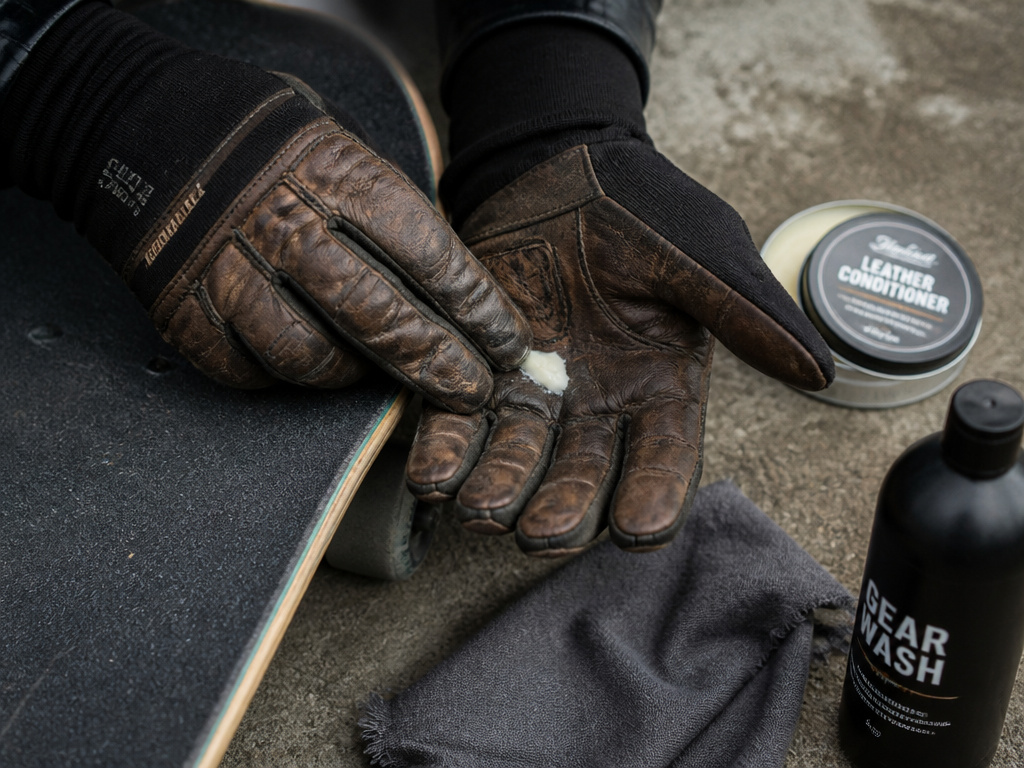
Skateboarding is tough on gear. Grip tape is abrasive, concrete is unforgiving, and winter adds moisture. How you care for gloves determines their lifespan.
The biggest divide is between leather and synthetic care. Reusch, a maker of high-end sports gloves, explicitly advises against hand-washing or machine-washing their leather gloves, stating it can harm the material, while common user practices and other brand instructions often permit gentle washing. They recommend wiping with a damp cloth. For full-leather gloves like the Seismic RACE or leather-palmed models, this is the rule: let them dry at room temperature after use, then treat with a leather conditioner (like dubbin) to maintain water resistance and prevent cracking.
Use a technical gear wash or mild soap, and air dry, never put them in a dryer. The heat can melt adhesives and damage waterproof membranes.
Easy to miss: The inside of the glove. Sweat and moisture build up inside, promoting bacteria and odors. After a session, turn the gloves inside out if possible and let them air dry fully before storing them. Stuffing damp gloves in a bag guarantees they’ll smell like a locker room by next week.
Durability comes down to construction. Look for double-stitching at stress points (between the thumb and palm, fingertips). A glove that is part of your essential protective gear for skateboarding is an investment. Buying a slightly more expensive, well-constructed pair often outlasts two pairs of cheap ones.
Recommended Brands for Winter Skateboarding Gloves
If you’re looking for gloves built for the cold and the crash, a few brands stand out. For winter conditions, look for models with a proven waterproof rating to keep your hands dry. Research shows that beginner skateboarders’ wrists are the most vulnerable and neglected part, so any glove you choose should be designed to shield the wrist from harm during a fall. For performance skating like downhill, some brands offer gloves designed specifically for that purpose, using expert ergonomic patterns. The fit is highly personal and depends on your unique hand shape, so look for a brand like Seismic Skate, which will work with you if the size you order doesn’t fit right.
Where to Buy Skateboarding Gloves for Winter
Finding the right pair means knowing where to look. Your main options are dedicated skate shops, both online and in person, and larger sporting goods retailers. When you find a product listing, read it carefully. Pay close attention to the sizing guides, but understand that glove fit can be subjective; a good retailer will note, as Seismic Skate does, that they cannot guarantee a perfect fit due to anatomical variation. Also, check the seller’s specific policies on returns and exchanges. Some will work with you if the size isn’t right, but they often cannot cover the cost of shipping the gloves back and forth. This makes getting the size right on the first try the best move.
Frequently Asked Questions
What are the best gloves for extremely cold weather skateboarding?
For extreme cold, you need a layered system. Start with a thin, moisture-wicking liner glove for dexterity. Over that, wear a flexible, insulated glove like the Black Diamond Recon LT. For the outermost layer, a shell mitten that fits over everything is ideal, you can remove it for skating and put it back on when cruising. The 686 Gore-Tex Smarty 3-in-1 system follows this principle.
Can I use regular work gloves for winter skateboarding?
You can, but with caveats. Brands like Wells Lamont make durable, grippy leather work gloves that are warm. However, they lack the wrist protection highlighted by the Wang and Zhang study and are often not designed for the abrasion of a concrete slide. They are a budget option for casual cruising where falls are less likely, but for regular street or park skating, proper protective gear is safer.
How important is touchscreen compatibility?
It’s a convenient feature, especially if you use your phone for music or navigation. The Cold I-Touch gloves are designed for this. However, the conductive material on the fingertips can wear out over time, and it rarely affects the glove’s core skating performance. Don’t make it a deciding factor over fit, warmth, or protection.
How do I know if my gloves are too thick?
If you can’t comfortably make a fist, feel your fingers touching when you pinch your thumb and index finger together, or if you have to consciously “search” for the board with your feet because you can’t feel it through your hands, the gloves are too thick. Dexterity is your first sign.
What if my hands still get cold?
Your body prioritizes keeping your core warm. If your torso isn’t insulated enough, it diverts blood flow away from your extremities. Before buying thicker gloves, make sure your core is warm with proper winter skateboarding attire. Also, keep moving. Static standing in cold weather will chill anyone’s hands.
Before You Go
The perfect winter skate glove doesn’t exist. You will always trade a little warmth for dexterity, or a bit of bulk for protection. Your job is to decide which trade-off matters most for your specific skating.
Start with the 67.66% stat: wrist protection isn’t optional. Build your system around that, whether it’s a glove with a built-in guard or a separate wrist guard under a thin glove. Then, add only as much insulation as you need to stay mobile.
Finally, trust your local conditions over a spec sheet. A 3000mm waterproof rating is a number; your local damp, 5°C pavement is the reality. Try before you buy if you can, and always check the return policy. Now go push, your hands will thank you by staying warm, functional, and intact.
