What Is Mongo Push in Skateboarding: The Cultural Stigma
This post contains affiliate links. As an Amazon Associate, we earn from qualifying purchases.
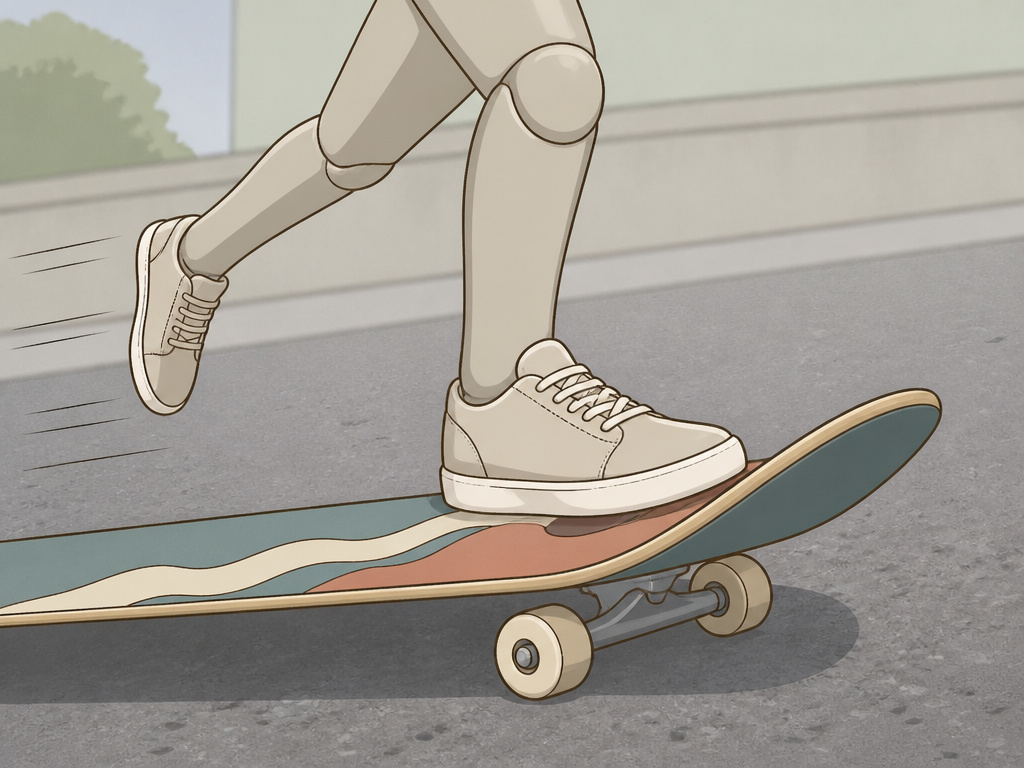
In skateboarding, a mongo push means propelling the board with your front foot while your back foot stays planted on the tail. It’s slower, less stable, and widely stigmatized within the culture, but it’s accepted, and sometimes preferred, when riding switch (with your non-dominant foot forward) or in downhill longboarding.
That’s the technical answer. The real-world answer is messier. Pushing mongo isn’t just a mechanical choice; it’s a social signal that can get you roasted on Instagram or quietly accepted in certain circles. The line between “bad habit” and “practical technique” depends entirely on what you’re trying to do on the board, which is why many skaters ask, “What is mongo push in skateboarding?”
What follows: a clear breakdown of the mongo push, the concrete performance trade-offs it creates, the cultural rules that govern it, and the specific situations where even pros use it, answering what is mongo push in skateboarding. By the end, you’ll know exactly where the stigma comes from and whether it’s something you need to fix.
Key Takeaways
- A mongo push uses the front foot to propel the board, which creates a slower, less stable setup compared to a regular push.
- The technique is heavily stigmatized for looking “goofy” and making trick setup more awkward, as your back foot isn’t positioned to pop the tail immediately.
- Pushing mongo is more accepted, and often expected, when skating switch, as it provides better stability for the back foot before a trick.
- Some downhill longboarders prefer the mongo push for perceived aerodynamic and momentum benefits, highlighting a key discipline split.
- Sources disagree on whether beginners should push mongo: Boardcoast.com says it’s perfectly okay when starting out, while the University of Arizona article and skater Kyle Joyner advise beginners not to push mongo.
The Definition: What Is a Mongo Push?
Look at the tail of your board. In a regular push, your back foot leaves that spot to kick against the ground, while your front foot stays planted over the front trucks to steer. A mongo push flips that script. Your front foot comes off to do the pushing, and your back foot stays planted near the tail. That one difference changes everything about your balance, speed, and how the skateboarding community sees you.
The term itself has a murky, potentially offensive origin. It’s likely derived from “mongoloid,” an outdated and derogatory term once used to describe people with Down Syndrome. Within skateboarding, the word “mongo” has evolved into pure jargon, it describes the pushing style, not a person, central to what is mongo push in skateboarding. But that history is why some skaters, especially in 2024, feel uncomfortable using the term. You might hear alternatives like “chicken foot” or just the direct instruction: “push with your back foot.”
The technical snippet: Mongo pushing is formally defined as propelling a skateboard with the front foot while the back foot remains on the board near the tail. This contrasts with the standard “regular” push, where the back foot provides propulsion and the front foot maintains steering control and board stability.
Why the Hate? The Performance Drawbacks
The stigma is built on measurable mechanical disadvantages that affect control and speed. When you push mongo, your weight shifts to the back of the board. This creates a top-heavy, teetering feeling that makes it harder to maintain a straight line or react quickly to cracks.
The bigger issue is time. After a regular push, your back foot naturally lands on or near the tail, ready to pop an ollie or set up for a trick. After a mongo push, you have a two-step reset: bring your front foot back to the board, then move your back foot into position. That extra half-second matters. It means you can’t hop a curb or avoid a pebble as instinctively.
I learned this the clumsy way. When I started, I pushed mongo without knowing it had a name. After three weeks of people telling me it was “wrong,” I forced myself to push regular. My balance vanished. I wobbled more, fell constantly, and my confidence cratered. I switched back to mongo just to roll the length of my street without bailing. The lesson is that an unstable regular push is far more dangerous than a stable mongo push. You need a foundation of balance before you optimize your technique.
The Control and Speed Trade-Off
Most sources agree on the core physics drawbacks. Pushing mongo is slower and less efficient because it requires that extra repositioning step, adding to your setup time. It also leads to less balance and stability since your weight leans on the back of the board. This isn’t just a style critique; it’s a functional one. Your front foot is your steering foot. When it’s off the board pushing, you have zero steering input. You’re essentially a passenger until you get both feet back on.
Where this goes sideways: Trying to ollie or hop over debris while pushing mongo. Your foot is on the tail, making these quick maneuvers much more difficult. You’ll miss the window to pop, and the board will shoot out from under you.
The Cultural Stigma and Its Exceptions
Skateboarding has always been about style as much as skill. How you look on the board matters. A mongo push, with its awkward, reaching motion, breaks the smooth, flowing aesthetic that defines “good” skateboarding. As one skater in the USC folklore archives put it, it looks “really goofy” and signals that you’re a beginner.
This stigma is powerful. The same archive notes that “no really good skateboarders push mongo” in their natural stance, and even pros pushing mongo while in switch “will still get roasted on Instagram for it.” It’s a visible marker that can define how you’re perceived at the park.
But there are two major, source-backed exceptions where the rules relax.
The Switch Stance Exception
This is the most accepted place for a mongo push. When you’re riding “switch”, with your non-dominant foot forward, pushing mongo (with your new front foot) is common. Why? It allows your natural back foot, which is now in front, to stay planted and provide stability before you pop the tail for a trick. It’s a practical choice over style.
In fact, some legendary pros are known for it. Eric Koston and Tony Hawk have both pushed mongo when skating switch. Boardcoast.com confirms that “most professional skateboarders push mongo while in switch.” It’s a tacit admission that in this specific, unnatural position, the standard rules don’t always apply.
The Downhill Longboarding Exception
Here’s where the skateboarding world splits. In the general street-skating community, mongo is condemned. But the University of Arizona source points out a different practice: “Some longboarders, especially downhill riders, prefer to push mongo because they believe they gain momentum and aerodynamics.”
The logic differs by discipline. A downhill rider might take a few powerful mongo pushes to build speed, then tuck into an aerodynamic stance without worrying about quick trick setup. For them, the trade-off might be worth it. This highlights a key point: whether mongo is “wrong” depends entirely on what kind of skating you’re doing.
Mongo in the Pro Ranks: A Mixed Bag
The professional scene reflects this cultural tension. A few pros, like Stevie Williams, have built legendary careers while pushing mongo in their natural stance, though an anecdotal source states ‘no really good skateboarders push mongo.’
Stevie Williams, a founder of DGK, is a prominent example. He pushes mongo and was named one of the 30 most influential skateboarders of all time by Transworld Skateboarding. His style is unmistakable, and his skill is undeniable. Then there’s Chris Cole. He started skating mongo but was told by Jamie Thomas, owner of Zero Skateboards, that he needed to stop if he wanted to be sponsored. Cole switched his push, and his career took off.
These stories show the real-world stakes. Pushing mongo can close doors with certain sponsors and teams who view it as a mark of poor technique. But it doesn’t preclude you from being incredibly influential or technically proficient.
| Skater | Pushing Style | Notable Achievement | Source Context |
|---|---|---|---|
| Stevie Williams | Mongo (natural stance) | Named among 30 most influential skaters by Transworld | Cited as a pro who defies the norm |
| Eric Koston | Mongo (switch stance) | Legendary street skater | Example of accepted switch mongo use |
| Chris Cole | Started mongo, switched to regular | Multiple SLS championships, sponsored by Zero | Shows sponsor pressure to change |
| Terry Kennedy | Mongo (natural stance) | Professional street skater | Cited as one of the few pros who pushes mongo |
Should a Beginner Stop Pushing Mongo?
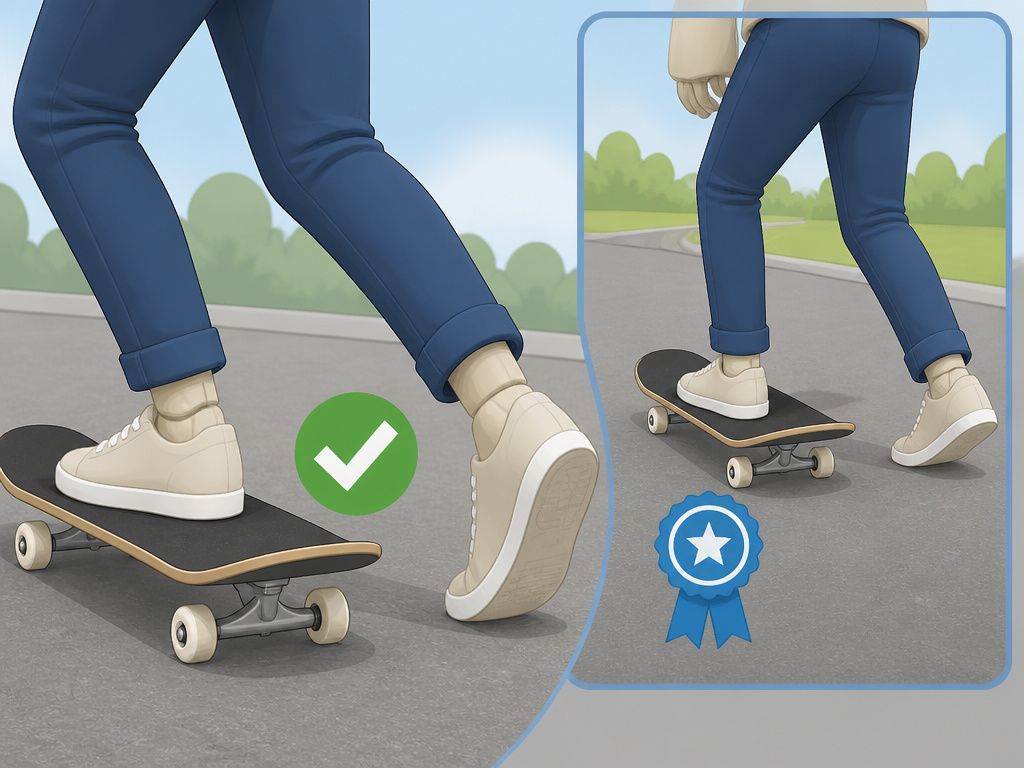
This is where the sources genuinely disagree, and it’s the most important practical question for a new skater.
One side, represented by the University of Arizona article and local skater Kyle Joyner, says yes, stop immediately. Their advice is blunt: “If you are a beginner at skateboarding, don’t start off on the wrong foot. Don’t push mongo.” Joyner, who pushed mongo for two years before switching, says regular pushing is “the right way” because it’s easier to control, faster, and more stable.
The other side, from Boardcoast.com, argues for patience: “Pushing mongo is perfectly okay when you’re starting out.” The logic is that board control and confidence come first. Forcing an unnatural regular push can make learning so frustrating that a beginner quits.
Sources disagree: Boardcoast.com says pushing mongo is okay for beginners, while the University of Arizona article and skater Kyle Joyner advise beginners not to push mongo. The goal for the first few months is to stay on the board and enjoy rolling. Once balance is second nature, which took me about four months, revisiting the regular push is a much easier, faster adjustment.
Common mistake: Forcing a beginner to switch to a regular push before they have basic balance. The result is more falls, shattered confidence, and a higher chance they’ll put the board away for good.
How to Switch from Mongo to Regular Push (If You Choose To)
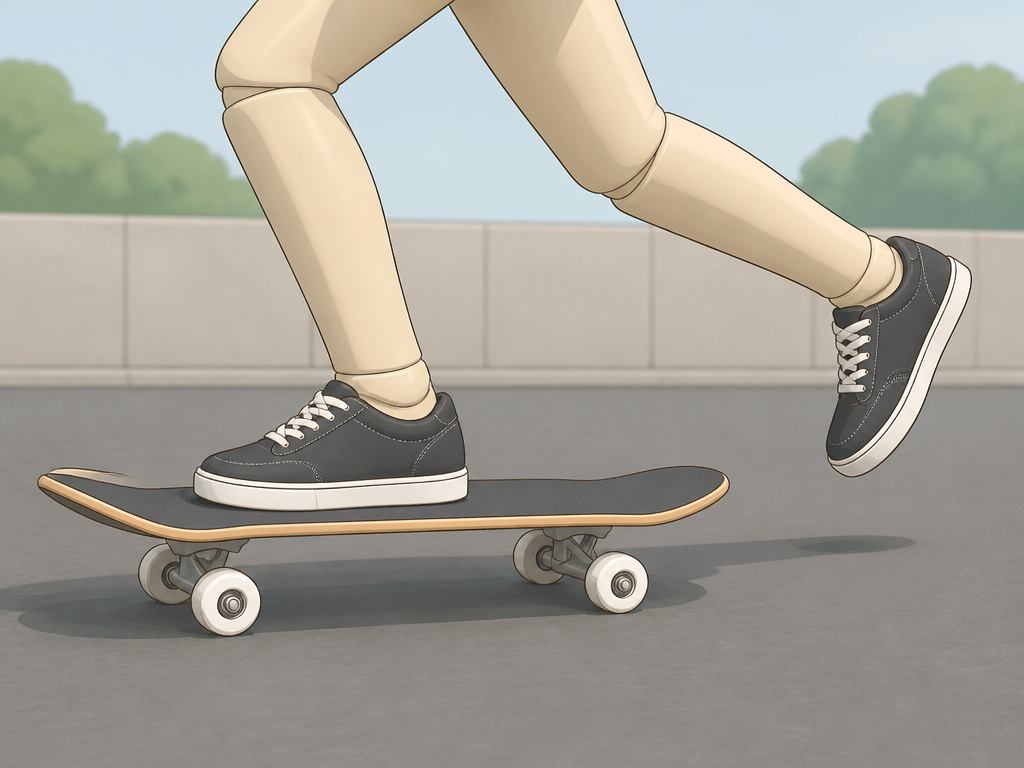
If you’ve built your balance and want to make the switch for more control and better park reception, the process requires retraining muscle memory. It’s a muscle memory retrain.
- Start stationary. Stand on your board in your regular stance on carpet or grass. Practice lifting your back foot off the tail and placing it back down, keeping your weight over your front foot.
- Practice the kicking motion. While stationary, go through the motion of kicking your back foot out and returning it to the board. Get comfortable with that weight shift.
- Roll slowly. Find a smooth, flat, empty parking lot. Take one single, slow regular push. Don’t worry about power. Focus on the sequence: front foot stable, back foot kicks, back foot returns to tail.
- Commit to short sessions. Your brain will want to revert to mongo under pressure. Dedicate just 10 minutes per session to regular pushing. Use mongo to get around, then practice regular pushes in a controlled drill.
- Be patient. It will feel awkward for a few sessions. The click happens when you stop thinking about the footwork and just go. That takes consistent practice over time.
The key is linking this change to a tangible benefit. Learn a simple trick like a shove-it or an ollie that is genuinely easier with your back foot already on the tail. That reward makes the awkward phase worth it.
Frequently Asked Questions
Is the term “mongo” offensive?
The term likely originates from “Mongoloid,” an outdated and offensive word. Within skateboarding, it’s used as jargon without intentional reference to disability, but its history makes some skaters uncomfortable. Many now simply say “pushing with your front foot” or use the alternative “chicken foot.”
Do any pro skaters push mongo?
Yes, but it’s rare in a skater’s natural stance. Stevie Williams and Terry Kennedy are cited examples. Many more pros, like Eric Koston and Tony Hawk, push mongo when skating in switch stance, which is widely accepted.
Is mongo pushing ever an advantage?
Some downhill longboarders believe it offers aerodynamic and momentum benefits for gaining speed before tucking. Sources disagree on mongo’s benefits: Boardcoast.com says it can help conserve energy on long distances, while the University of Arizona article cites a skater saying regular pushing is faster and more stable.
I’m a beginner and push mongo. Should I stop?
For immediate stability and confidence, it’s okay to keep pushing mongo while you learn basic balance and board control. Forcing a change too early often leads to more falls and frustration. Once rolling feels comfortable, you can revisit learning the regular push with a much stronger foundation.
Why does mongo pushing look so awkward?
The motion is less efficient. A regular push keeps the shoulders aligned with the board’s direction. A mongo push requires the upper body to twist toward the front foot, creating a hunched, reaching posture that breaks the smooth flow of movement.
The Bottom Line
Pushing mongo is a technique with real drawbacks, less speed, shaky balance, and awkward trick setup, that has also been molded by decades of cultural stigma. The “right” answer depends on your goals.
If you dream of technical street skating and sponsorship, learning the regular push is an essential skill. It’s the expected language of that world. If you’re a beginner just trying to feel the joy of rolling, let stability be your guide. Use the push that keeps you upright and moving forward. Everything else, including a cleaner, more efficient push, can be built on top of that confidence.
And if you’re ever watching a pro part and see a switch mongo push, know that it’s not a mistake. It’s a calculated choice, a small piece of evidence that even at the highest level, the rules are always more nuanced than they seem.
