
10 Best Toddler Scooters in 2026
This post contains affiliate links. As an Amazon Associate, we earn from qualifying purchases.
Our best overall toddler scooter is the Micro Kickboard Mini 3-in-1, which adapts from a ride-on toy to a full scooter as your child grows. We also like the Gotrax KS1 for a budget-friendly first scooter and the Radio Flyer My 1st Scooter for maximum stability.
Choosing the right scooter for a toddler means balancing safety features like wide decks with long-term value and ease of use. Our guide was built by comparing specifications, expert recommendations, and patterns in owner feedback across ten leading models. We’ll help you match your child’s age and skill level with the perfect scooter.
Top 10 Toddler Scooters in the Market
Certain content that appears on this site comes from Amazon. This content is provided "as is" and is subject to change or removal at any time.
The Best Toddler Scooters, Reviewed
Micro Kickboard Mini 3-in-1 Toddler Scooter

What We Like
- Converts from ride-on to O-bar to T-bar scooter as child grows
- Extremely lightweight yet supports up to 110 lbs
- Smooth-gliding, non-marking PU wheels for indoor/outdoor use
Trade-offs
- Requires an Allen key for initial seat assembly
The Micro Kickboard Mini 3-in-1 grows with your child from age one to five, which is the single biggest reason it stands out. That three-stage conversion from a seated ride-on to a proper lean-to-steer scooter means you’re getting years of use from one thoughtfully engineered package. Its Swiss-engineered reputation is backed by a two-year warranty and a US-based support team, giving you confidence this scooter will handle the daily rigors of toddler life. For parents who want a durable, adaptable scooter that eliminates the need for multiple purchases as skills develop, this is the clear choice.
The Micro Kickboard Mini 3-in-1 carries a higher price than similar scooters, a premium that expert round-ups justify by its quality and durability. Its deck mixes rubberized and hard plastic, a design experts preferred for offering superior grip in both wet and dry conditions over all-plastic alternatives. Compared to the similarly priced Radio Flyer My 1st Scooter, this model trades that scooter’s extra-wide base for a convertible design that adapts from ages 1 to 5. It is also slightly lighter at 4.2 pounds versus 4.4 pounds.
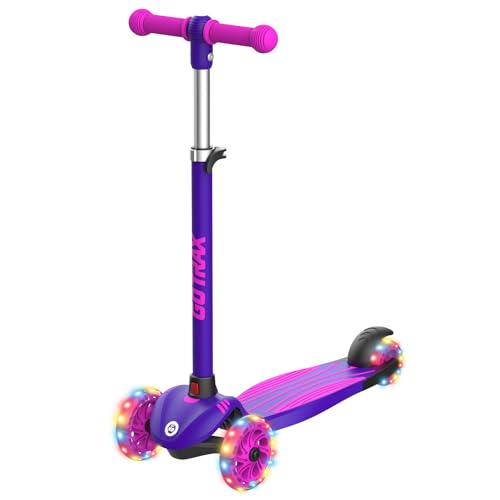
Gotrax KS1 Kids Kick Scooter
What We Like
- Lightweight and easy to carry
- Lean-to-steer aids balance development
- Quick disassembly with a button press
- Smooth-rolling ABEC-7 bearing wheels
Trade-offs
- Fixed 3-wheel design lacks a seat or conversion options
The Gotrax KS1 supports a maximum load of 110 lbs, allowing it to accommodate children from their first rides through their preschool years. Its handlebar adjusts to three heights, so the scooter can be tailored as a child grows taller. LED light-up wheels create a glowing effect during motion, adding visibility in low light, and the 5-inch wide anti-slip deck provides a stable footing. Gotrax includes a one-year manufacturer’s assurance for the product.
The KS1 is a dedicated kick scooter, unlike the convertible Micro Kickboard or the seat-equipped Retrospec Chipmunk Plus. It uses a lean-to-steer design for turning. A single red button allows the stem to be removed, and its 5.1-pound weight makes the disassembled scooter portable enough for car trunk storage.
Radio Flyer Flyer Glider Jr. Scooter

What We Like
- Adjustable handlebar grows with your child.
- Flexible deck absorbs shock for a smooth ride.
- Footbrake and three-wheel design aid safe stopping.
- High-performance bearings help toddlers focus on balance.
Trade-offs
- 44 lb weight limit is lower than several competitors.
- Lacks light-up wheels featured on many other scooters.
- At 5 pounds, it is heavier than the Micro Kickboard Mini 3-in-1.
A 44-pound weight limit makes the Flyer Glider Jr. a scooter built for the smallest riders. Its flexible deck and high-performance bearings create a stable, confidence-building platform specifically for toddlers learning to balance. This focus on fundamental stability over flashy features suits parents who prioritize a simple, durable first scooter from a trusted brand. It’s a solid choice for a two-year-old’s first real scooter adventure.
That lower weight capacity is the trade-off. A child will likely outgrow this scooter by size before they outgrow the scooter concept itself. When your rider is pushing the age limit but still needs a stable three-wheeler, the Retrospec Chipmunk Plus offers a similar lean-to-steer design but supports nearly triple the weight. The Flyer Glider Jr. excels at its specific job: launching the tiniest riders safely.
Product photos
Retrospec Chipmunk Plus Kids Scooter

What We Like
- Removable seat for sit-and-scoot flexibility
- Stable three-wheeled, lean-to-steer design
- Adjustable handlebar and seat for growing kids
- Rear brake for controlled stopping
Trade-offs
- Seat weight limit of 55 lb is lower than scooter capacity
- At 8.0 lb, it's heavier than many three-wheel scooters
A 130 lb weight capacity and removable seat make this scooter a versatile pick for parents whose toddler might need a break from standing or is just starting out. The adjustable seat and handlebar let it adapt as your child grows, while the three-wheel design and lean-to-steer mechanics build confidence in balance. It’s built for the kid who wants the option to sit and coast one minute, then pop up and kick the next, all with the added flash of light-up wheels.
Weighing eight pounds, the Retrospec Chipmunk Plus is heavier than many scooters for young children. That bulk can make it more difficult for a small child to carry, and it takes up more space in a car trunk. Its removable seat has a 55-pound weight limit, which is less than the scooter’s total 130-pound capacity. A child will likely become too heavy for the seat long before they outgrow the scooter itself.
Radio Flyer My 1st Scooter

What We Like
- Extra-wide base for maximum stability
- Two front wheels create a clear kick path
- Textured deck provides steady footing
- Lightweight frame for easy maneuvering
Trade-offs
- Fixed handlebar height lacks the adjustability found on many rival scooters
- Weighs 4.4 pounds, which is heavier than the lightest comparable model at 4.2 pounds
The Radio Flyer My 1st Scooter’s 12-inch wide deck and dual front wheels provide a uniquely stable platform for a toddler’s first kicks. This design eliminates the wobble that can frighten new riders, giving kids aged two to five a solid foundation to build coordination and confidence. The textured deck and clear kick path make it simple to get rolling, while the rear foot brake teaches safe stopping habits from the start. It’s the perfect pick for parents whose top priority is a safe, secure first scooting experience where falls are less likely.
That focus on stability does come with a trade-off in agility. The specially designed, non-leaning turning radius is safer but less fluid than the lean-to-steer action of a convertible model like the Micro Kickboard. This scooter is built for steady, straight-line cruising on sidewalks and driveways, not for carving tight turns. It’s a straightforward, durable tool focused entirely on mastering the basics, which makes it an excellent starting point before graduating to more dynamic scooters.
Scoot & Ride Highwaykick 1 Scooter

What We Like
- Unique 2-in-1 sit-and-stand design
- Tool-free adjustable seat and handlebar
- Three-wheel layout for superior stability
Trade-offs
- At 6.6 lb, it's heavier than the 4.2 lb Micro Kickboard
- No lean-to-steer mechanism for advanced maneuvering
A scooter that converts from a sit-on ride-on to a stand-on kick scooter grows with a child from ages one to five, so a single purchase covers years of use. This 2-in-1 design avoids the need for multiple riding toys as a toddler develops. Its stable three-wheel layout, with two wheels in front, provides a confident base for beginners learning to balance in either riding mode.
The trade-off for that durable, 2-in-1 construction is a bit more heft. At 6.6 pounds, it’s not the lightest scooter here, like the featherweight Micro Kickboard Mini 3-in-1. That means a younger child might need more help carrying it, and it takes up a bit more trunk space. It also forgoes a lean-to-steer system, which some other models use to teach more dynamic balancing. So while it’s a fantastic all-in-one solution for stability and longevity, a family purely focused on ultra-light portability or advanced steering techniques might look elsewhere.
Product photos
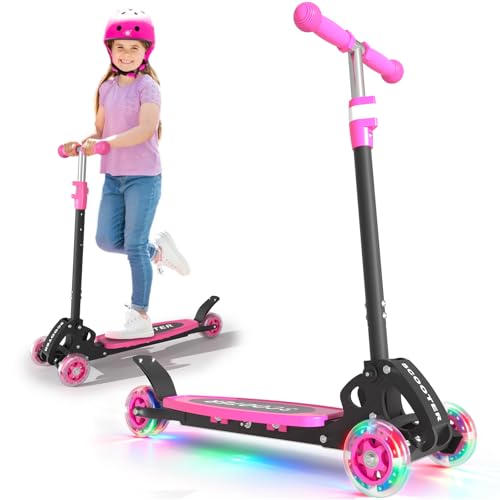
Feblomst LED Light Up Toddler Scooter
What We Like
- Folds flat to a compact 5.5 inches thick
- Lean-to-steer system for natural balance building
- Wide deck provides ample, confident foot space
Trade-offs
- At 7.4 lb, it's heavier than the 4.2 lb Micro Kickboard
- Fold mechanism adds complexity versus one-piece designs
With an adjustable handlebar and a 120-pound weight capacity, this scooter is designed for children from ages 3 to 8. The four height settings allow it to grow with a child, offering a longer usable lifespan than a fixed-size model. Its lean-to-steer system and wide deck provide a stable, intuitive platform for beginners to build balance.
The scooter’s steel frame contributes to its 7.5-pound weight, which is heavier than some models like the 4.2-pound Micro Kickboard Mini. However, it folds to a 5.5-inch thickness, creating a slim profile that fits easily into car trunks or closets for storage and transport.
Razor Jr. Lil' Kick Scooter

What We Like
- Extra-wide deck for stability
- Slip-resistant deck surface
- Larger polymer wheels
- Designed for first-time riders
Trade-offs
- Weighs 5.2 lb, heavier than the 4.2 lb Micro Kickboard
The 14.4-inch wide deck gives a beginner a confident, anti-tip stance, which is exactly what a wobbly three-year-old needs to focus on kicking instead of balancing. This Razor is built for that first scooter milestone, trading flashy features for a simple, stable platform that lets a child learn the basic push-and-roll motion without fear. It suits parents who want a no-fuss, classic scooter that prioritizes safety and ease for a toddler’s very first attempts.
The Razor Jr. Lil’ Kick Scooter is designed with an extra-wide slip-resistant deck and larger polymer wheels specifically for stability, making it a straightforward choice for a child’s first experience balancing and steering. Its classic manual design focuses on the fundamentals of kicking and steering without additional features.
Product photos
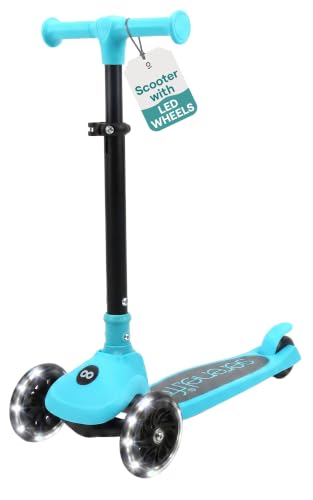
SereneLife Lightweight Toddler Scooter
What We Like
- Lean-to-steer control for easy, intuitive balance.
- Folds down for compact storage and travel.
- LED light-up wheels add visibility and fun.
- Rear foot brake provides safe stopping power.
Trade-offs
- Its 3-wheel design offers less agility than a classic 2-wheel scooter for older kids.
A 110-pound weight capacity means this scooter can grow with a child from their first wobbly attempts right up through preschool, making it a practical long-term choice. The combination of a stable three-wheel design and a wide anti-slip deck is built to build confidence in new riders. For parents who need to stash the scooter in a car trunk or a closet frequently, the foldable design is the main attraction, earning its spot as the most portable option.
The trade-off for that easy folding and lightweight build is that it doesn’t convert into a ride-on like the convertible Micro Kickboard. That feature might be a better fit for a younger toddler just starting out. Still, if your priority is a straightforward, durable scooter that’s simple to take on the go, the SereneLife hits a sweet spot. It provides a smooth, stable ride for a kid who’s ready to kick.
Product photos
Huffy Disney Frozen 3-Wheel Scooter

What We Like
- Stable three-wheel design for beginner confidence
- Spacious deck for comfortable foot placement
- Includes fun handlebar basket and shimmering streamers
- Easy-grip handlebars with a soft handlebar pad
Trade-offs
- At 5.7 lb, it is heavier than the 4.2 lb Micro Kickboard.
- No lean-to-steer mechanism for advanced skill development.
The steady three-wheel support is the key for a preschooler just finding their balance. This Huffy scooter uses that stable platform to build confidence, pairing it with a wide deck that gives a new rider plenty of room to plant their feet. It’s built for the child who needs a secure, reassuring first scooter experience, wrapped in Frozen graphics that turn a simple ride into a magical adventure. The included basket and streamers add to that imaginative play, making it a complete package for a themed, beginner-friendly start.
That stability does come with some trade-offs in progression. The fixed, traditional steering means it won’t teach the lean-to-steer technique that models like the Radio Flyer Flyer Glider Jr. use to develop more dynamic balance. It’s also a bit heavier than some minimalist options, which is the price for the decorative elements and sturdy build. Choose this when themed excitement and initial security are the top priorities over a scooter designed for a longer skill curve.
Product photos
How We Evaluated Toddler Scooters
Our research focused on comparing manufacturer specifications, expert round-up articles, and consistent patterns in verified owner reviews. We prioritized features that matter most for young riders: stability from three-wheel designs and wide decks, safety features like rear brakes, and adaptability through adjustable handlebars or convertible seats. We also considered practical factors for parents, such as scooter weight for carrying and overall value across different price points. Since this is a research-based evaluation, we did not perform hands-on durability or long-term use testing with the scooters ourselves.
What To Look For In Toddler Scooters
The ideal toddler scooter provides a stable, confidence-building platform for a young child to learn balance and coordination. Key features to compare include the steering mechanism, deck design, and how well the scooter can grow with your child.
Focus on stability from a three-wheel design, a safe braking system, and an adjustable handlebar. Convertible seats add versatility for younger toddlers, while lightweight frames are easier for kids to maneuver and parents to carry.
Stability & Steering
Three-wheel scooters are the standard for toddlers because they are self-stable and won’t tip over on their own. Most use a lean-to-steer mechanism, where the front wheels pivot as the child leans, which is more intuitive than turning handlebars for beginners. For maximum confidence, look for models with an extra-wide deck, like the Razor Jr. The Lil’ Kick Scooter provides a larger, slip-resistant platform for a child’s feet. Our research into best 3-wheel scooters confirms this is the safest starting point for young riders.
Age Appropriateness & Adjustability
A scooter’s fit is critical for safety and control. Look for an adjustable handlebar with a low minimum height to suit a two-year-old. This adjustability extends the scooter’s usable life as your child grows.
Models like the Micro Kickboard Mini 3-in-1 offer a long fit range, while others like the Radio Flyer My 1st Scooter have a fixed height. Consider your child’s current size. Also think about whether you want a scooter that starts as a ride-on, as seen in our guide to scooters for 2-year-olds, or one that will last into the preschool years, covered in our scooters for preschoolers resource.
Safety & Practical Features
A rear foot brake is a common and safe stopping method for toddlers, as it’s easy to engage without confusing hand controls. Check the weight limit to ensure it accommodates your child’s size; limits in this category range from 44 to 110 pounds. For parents, scooter weight matters for carrying and storage, lightweight aluminum frames around 4-5 pounds are ideal.
Foldable designs, like the Feblomst LED Light Up Toddler Scooter, save space, while removable seats offer flexibility. For a broader look at features across ages, our comprehensive guide to kids’ scooters offers more context.
- Confirm the scooter has a rear foot brake or a safe, simple stopping mechanism.
- Check the deck surface for a textured or slip-resistant material for secure footing.
- Verify the assembly process; some require tools, while others snap together.
- Consider if light-up wheels are a fun bonus for your child or an unnecessary feature.
- Look for smooth-rolling, non-marking wheels suitable for both indoor and outdoor use.
The safest scooter is one that matches your child’s current abilities, not the one with the most advanced features.
Toddler Scooters Compared
The table below compares key specifications across our top picks to help you see the differences at a glance.
| Product | Age Range | Wheel Count | Adjustable Handlebar |
|---|---|---|---|
| Micro Kickboard Mini 3-in-1 Toddler Scooter | 12 months to 5 years | 3 | Adjustable T-Bar |
| Gotrax KS1 Kids Kick Scooter | 2+ | 3 | 3 adjustable heights |
| Radio Flyer Flyer Glider Jr. Scooter | 2-5 years | 3 | adjusts to any height |
| Retrospec Chipmunk Plus Kids Scooter | 3+ Years | 3 | 26.5, 29, 31.5 in |
| Radio Flyer My 1st Scooter | 2-5 years old | N/A | N/A |
| Scoot & Ride Highwaykick 1 Scooter | 1 to 5 | N/A | adjustable |
| Feblomst LED Light Up Toddler Scooter | 3-5 | 3 | 22.8" to 29.7" |
| Razor Jr. Lil' Kick Scooter | 3+ | 3 | N/A |
| SereneLife Lightweight Toddler Scooter | 2-5 | 3 | 24.40" to 28.34" |
| Huffy Disney Frozen 3-Wheel Scooter | 3-5 | 3 | N/A |
Frequently Asked Questions
Is Globber or Micro scooter better?
Both brands are well-regarded for quality, but they serve slightly different needs. Micro scooters are often praised for their ultra-smooth gliding wheels and durable, lightweight construction. Globber models frequently feature innovative, tool-free adjustment systems. For a toddler, the specific model’s stability, weight limit, and adjustability are more important than the brand alone.
What age can a toddler start a scooter?
Many children are ready for a three-wheel scooter with a stable, wide deck around age two. Starting with a ride-on scooter or a model with a removable seat can help even younger toddlers get used to the motion. Always supervise closely and ensure the scooter is appropriately sized, with the handlebar no higher than your child’s chest.
What is the weight limit on most toddler scooters?
Weight limits vary significantly. Some beginner models for small riders, like the Radio Flyer Flyer Glider Jr., support up to 44 pounds. More versatile scooters, such as the Micro Kickboard Mini 3-in-1, can handle up to 110 pounds, allowing for use through multiple growth stages. Always check the manufacturer’s specified limit for your chosen model.
Are light-up wheels important for a toddler scooter?
Light-up wheels are not a safety necessity but a popular fun feature that can motivate children to ride. They also provide increased visibility in low-light conditions, which is a minor safety benefit. Some parents find them worth the slight extra weight, while others prefer simpler, lighter models without them.
Should I get a scooter with a seat for my toddler?
A seat is excellent for very young toddlers or those lacking confidence, as it allows them to sit and scoot first. Convertible models like the Retrospec Chipmunk Plus or the Micro Kickboard Mini 3-in-1 let you remove the seat as your child’s balance improves, offering long-term value. For an older or more confident toddler, a standing-only scooter is perfectly suitable.
The Bottom Line
The Micro Kickboard Mini 3-in-1 Toddler Scooter is our top recommendation for its unmatched adaptability, supporting a child from their first seated ride through to confident scooting. If your budget is tight, the Gotrax KS1 provides a fantastic, no-fuss introduction with a lean-to-steer design. For parents of a very small or cautious rider, the Radio Flyer My 1st Scooter offers the extra-wide base needed to build confidence.
Ultimately, prioritizing stability and a proper fit for your child’s current size is the most important step in choosing a safe and enjoyable first scooter.
