
How to 5-0 Stall on a Quarter Pipe: Step-by-Step
This post contains affiliate links. As an Amazon Associate, we earn from qualifying purchases.
To do a 5-0 stall on a quarter pipe, you roll up fakie, pivot your back truck onto the coping, and balance with your back wheels pinched against the metal. The trick hinges on a wide stance, a heel-side pinch, and a controlled pivot off the coping to drop back in.
That pinch is the whole game. It’s what keeps you from sliding off the coping and bailing backward. Your back truck’s hanger sits on the metal, your wheel gets squeezed between the deck and the coping, and that friction holds you in place long enough to set up your exit.
What follows is the exact sequence to find that balance point, which is the core of how to 5-0 stall on a quarter pipe: how fast to go, where to put your feet, how to pivot onto the coping, and the one common mistake that sends most beginners sliding out. By the end, you’ll know how to lock in, hold it, and roll away clean.
Key Takeaways
- A 5-0 stall is a balance trick, not a grind; your back truck rests on the coping with the wheel pinched, not sliding.
- Approach in a fakie stance (riding backward) with a wide, stable base and your weight centered.
- The heel-side pinch is critical, lean your weight toward your heels to press the wheel against the coping and lock in.
- Exit by pivoting off with your shoulders, not just your feet; lead the rotation with your upper body to drop back in cleanly.
- Practice the fakie roll-up and pivot motion without stalling first to build the muscle memory for the full trick.
The Pinch: Where the Trick Actually Lives
A 5-0 stall isn’t a grind. That’s the first thing to get straight. In a 5-0 grind, you slide along the coping or ledge on your back truck. In a stall, you stop. Your truck hanger sits directly on top of the coping, and your back wheel gets pinched between the deck and the metal. That pinch is your anchor.
The difference is force, not position. A grind needs lateral momentum; a stall needs vertical pressure straight down through the truck to create the pinch friction. Lose that pressure, and you slide off.
I learned this the awkward way on a mellow bank, not a quarter pipe, before I understood how to 5-0 stall on a quarter pipe. I’d roll up, get my truck on the coping, and immediately tip over backwards. My mistake was leaning away from the ramp, trying to “get over” the coping. All that did was lift my front wheels and kill the pinch. The fix was counterintuitive: lean slightly into the ramp, driving my heel down to press the wheel into the metal. That pressure creates the lock. You’ll feel it, a solid, gritty stop instead of a slippery slide.
Why the Pinch Works (The Why-Layer)
The physics is simple friction. The rubber of your wheel, compressed between the wooden deck and the steel coping, creates a high-friction interface. Leaning onto your heel increases the normal force, the perpendicular push, between the wheel and the coping, which directly increases the frictional force holding you in place. A narrow stance reduces your ability to generate this force; a wide stance gives you a stable platform to drive that heel down effectively. This is also why softer wheels can make stalling feel more secure initially, though they wear faster on concrete.
Footwork and Stance: Your Stable Platform
Your feet decide everything before your truck even touches the coping. A narrow, twitchy stance means you’re fighting for balance the moment you stall. A wide, planted stance gives you control.
Start in your normal riding stance as you roll up to the quarter pipe. As you reach the transition, shift into a fakie position, riding backward with your shoulders squared to the ramp. Your front foot should be over or just behind the front bolts, ball of the foot on the board. Your back foot goes in the pocket of the tail, covering the back bolts. Widen your feet beyond shoulder-width. This isn’t a graceful pose; it’s a stable base. You’re building a platform to push from.
Where this goes sideways: Placing your back foot on the very tip of the tail. This shifts your center of gravity too far back, making the pivot onto the coping a lunge instead of a controlled lift. Keep your foot over the bolts.
I spent a week trying to stall with my feet too close together, convinced a narrower stance looked more “proper.” The result was a wobbly, one-second hold followed by a frantic kick-out. Widening my stance just two inches changed the trick from impossible to repeatable. It felt less stylish but infinitely more functional. Style comes after consistency.
Speed and Approach: The Goldilocks Zone
Too fast and you’ll overshoot the coping, landing in a sketchy manual or just flying off the back. Too slow and you’ll never get your truck up onto the metal, stalling out in the transition and stuttering back down.
The sweet spot for how to 5-0 stall on a quarter pipe is a medium, consistent speed. You want enough momentum to carry your rear wheels up to the coping’s apex, but not so much that you can’t stop your forward motion. A practice drill is to roll up fakie and aim to plant your back truck right at the coping without trying to stall, just tap it and roll back down. Get a feel for the speed that brings you to that point comfortably.
Listen for the cue. The right approach speed makes a specific hollow thunk when your wheels hit the transition just right, not a slapping sound from coming in too hot or a dragging sound from being too timid. Your ears will tell you as much as your feet.
Step-by-Step: From Roll-In to Stall
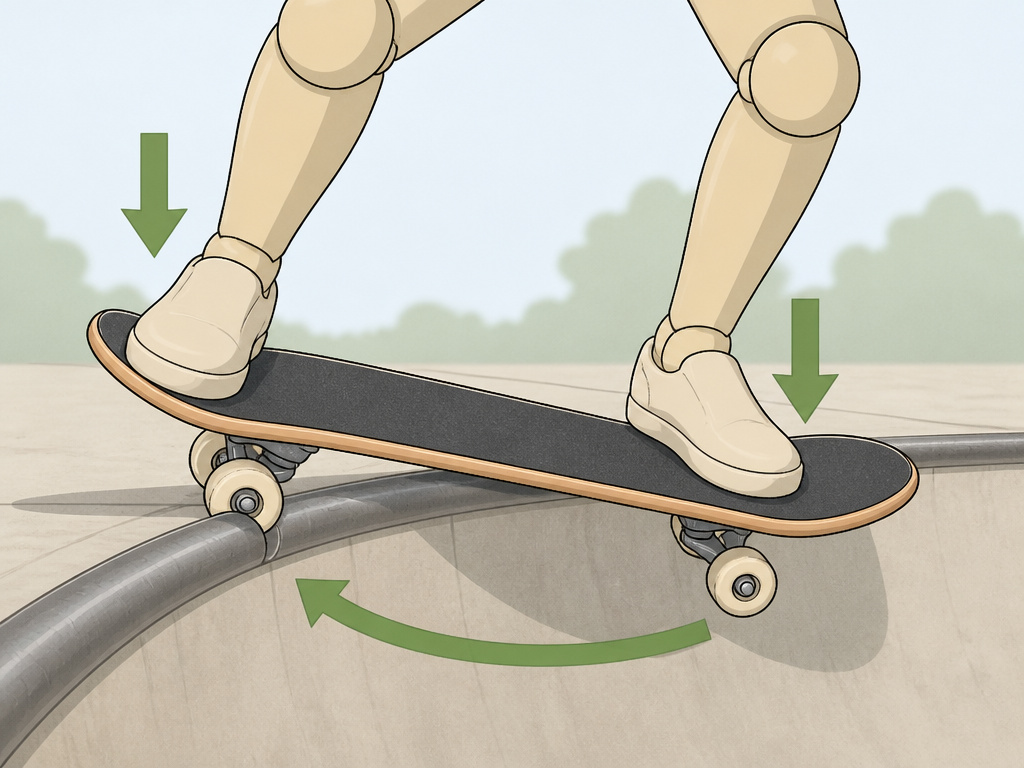
This sequence assumes a standard, mellow quarter pipe. If your local ramp is steep or tight, scale the speed accordingly.
- Roll Up Fakie. Push once or twice to get a comfortable, rolling speed and ride up the transition backward. Keep your eyes on the coping where you plan to stall.
- Set Your Wide Stance. As you hit the transition, widen your feet and center your weight. Your shoulders should be level and parallel to the coping.
- Initiate the Pivot. As your front truck passes the coping, begin turning your shoulders and hips backside (toward the ramp). This starts the rotation that will bring your back truck onto the coping.
- Lift and Place. Apply slight pressure to your tail to lift the front wheels. Pivot on your back truck, aiming to set the hanger directly on top of the coping. Your front foot guides the board’s position.
- Lock the Pinch. The moment your truck makes contact, drive your weight toward your heels. Feel the back wheel pinch against the coping. Hold your shoulders steady to stop the rotation.
- Hold and Balance. Find your equilibrium. The stall is static, you’re not moving. Look down at your truck to confirm the pinch, then look ahead to where you’ll drop back in.
- Exit. To drop back in, lead with your shoulders, rotating them forward (toward the ramp). Let your feet and board follow. It’s a reverse of the pivot-up motion. Lean forward slightly as you roll down the transition.
The One Step Nobody Skips
Step 3, the shoulder-initiated pivot, is the essential one. Your lower body follows your upper body. If you try to pivot only with your feet, your torso will keep spinning, you’ll over-rotate, and you’ll lose the stall. I had a bad habit of whipping my head around to look at the stall, which dragged my shoulders with it. Fixing that meant keeping my gaze fixed on the coping spot until my truck was locked, then looking forward. The difference was immediate.
5-0 Stall vs. Other Basic Stalls
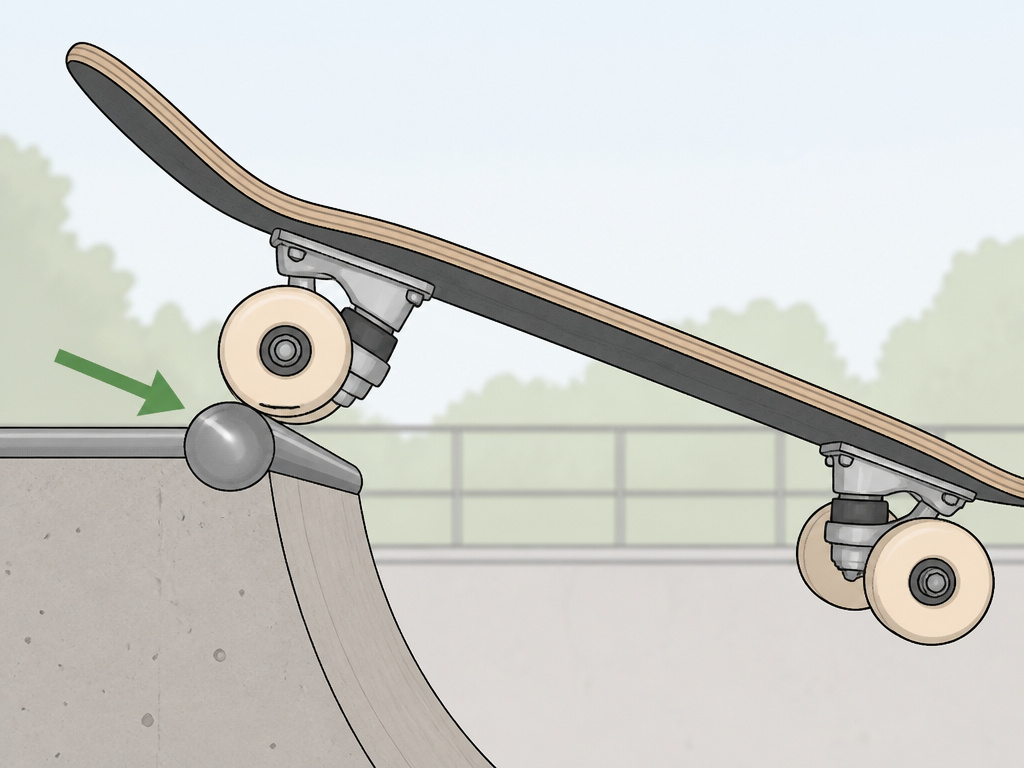
Once you have the 5-0, other stalls become variations on a theme. The core skill, approaching, pivoting, balancing on the coping, is the same. The difference is which part of your board makes contact.
| Stall Type | Contact Point | Key Difference | Best Next Step After 5-0 |
|---|---|---|---|
| 5-0 Stall | Back truck hanger | The pinch on the back wheel. | Axle stall (both trucks on coping) |
| Tail Stall | Tail of the board | Board is perpendicular to coping; no truck contact. | Nose stall |
| Nose Stall | Nose of the board | Balanced on front wheels; requires more forward lean. | Rock to fakie |
| Axle Stall | Both truck hangers | Most stable; both wheels pinch. | 50-50 grind |
The axle stall is the most logical progression. It uses the same approach and pivot, but you aim to get both trucks onto the coping simultaneously. It’s actually more stable than a 5-0 because you have two points of contact. Master the 5-0 first, then the axle stall will feel like a natural, safer step up.
Common Mistakes and How to Fix Them
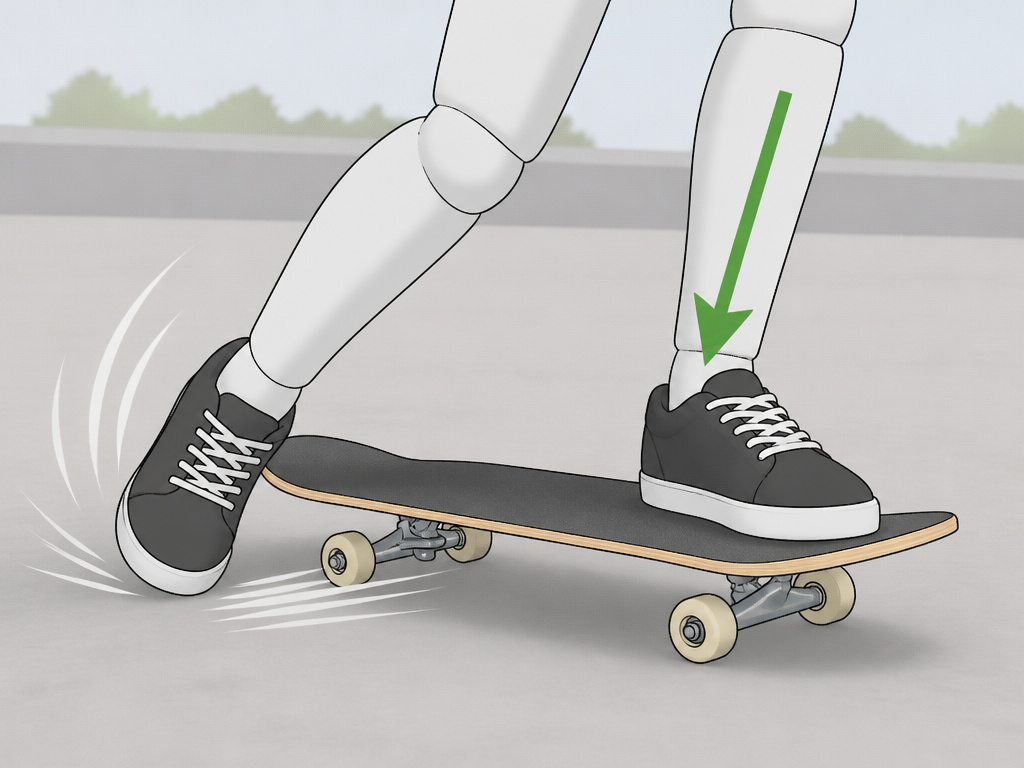
Most errors come from misjudging the relationship between speed, pivot, and pinch. Here’s the diagnostic chart.
| What Happens | Likely Cause | The Fix |
|---|---|---|
| You overshoot the coping. | Too much speed. | Reduce your push. Practice the “tap and roll back” drill. |
| You can’t get the truck onto the coping. | Too little speed or a timid pivot. | Commit to the shoulder rotation. A more assertive pivot helps. |
| You stall but immediately slip off. | Not enough heel-side pinch (leaning back). | Consciously shift weight toward your heels as you lock in. |
| You pivot onto the coping but keep spinning and fall. | Shoulders continue rotating after the truck is placed. | Freeze your upper body the moment you feel contact. Practice the pivot without the stall. |
| The board flips out from under you. | Front foot is too far back, causing an uneven pivot. | Keep your front foot over the front bolts for control. |
Easy to miss: The condition of your pivot cup. A worn, dried-out pivot cup in your back truck can create slop, making the pivot onto the coping feel vague and unpredictable. If your stalls feel inconsistently loose, check that plastic ring before blaming your technique.
Gear and Setup Notes
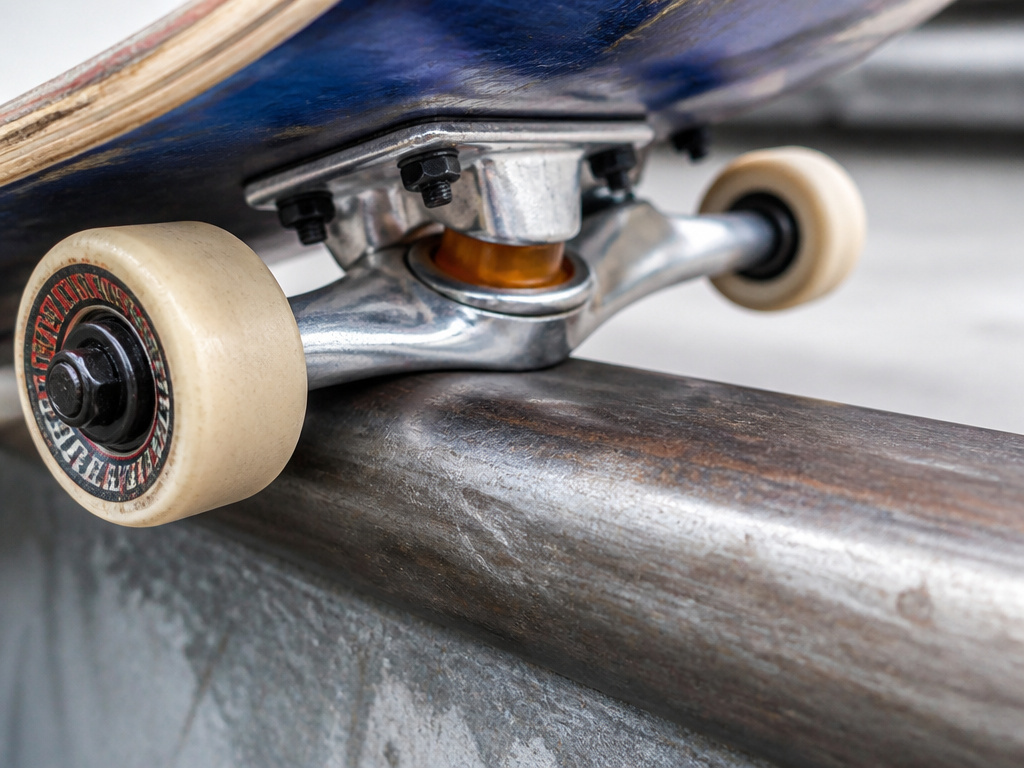
Your setup can make learning easier, but it won’t do the trick for you.
Truck Tightness: Medium-tight is a starting point. You want enough stability to feel secure during the pivot and pinch, but not so tight that the board feels dead and unresponsive. If you’re wobbling excessively, tighten your back kingpin.
Wheel Hardness: Softer wheels can offer a slightly grippier feel against the coping, which some beginners prefer. Harder wheels are more slidey, which is better for grinds but can make the initial pinch feel less secure. Don’t overthink this, use what you have.
Coping Type: Pool coping (steel) is more consistent for pinching than PVC or plastic coping. The rounded edge of steel gives a more predictable surface for your wheel to bite into.
The biggest gear mistake is assuming you need something new. You don’t. A standard park setup works perfectly. I learned on a complete with 99A wheels and standard trucks. The barrier was my commitment to the pivot, not the hardware.
Practicing Safely and Building Confidence
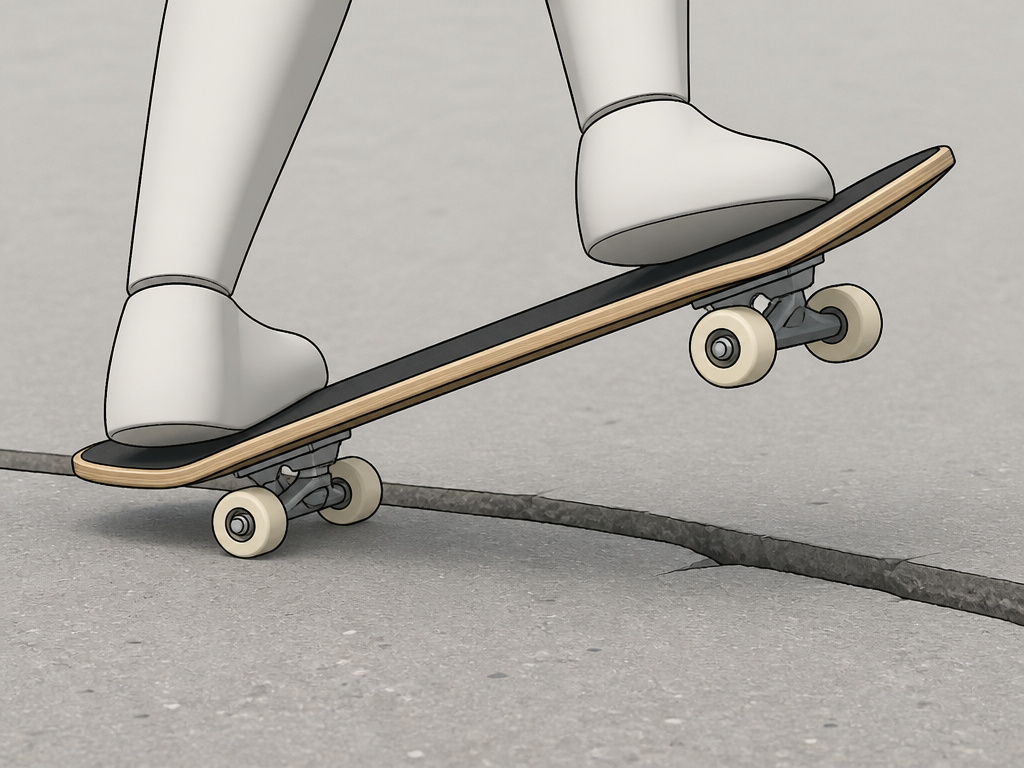
Helmets and pads are a personal choice, but for learning stalls on transition, I strongly recommend them. A fall from the coping onto flat concrete is a guaranteed hard impact. Wrist guards are especially valuable for bailing out of a failed stall.
Start on the smallest quarter pipe you can find. A two-foot tall ramp is ideal. The smaller the transition, the less speed you need and the shorter the fall. I built my first stall on a tiny DIY quarter pipe in a friend’s driveway. The low consequence factor let me try the motion dozens of times in an hour without fear.
The confidence drill: Practice the entire motion without trying to stall. Roll up fakie, pivot your shoulders, lift your front truck, and immediately drop back in. Do this ten times. Then, try to hold the pinch for half a second. Then a full second. Incremental steps build the muscle memory without the pressure of “landing” the trick right away.
Frequently Asked Questions
Is a 5-0 stall the same as a 5-0 grind?
No. A stall is a stationary balance where your truck sits on the coping. A grind involves sliding along the coping or a ledge. The footwork is similar, but the intent and execution are different. Master the stall first, it teaches you the balance point essential for the grind.
Should I learn tail stalls or 5-0 stalls first?
Most skaters find tail stalls slightly easier initially because you’re balancing on the flat tail, not pinching a wheel. However, the 5-0 stall teaches you truck control, which is foundational for almost all other transition tricks. There’s no wrong answer; try both on a small ramp and see which feels more natural to you.
Why do I keep leaning back and falling?
Leaning back is a natural reaction to the fear of falling forward into the ramp. It’s also what breaks the pinch. Force yourself to keep your chest forward and your weight centered over the board. It will feel wrong until it suddenly feels right and you stick the stall.
Can I do a 5-0 stall on a mini ramp?
Absolutely. A mini ramp is often the best place to learn because the transitions are usually consistent and the coping is at a manageable height. The principles are identical.
What’s the next trick after a 5-0 stall?
The direct progression is an axle stall (both trucks), followed by a rock to fakie. Once you’re comfortable with stalls, try a quarter pipe ollie to get back up to the coping from the flat bottom.
The Bottom Line
The 5-0 stall is a rite of passage for a reason. It teaches you balance, truck control, and how to use the architecture of a ramp. The entire trick lives in the three-second window between your pivot and your pinch. If you can commit to that motion on a small ramp, you own it.
Don’t rush to chain stalls together or move to a bigger ramp. Nail it ten times in a row on your practice quarter pipe. That repetition builds the neural pathway that makes the trick automatic. Then, the real fun starts, because once you can stall, you can start to play with the line between balance and motion. That’s where transition skating begins.
