
How Skateboarding Influenced Fashion: A Cultural Timeline
This post contains affiliate links. As an Amazon Associate, we earn from qualifying purchases.
Skateboarding influenced fashion by turning functional gear for a drought-born subculture into a global visual language, where brands like Vans and Supreme started as skate necessities before luxury houses like Louis Vuitton and Gucci adopted their aesthetics for billion-dollar collaborations.
That shift from tool to trendsetter didn’t happen overnight. It tracks a clear line from empty California pools in 1977 to Gucci’s Cruise 2024 skateboard bags, showing how skateboarding influenced fashion. The clothes worked first because they had to, grip, durability, range of motion. Then they became a uniform, then a symbol, and finally a luxury commodity.
What follows is how a sport born from a water shortage dressed the world: the key eras, the brands that built the look, and the moment the runway decided it wanted in.
Key Takeaways
- Skateboarding’s vertical, pool-based style, and the baggy clothes that went with it, was born from a 1977 California drought order that emptied thousands of swimming pools.
- Vans and Vision Street Wear weren’t fashion statements; they were solutions for grip and durability that became the uniform of a subculture.
- Magazines like Thrasher (founded 1981) acted as early social media, broadcasting skate aesthetics globally and turning brand logos into status symbols.
- The 2017 Supreme x Louis Vuitton collaboration marked the point where luxury fashion fully acknowledged skate culture’s commercial power and aesthetic pull.
- Female skaters like Cara-Beth Burnside broke barriers but faced a sexualized media landscape that often valued image over athleticism, shaping a different path for women’s skate fashion.
The 1977 Drought: A Fashion Catalyst
You can draw a straight line from a government water restriction to the baggy jeans and graphic tees in your closet. In 1977, California issued an emergency order to cut domestic water use during a severe drought. The result was countless empty swimming pools across Los Angeles.
Those curved concrete bowls became accidental skate parks. Surfers, looking for a thrill when the waves were flat, started riding them. This wasn’t just a new hobby; it invented professional vertical skateboarding. A 2023 study in PNAS Nexus directly links this environmental event to the creation of a “global subculture and multibillion-dollar industry” that reshaped music, fashion, and lifestyle. The clothes had to change because the sport did. You couldn’t do aerial moves in tight surf shorts. You needed jeans that could take a slide, shoes that stuck to the board, and tops that allowed your arms to windmill for balance. The drought didn’t just create a sport. It dictated its dress code.
Before you start: The functional origin of skatewear is non-negotiable. Every item, from flat-soled shoes to loose pants, was a solution to a physical problem before it was ever a style choice.
From Function to Uniform: Building the Skate Look
The first skate shoes were just shoes. The first skate tees were just tees. Their transformation into cultural badges happened in three stages: necessity, adoption, and codification.
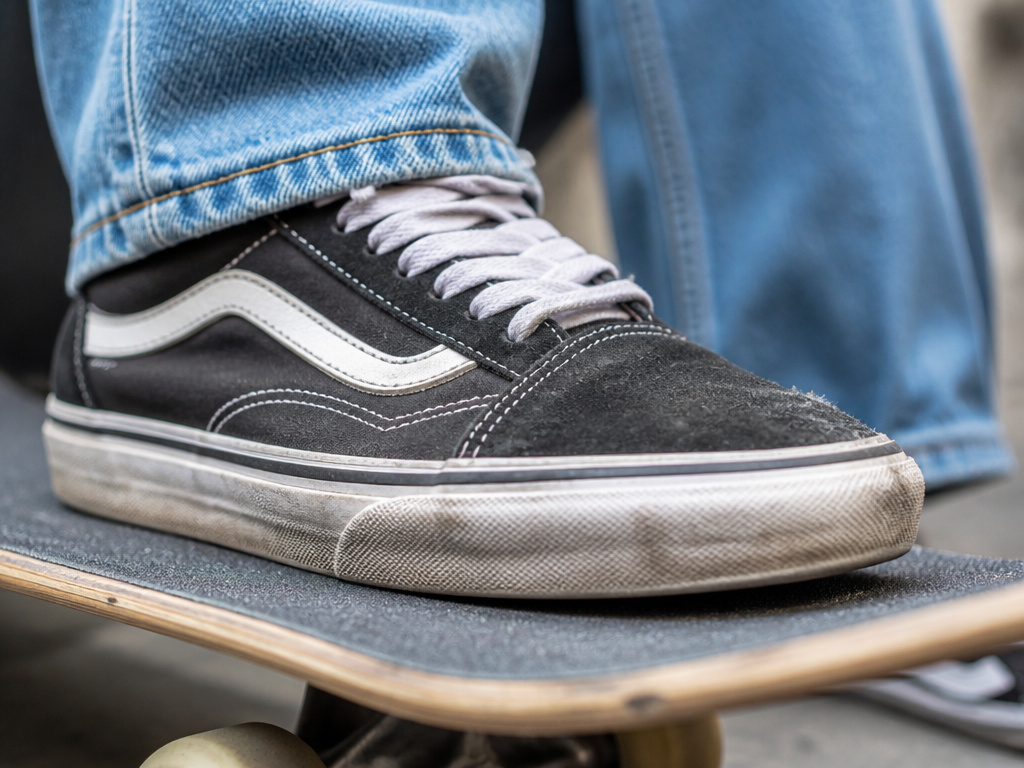
It started with the gear. In the early 1970s, the invention of urethane wheels gave skaters unprecedented control. This technical leap allowed for sharper turns and new tricks, moving skateboarding forward. The clothing followed the performance need. Tube socks protected ankles from grip tape. Loose shorts or jeans allowed for the deep knee bends and quick leg movements of pool and street skating. Flat-soled shoes like Vans, originally designed for boating, gave the perfect board feel.
Then came the Z-boys. This Venice, California crew in the mid-70s didn’t just skate empty pools; they brought a raw, aggressive style. They famously rocked ripped jeans, Vans, and hockey jerseys, or sometimes no shirts at all. This wasn’t a calculated look. It was what worked and what was cool within their insular scene. Their image, captured in early skate magazines, became the blueprint.
Finally, the community codified it. When you saw someone in Vans, a graphic tee, and baggy jeans, you knew they were part of the tribe. This is where skateboarding culture solidified. Clothing became a material declaration of identity legible to anyone who shared the cultural codes. To wear the look was to communicate membership before saying a word. This is the foundation all modern skateboarding fashion builds on.
Media & Messaging: How Skate Aesthetics Went Global
Before Instagram, there were skate videos and magazines. These weren’t just showcases for tricks; they were the primary distribution network for the skate aesthetic. A kid in Ohio or the UK could watch a video and see not just how to kickflip, but what to wear while doing it.
Thrasher magazine, founded in 1981, was the bible. Its iconic logo and gritty, DIY ethos became a gold standard. To wear a Thrasher hoodie was to signal you understood the culture’s core values. The magazine’s very name was a statement. Skate videos served a similar purpose. They presented a complete package: the skating, the music, and the fashion. They showed how the clothes moved and got damaged, which was part of the appeal. Ripped knees and scuffed shoes weren’t failures; they were proof of use.
This media engine created a paradox. It broadcast an anti-mainstream, DIY look to a massive mainstream audience. People who never stepped on a board wanted the cool factor. This tension between insider authenticity and outsider adoption is a core thread in the story of how skateboarding influenced fashion, running straight through to today’s collaborations. When a brand like Palace, formed in 2009, releases a global collab with Gucci in 2022, it’s drawing on an aesthetic that skate media spent decades carefully, and often accidentally, cultivating.
| Era | Key Media | Fashion Impact |
|---|---|---|
| 1970s-80s | Skateboarder Magazine, Early Videos | Codified the “core” skate uniform (Vans, jeans, graphic tees); made regional styles national. |
| 1990s | Thrasher Magazine, VHS Tapes (e.g., “The Blind Video”) | Popularized logo-centric gear (hoodies, caps); aesthetic became more aggressive and punk-influenced. |
| 2000s | Internet Forums, DVD Releases | Accelerated trend cycles; allowed niche brands to gain global followings overnight. |
| 2010s-Present | Instagram, YouTube, TikTok | Demolished gatekeepers; turned individual skaters into style influencers; enabled direct-to-consumer brand growth. |
Luxury’s Embrace: From Subculture to Runway
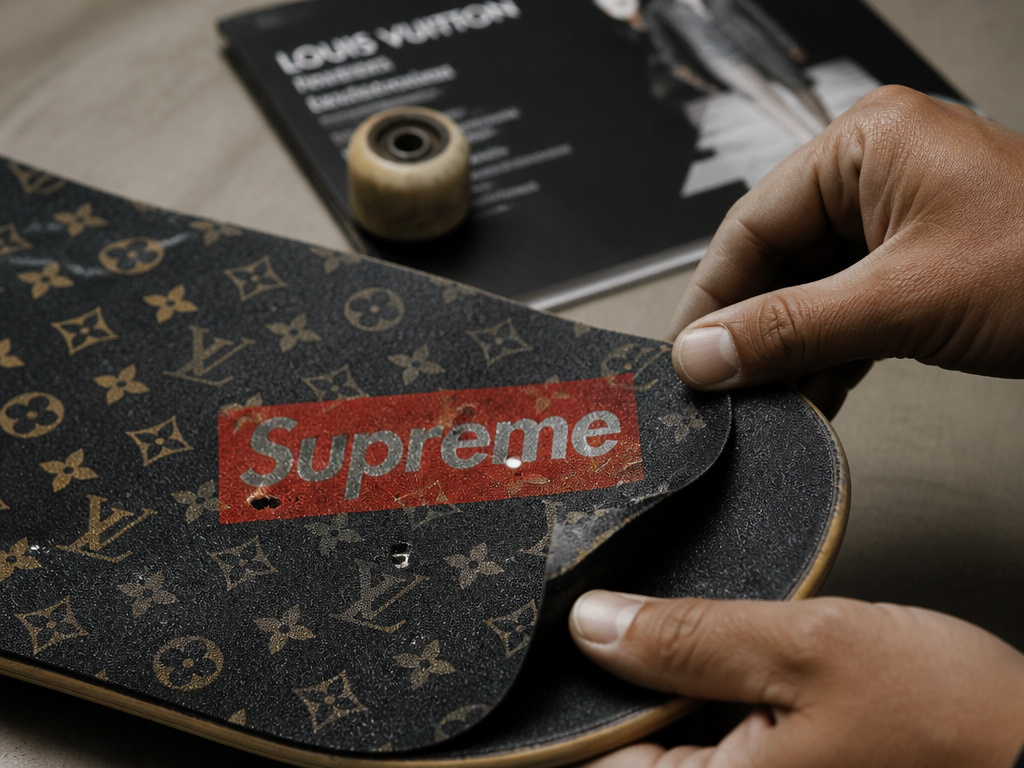
For decades, high fashion and skateboarding looked at each other from opposite sides of the street. One was about aspiration and exclusivity; the other was grounded, democratic, and literally concrete. Then the numbers got too big to ignore.
The turning point is widely seen as the 2017 collaboration between Supreme and Louis Vuitton. This wasn’t a niche collab. It was a seismic event that saw luxury’s most storied house embrace a brand born on New York City skate spots. The late designer Virgil Abloh, a skater himself, was pivotal. At Louis Vuitton, he released a skate shoe modeled by pro Lucien Clarke in 2020. Through his Off-White brand, he created 50 unique colorways of the Nike Dunk Low, a silhouette deeply rooted in skate culture.
Why the shift? Luxury fashion is in the business of selling desire. Skate culture embodies a type of authentic, effortless cool that is notoriously hard to manufacture. Skaters are amazing, smart, and creative, and people want a piece of what they have. The runway is fascinated by the subculture’s foreign yet successful approach to clothing, a key lesson in how skateboarding influenced fashion, where practicality and personal expression trump seasonal trends.
The 2017 Supreme Louis Vuitton collab wasn’t just a clothing drop. It was luxury finance formally recognizing skate culture’s IP as a billion-dollar asset class.
This embrace is now routine. Gucci’s creative director Alessandro Michele teamed up with skaters worldwide for a campaign in 2019. In 2022, Palace did its global collaboration with Gucci. For Cruise 2024, Gucci offered skateboard bags on the runway in Seoul. The cycle is complete: functional gear turned subcultural uniform turned high-fashion commodity.
Gender, Identity, and the Other Side of the Lens
The story of skate fashion often defaults to a male narrative. But for women in skating, the relationship with fashion has been more complex, often filtered through a male gaze.
This created a disjointed reality. Pro skaters like Cara-Beth Burnside were pushing athletic boundaries in the early 1990s, yet her first sponsorship from Vans was for “$50 a month.” Her signature shoe from Vans later that decade was a landmark, just the second shoe ever named after a female athlete in any sport. But the path was different. Female skaters had to navigate an industry where their image was often separated from their athleticism.
The fashion influence here is subtler. It’s not about baggy jeans becoming a trend; it’s about claiming space. This shift towards authentic representation is itself a powerful fashion influence, promoting functionality and personal style over prescribed looks.
The Cycle Continues: Are Skaters Still Setting Trends?
Walk by a skatepark today and you’ll see a mix. Some kids wear the classic uniform, now sometimes labeled “heritage” style. Others wear high-fashion takes on skatewear, or blend hiking gear into their look. This raises a question the skate community debates constantly: are skaters still leading, or are they now following trends set elsewhere?
The answer is both, and that’s always been the case. Skateboarding has a unique digestive system. It absorbs influences from hip-hop, punk, and now broader streetwear, chews them up, and spits out something specific to its own needs. A thick-soled shoe gets adopted not for its fashion pedigree, but because it offers support for impacts. Then, because skaters wear it, it becomes a trend.
The current pulse is less about single, dominant brands and more about a mix-and-match ethos rooted in practicality. The focus is on durable materials, comfortable fits, and shoes that can actually skate. This is a return to the functional roots, even if the specific items look different. The cycle is self-perpetuating: skate culture creates a functional aesthetic, the mainstream adopts it as a style, skaters move on to something else that works better, and the world eventually follows.
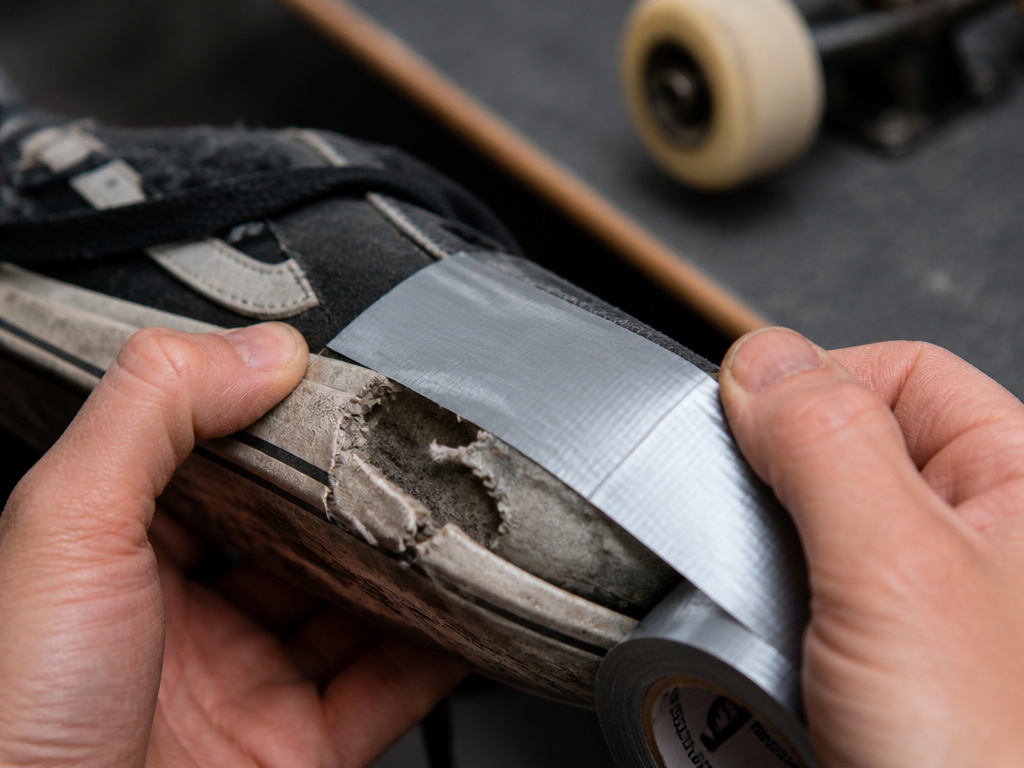
The bottom line: Skateboarding’s influence on fashion is a story of authenticity commodified. It starts with a real need, grip, durability, freedom of movement. That need creates a look. The look becomes a symbol of a subculture. The subculture’s cool factor gets broadcast globally. Finally, the commercial world pays a premium to bottle that cool factor. The cycle is already repeating with the next wave of skaters, who are right now in a garage somewhere, duct-taping their shoes and unknowingly starting the next trend. To learn more about building a look that’s truly your own, check out our guide on developing your personal skate style.
What skate brands started it all?
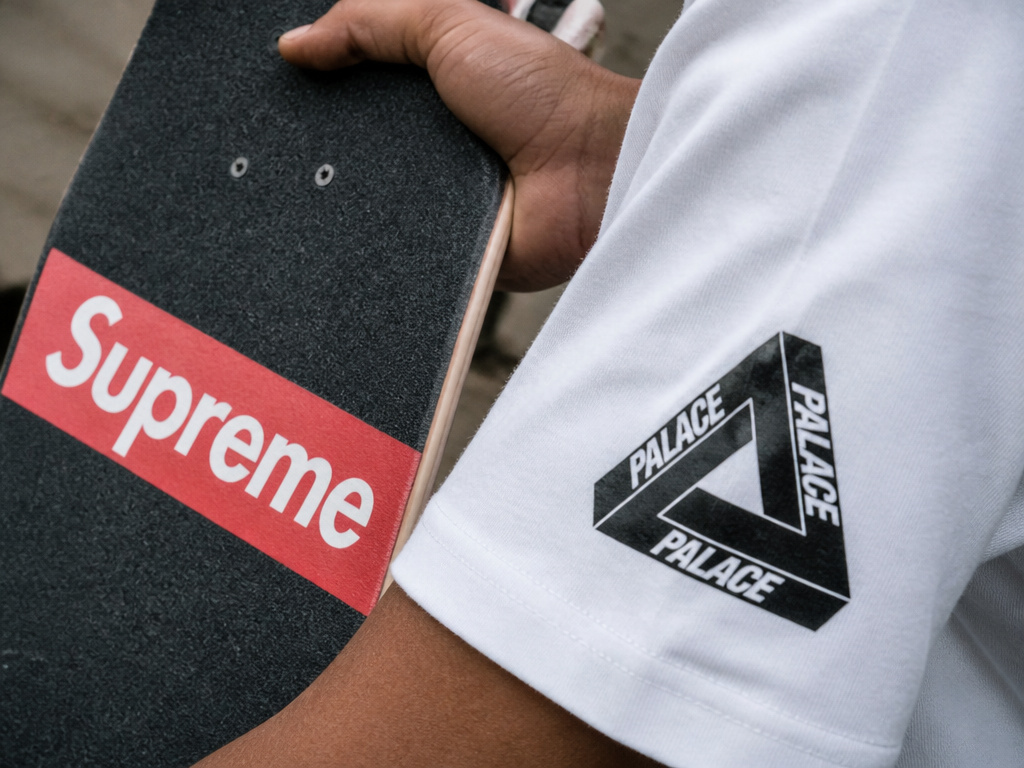
Skate culture didn’t just adopt fashion; it built its own. The first company to provide clothing directly for skaters was Vision Street Wear, setting a template for others to follow. Brands like Supreme, which later collaborated with Louis Vuitton, and Palace Skateboards, formed in 2009 and later collaborating with Gucci, grew from tight-knit skate crews into global labels. These brands proved that the authenticity of the skate park could define mainstream style. Their logos became badges of a specific attitude, moving from the grip tape of a board to the chest of a t-shirt, signaling a connection to the culture’s roots.
How did skate shoes become fashion icons?
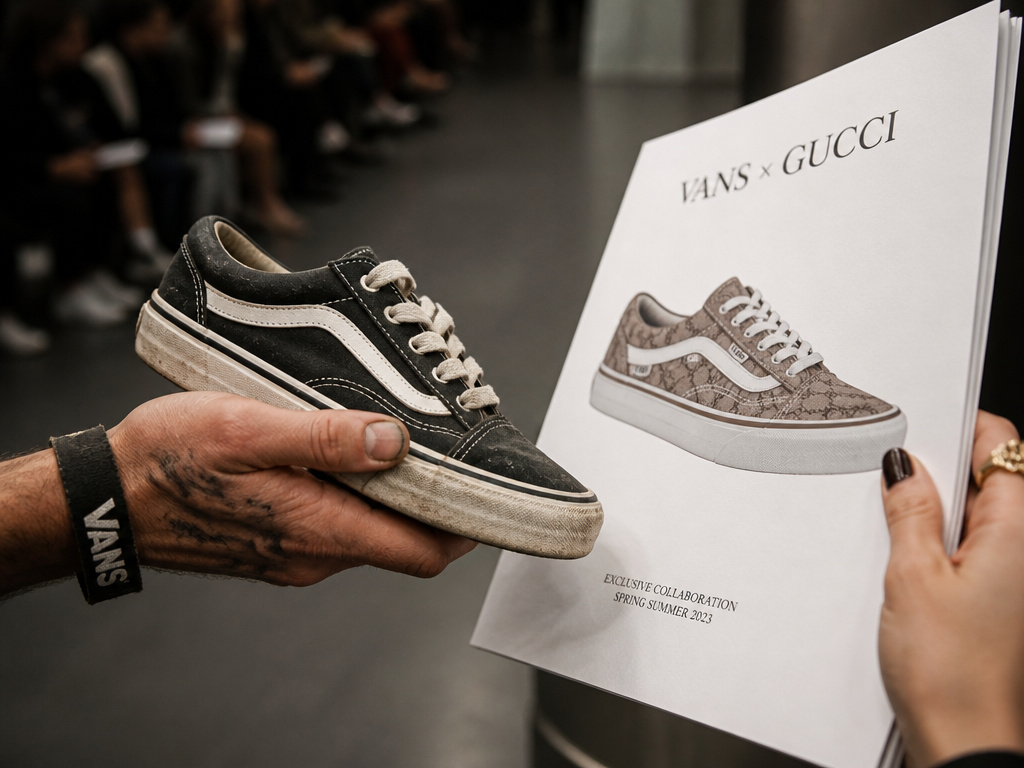
Skate footwear evolved from pure utility to high-fashion collaboration. Early on, brands like Vans provided the essential grip and durability skaters needed, even sponsoring athletes for modest sums. The functionality of these shoes made them staples. Their cultural cachet eventually caught the eye of luxury houses. In 2020, Virgil Abloh released a Louis Vuitton skate shoe modeled by a professional skater, and designers have consistently reworked classic sneaker silhouettes into limited editions. This journey from the pool coping to the runway shows how skate footwear’s authentic purpose granted it lasting influence, transforming practical gear into coveted style objects.
Frequently Asked Questions
What was the first skate brand to influence fashion?
Vision Street Wear is widely cited as the first company to make clothing directly for skaters, moving beyond borrowed surfwear. Its graphics and logos in the late 70s and 80s established a distinct skate aesthetic that was later absorbed into streetwear.
Why are baggy clothes associated with skateboarding?
Loose pants and shirts provided the range of motion needed for technical tricks and the durability to withstand repeated falls and slides on concrete. Function came first; the style became iconic because of its practicality.
How did the 1977 drought change skate fashion?
The 1977 California drought order emptied swimming pools, creating the birthplace of vertical pool skating. This new, aggressive style required more durable, protective clothing, like heavier jeans and reinforced shoes, directly shaping the “baggy” and rugged aesthetic.
Is skateboarding considered a fashion trendsetter today?
Skateboarding remains a key reference point, but the influence is now cyclical. Skaters innovate for function (e.g., adopting hiking shoes for support), the fashion industry adopts those innovations as style, and then skaters often move on to the next functional solution.
