
Skateboarding Outfit Style Guide: The Functional Edge
This post contains affiliate links. As an Amazon Associate, we earn from qualifying purchases.
A skateboarding outfit balances unrestricted movement with durable materials that can handle pavement. The style evolved from functional necessity, baggy clothes for trick clearance, tough fabrics for slides, and today blends skate heritage with modern streetwear. For actual skating, prioritize a roomy yet secure fit, flat-soled shoes, and layers you can move in.
That functional origin is the single biggest thing most style guides miss. The baggy pants and oversized shirts weren’t just a 90s trend; they were a direct response to the physics of crouching, kicking, and landing. A shirt that rides up during an ollie isn’t just annoying, it’s a distraction that can throw your balance. This is the core principle of any skateboarding outfit style guide.
What follows is a breakdown of how skate style works in a skateboarding outfit style guide, from the essential shoes to the seasonal layers. This guide explains why certain fits dominate, how to spot quality materials, and where to spend or save your budget without looking like you’re trying too hard.
Key Takeaways
- Choose pants and shirts with a roomy yet secure fit, tight clothing restricts the knee bend and shoulder rotation needed for most tricks.
- Prioritize flat, vulcanized sole shoes from brands like Vans or Nike SB for board feel; cupsole shoes trade grip for a chunkier, less sensitive profile.
- Look for reinforced workwear fabrics over thin fashion denim; they last months, not weeks.
- For sanctioned high-speed downhill racing, World Skate rules mandate certified full-face helmets and leather/Kevlar suits, while general recreational guidelines do not specify full-face design.
- Your first outfit should be plain, durable, and flexible; save the bold branded pieces for after you’re comfortable moving in the basics.
The Core Principles: Fit, Fabric, and Function
The 1993 Los Angeles Times article captured the functional driver: “Skateboarders started to adopt this new baggy style of dress in the late 1980s when street skating displaced ramp skating… The clothes are heavy because when you slam, they take a lot of wear. They’re loose so they don’t restrict your movement.”
The best skate clothes solve a simple problem: how do you crouch, jump, and roll without the fabric fighting you? The answer lives in three words.
Fit is about clearance, not just comfort. A roomy thigh allows you to drop into a deep squat for a powerslide. A slightly oversized jacket sleeve won’t bind when you throw your arms for balance. But “baggy” doesn’t mean swimming in it, the waistband should stay put, and the shoulders shouldn’t slip. Nike’s guide calls it a “roomy yet secure fit,” which is the sweet spot.
Fabric is about abrasion resistance. Cotton jersey feels great, but it pills and tears on the first concrete kiss. That’s why the skate clothing materials that last mix in polyester or nylon for stretch and durability. Denim is a classic, but not all denim is equal. Lightweight denim from a fast-fashion store shreds. Heavier-weight, durable denim takes months to break in but survives a season of kneeslides.
Function is the why behind every item. Pockets sit flat or have secure closures so your phone doesn’t eject on impact. Seams are double-stitched at stress points like the crotch and knees. It’s not a mystery, it’s clothing engineered for a specific, destructive activity.
Shoes: The Non-Negotiable Foundation
Your shoes are the only part of your outfit that touches the board. Everything else is secondary.
Skate shoes come in two sole constructions: vulcanized and cupsole. Vulcanized soles (like on classic Vans) are thinner and glued directly to the upper. They offer better board feel, you sense the wood texture and the flex of the deck. Cupsoles (like on many Adidas models) have a thicker, injected midsole sandwiched between the outsole and upper. They add cushion and support but mute that direct feedback.
For learning, board feel wins. You need to know where your feet are without looking down. That’s why a flat vulcanized sole is the default recommendation. The Nike SB Force 58 uses a tri-star pattern on its vulcanized sole that expands and contracts for grip, a good example of tweaking the classic formula.
Ankle height is a comfort call. Lows are lighter and offer less restriction. Mids and highs can help stabilize the ankle on hard landings, but they break in slower. I stuck with lows for my first two years because I was paranoid about anything feeling stiff. That was the right call, focus on the basics before the braces.
The market is full of options, but a few brands define the categories. Brands like Vans own the vulcanized heritage space. Brands like Nike SB and New Balance Numeric blend modern tech with cupsole or vulcanized designs. Adidas Skateboarding often sits in the middle. Don’t overthink it: pick a reputable skate shoe from a core brand in your budget, and replace them when the sole wears smooth.
| Shoe Model | Sole Type | Best For | Risk If You Choose Wrong |
|---|---|---|---|
| Vans Old Skool | Vulcanized | Board feel, flick tricks | Thin sole wears fast on rough pavement |
| Nike SB Zoom Nyjah | Cupsole | Impact protection, support | Muted board feel makes flip tricks harder to sense |
| Adidas Gazelle ADV | Hybrid | Versatility, street style | May not excel in either pure feel or pure cushion |
Tops and Layers: Mobility First
A skate top has one job: stay out of the way. It shouldn’t ride up when you raise your arms, billow in the wind like a sail, or restrict your shoulder rotation.
The historical standard was an oversized tee or flannel, often worn inside-out once the graphic faded. Today, the principle is the same, room to move, but the execution is cleaner. Nike SB’s skate flannels have button-down fronts and cuffs so you can adjust the fit, and chest pockets to stash a phone securely. That’s function dressed as style.
A skate jacket needs to be slightly oversized. If it’s snug across the shoulders when you’re standing, it will pull and bind when you’re crouched in a skating stance. The Nike SB Varsity Skate Jacket gets this right with snug cuffs and a ribbed collar to seal in warmth, but plenty of room in the torso and arms.
Layering is your friend. A moisture-wicking base layer under a breathable hoodie allows you to adjust from a warm-up push to a full-session sweat without stopping. Avoid heavy cotton hoodies that soak through and stay wet, they get cold fast when the wind hits.
Here’s where personal style actually matters. Once the functional boxes are checked (non-restrictive, secure pockets, durable fabric), the graphic, color, and brand are pure expression. This is where you can tap into the fashion influence of skating. A bold Thrasher logo or a subtle Independent truck graphic sends a signal. Just know that the signal is received differently at the local park versus a fashion blog.
Bottoms: The Battle Between Durability and Mobility
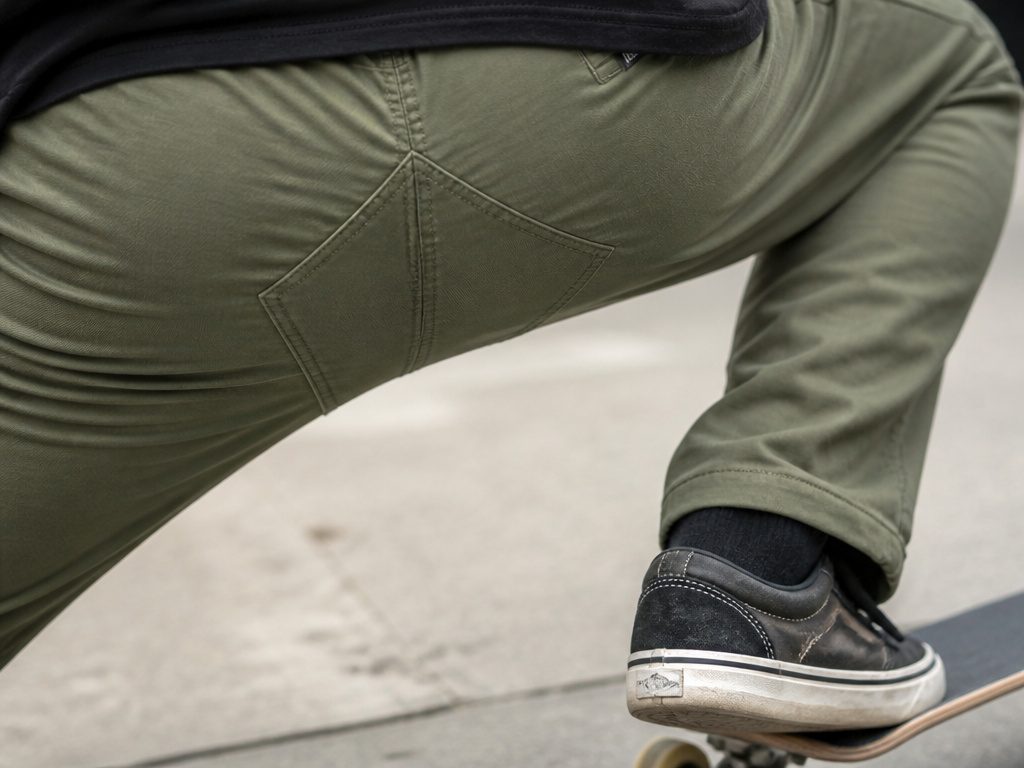
Your pants take the most direct abuse. They need to stretch at the knee, resist abrasion at the hip and calf, and not bind anywhere.
The eternal debate: shorts or pants? It comes down to protection versus airflow. Skate shorts are great for hot days and offer maximum leg mobility, but they leave your knees exposed to concrete. Pants, especially the right ones, protect your skin and can be more versatile across seasons. For beginners, I’d start with pants, the extra layer saves a lot of road rash while you’re learning to fall.
The magic word for skate pants is “gusseted crotch.” That’s a diamond-shaped piece of fabric sewn into the crotch seam. It eliminates the pull and strain when you drop into a deep squat or spread your legs for a board catch. Most jeans don’t have this; many dedicated skate pants do. Nike SB’s Skate Chino Pants are stretchy but durable, an example of the category.
Denim is a cultural staple, but not all denim is skate denim. Fashion jeans with thin, stretchy denim will blow out at the knee after one hard slam. You want a heavier weight (12-14 ounce) with a sturdy cotton blend. Brands like Dickies (the 874 work pant is iconic) and Carhartt WIP are underrated heroes here. They’re built for labor, which translates perfectly to skating.
Common mistake: Wearing skinny jeans for skating. The lack of knee room actually changes your posture, forcing you to stand more upright and making it harder to get low for stability. The fabric often rips at the seam on the first attempt at a knee slide.
Fit is critical. They should be loose in the thigh and knee but taper slightly so the cuff doesn’t catch on the grip tape or wheel. The waist should sit comfortably without a belt digging in when you crouch. Remember that 1993 quote: a skater with a 26-inch waist wearing size 36 pants. The extreme bagginess was about absolute freedom, but a modern, tailored baggy fit (roomy but not swallowing you) is more practical.
Safety Gear: The Style Divide
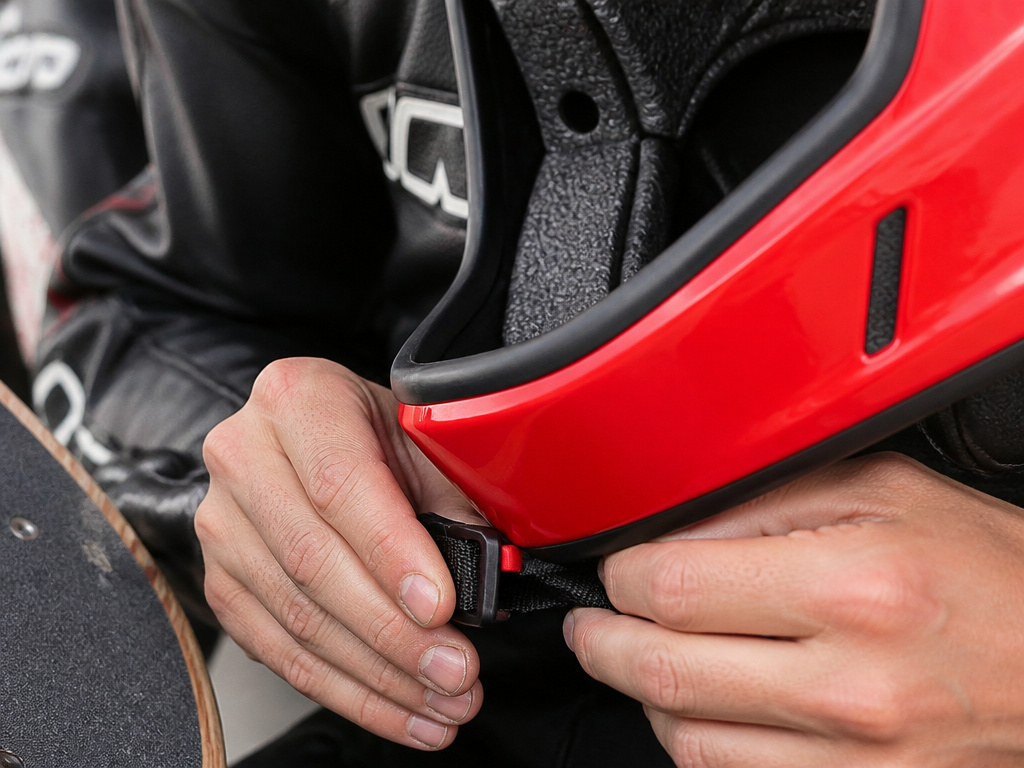
For street and park skating, safety gear is often an afterthought in a skateboarding outfit style guide. For downhill racing, it’s the entire outfit.
The World Skate rulebook for downhill is uncompromising. Helmets must be certified by ASTM, CE, CPSC, or SNELL, or use EPS foam as the primary impact material. Full-face helmets are strongly recommended, and models with detachable chin guards are forbidden. The suit itself must be a one- or two-piece made of leather and/or Kevlar. Footwear must be closed-toe, in good condition, and secured. This isn’t a style choice; it’s a mandatory safety standard for sanctioned high-speed events.
For the rest of us, the guidelines are looser but no less important. The CPSC and CDC recommend a properly fitted helmet certified for skateboarding. Wrist guards, knee pads, and elbow pads are wise, especially when learning. The style conflict is real, pads look bulky and can feel restrictive. The compromise is to wear them during dedicated practice sessions and ditch them for casual cruising once your skills are solid. No style points are worth a concussion.
Building Your First Outfit (Budget to Premium)

You don’t need a head-to-toe branded kit to start. A simple, durable outfit helps you focus on skating, not on keeping your clothes pristine.
Budget-Friendly Starter Kit (Under $150)
- Shoes: Lakai Cambridge ($68.95) or a sale model from Vans or Adidas
- Bottoms: Durable work pants
- Top: A plain, heavy-weight cotton tee or a thrifted flannel
- Socks: Any cushioned athletic sock you already own
- Extras: A basic beanie for cooler days
This kit prioritizes durability and function. The Dickies will outlast any fast-fashion pant, and the Lakai shoe is a proven skate performer. There’s zero flash, which is fine, flash comes later.
Mid-Tier Upgrade (The Reliable Daily)
- Shoes: Nike SB Zoom Blazer Low Pro GT ($89.95) or New Balance Numeric 480 ($104.95)
- Bottoms: Durable skate pants
- Top: A fleece-lined hoodie or a branded tee from a core skate company
- Layers: A versatile skate jacket and proper skate socks (~$30-$50)
Here you’re paying for technical fabrics (stretch, moisture-wicking) and brand heritage. The shoes might have better impact foam or more durable suede. The pants will have that gusseted crotch. It’s the workhorse outfit for someone skating multiple times a week.
The Premium Look (Function Meets High Fashion)
- Shoes: Limited-edition collabs (e.g., Nike SB x Air Jordan, Vans Vault)
- Bottoms: Designer denim adapted for skating (e.g., engineered garments with reinforced panels)
- Top: High-end technical jackets from brands like Arc’teryx or Patagonia adapted for streetwear
- Philosophy: This tier is about merging the highest quality outdoor/technical materials with skate aesthetics. It’s for the skater who views their outfit as both a tool and a curated art project.
The most important thing isn’t the price tag. It’s that each piece works for the skating you actually do. A tech-waterproof jacket is overkill for indoor park sessions but perfect for unpredictable street spots. Let your local conditions and skating style dictate the list.
Historical evolution of skate style

The look shifted radically with the skating itself. In the late 1980s, street skating took over from ramp skating, and the baggy style came with it. Ramp skaters were known for pads, helmets, and lightweight fabrics for speed. Street skaters adopted heavier-weight variations of typical suburban streetwear, with clothes loose so they didn’t restrict movement. This practical, baggy uniform defined the early 1990s street scene, built for durability and a full range of motion on concrete.
Seasonal outfit ideas

Skate style adapts to the weather without sacrificing function. The core principle is clothes that are comfortable, breathable, and provide a wide range of motion. For cooler months, a slightly oversized jacket allows your chest, shoulders, and hips to move freely. Look for features like snug-fitting cuffs and a thick, ribbed collar to hold in heat. Your base layers, like skate tops, should still feel roomy and cozy without getting in the way. Pants should be non-constricting and slightly stretchy, balancing warmth with the flexibility you need to skate.
1990s skater outfit specifics
The early ’90s street skater uniform was defined by a specific, baggy attitude. Experienced skaters opted for solid-colored, baggy pants and shorts paired with oversized shirts. Bold graphic elements, like logos, were in, while multicolored prints were out. Footwear meant Airwalk or Vans low-top sneakers, chosen because they were light on your feet. Headwear included backward baseball caps, Kangol fur caps, or snowboarders’ knit beanies. The clothes were loose for unrestricted movement, and skaters expected them to get shredded, considering themselves lucky if items lasted a month.
Frequently Asked Questions
What is the most important piece of a skateboarding outfit?
The shoes. They are your direct connection to the board. Everything else can be slightly wrong, but wrong shoes will hinder your progress, your board feel, and your confidence. Invest in a pair from a core skate brand first.
Why are skate clothes always baggy?
The baggy fit originated for function, not fashion. Loose pants and shirts allow for the full range of motion needed for tricks, deep knee bends, arm swings, and quick foot movements. A tight waistband or shoulder seam can literally throw off your balance during a trick. The style solidified in the late 80s and 90s and became a cultural signature.
Can I wear skate shoes just for fashion?
Absolutely. Many people do. The flat soles and durable suede construction make them comfortable, versatile casual shoes. Just know that if you actually start skating in them, they will wear out much faster than fashion sneakers. The grippy rubber soles and reinforced ollie pads are there for a reason.
How do I avoid looking like a “poser”?
Focus on function and fit over logos. A kid in perfectly crisp, oversized branded head-to-toe gear who can’t push comfortably looks more like a poser than someone in worn-in Dickies and generic sneakers who rides with confidence. Authenticity in skating comes from participating, not just wearing the uniform. Develop your personal skate style through skating, not just shopping.
Are there differences in skate style for women?
The core principles of fit, fabric, and function are identical. The differences come in sizing, cut, and often availability. Women-specific cuts from brands like Vans or Nike SB may offer a better fit through the hips and waist. The key is to seek out the same durable materials and roomy-yet-secure fit, don’t settle for thin, restrictive “fashion” versions of skatewear. Many women skaters successfully shop the men’s or unisex sections for better durability.
How long should skate clothes last?
It depends on how often you skate and how hard you fall. The Los Angeles Times skateboard fashion article from 1993 noted skaters were lucky if items lasted a month. Shoes might last several months before the sole is too smooth or the toe is blown out. It’s a high-wear activity, buy accordingly.
The Bottom Line
Skate style is one of the few fashion genres born entirely from utility. Every baggy seam, every reinforced panel, every flat rubber sole exists because it makes skating work better.
Begin with the uniform that allows you to move: durable pants with room in the knee, a top that doesn’t bind, and the right shoes for your feet. Let those items get scuffed and faded. The stains and tears are your credentials. After that, the logos, the colors, the layers, that’s all your own signature on a functional canvas.
One rule most guides skip: if you’re buying clothes you’re afraid to wreck, you’ve bought the wrong clothes. Go push down the block once today in something you don’t mind sliding in.
