
Full Face vs Open Face Skateboard Helmet: Which Is Safer?
This post contains affiliate links. As an Amazon Associate, we earn from qualifying purchases.
A full face skateboard helmet covers the entire head, including the jaw and chin, while an open face helmet leaves the face exposed, protecting only the top, back, and sides of the skull. The TSG Pass 2.0 full-face helmet is certified for downhill skateboarding and weighs 1060-1130g, while the Predator FR7-X open-face helmet weighs 470g and is designed for park and performance downhill. For most riders, the choice comes down to speed: full face for high-speed or high-risk downhill, open face for lower-speed disciplines.
That weight difference is not just a number on a spec sheet. You feel it the moment you put the helmet on and turn your head. The full-face model moves as one solid unit, and the open-face one feels almost like a hat. This is the core difference in the full face vs open face skateboard helmet experience. That physical reality changes how you skate.
What follows is a breakdown of the specs that matter, the safety standards that back them, and a clear guide to match your riding style with the right type of helmet. We will explain the certifications, the maintenance schedules, and the one replacement rule nobody mentions until it is too late.
Key Takeaways
- Match the helmet to your speed and discipline. Use a full-face helmet for downhill where facial impacts are likely; an open-face is sufficient for park, street, or cruising under 25 mph.
- Verify the ASTM F1492 or EN 1078 certification on the label inside the helmet, these are the dedicated standards for skateboarding impact protection.
- Follow the CDC’s advice for a snug fit with no more than two fingers between the chin strap and your chin. The CDC advises a snug fit with no more than two fingers between the chin strap and your chin.
- Helmets have a finite lifespan. Follow the 2 2 2 rule: replace after any major impact, after 3-5 years of normal use, or at the absolute latest 8 years from manufacture.
- The TSG Pass 2.0 represents the full-face benchmark; the Predator FR7-X is a leading open-face option. Your head shape and preferred weight will decide between them.
Protection Level: What Each Style Actually Covers
A full-face helmet is a single-piece shell that encases your entire head, from the crown down to the jawline. An open-face helmet, often called a “brain bucket” or classic skate helmet, stops above the ears and leaves your entire face exposed. The difference in coverage dictates the difference in risk.
The TSG Pass 2.0 manual states it is intended for downhill skateboarding only, designed for “impact caused by falling or ejected objects and collision of parts of the body with an obstacle.” This is the manufacturer’s way of saying it is built for high-speed, forward-facing spills where you might slide chin-first. In contrast, the Predator FR7-X is marketed as the “ultimate lightweight open-face helmet for the performance downhill skateboarder, park skater.” Its design assumes a different fall pattern, one where you are more likely to tuck and roll, impacting the top or back of the head.
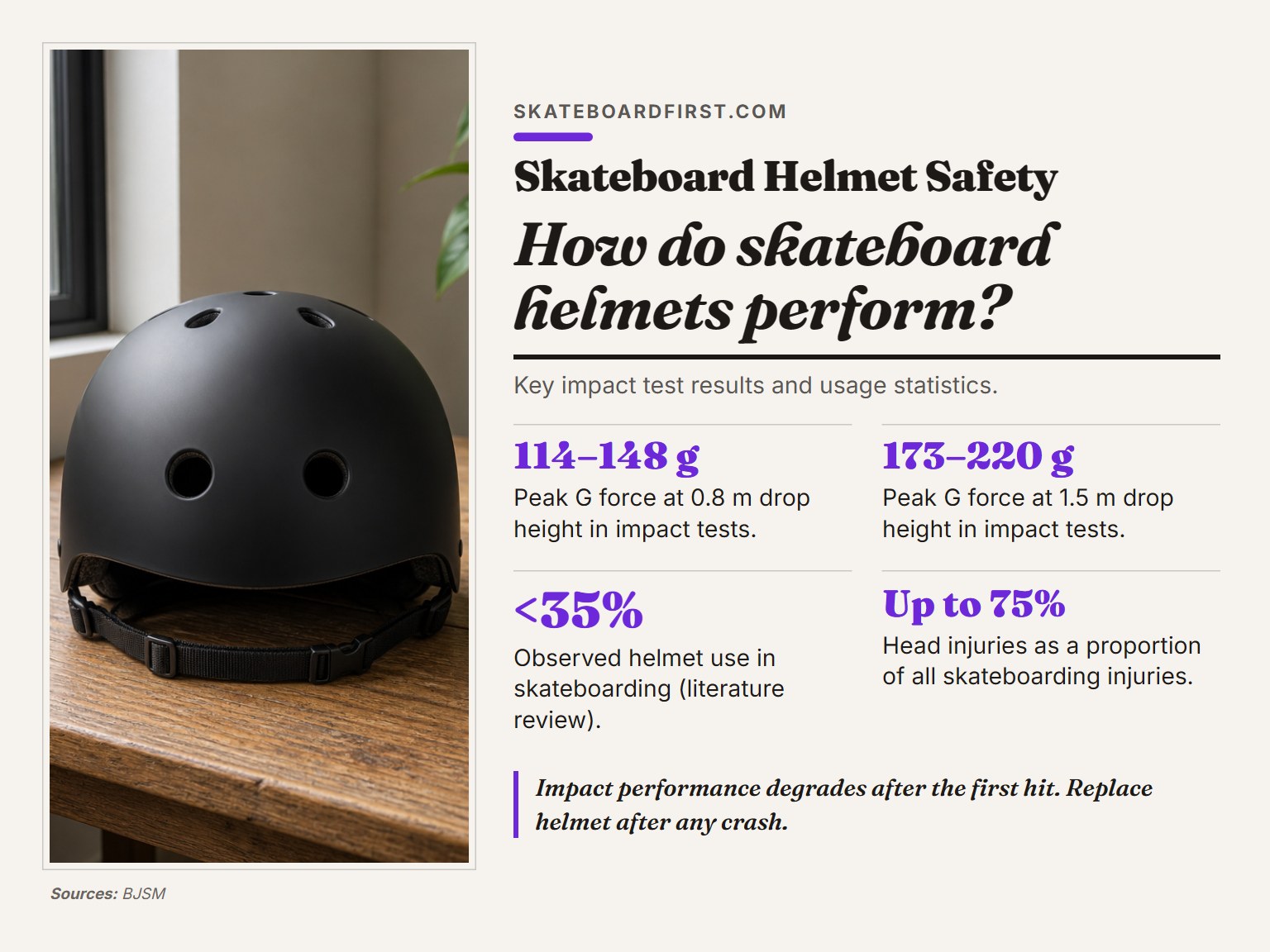
A 2020 review in the British Journal of Sports Medicine found head injuries comprised up to 75% of all injuries in skateboarding, yet helmet use was less than 35%. The same study tested helmets suitable for skateboarding and recorded peak G forces between 114–148 g at a 0.8 meter drop height.
Those numbers are the laboratory baseline. In the real world, the extra chin bar on a full-face helmet is your last defense against a broken jaw, lost teeth, or severe facial abrasion. An open-face helmet cannot offer that. It is a trade-off: total cranial protection with facial coverage versus maximum ventilation and minimal weight without it.
The Certification Confusion You Need to Untangle
Not all certifications are equal, and this is where many buyers get lost. You will see several labels, and they do not all mean the same thing for skateboarding.
- ASTM F1492 is the dedicated standard for helmets used in skateboarding and trick roller skating. It is the one to look for.
- EN 1078 is the European equivalent, also specifically for cyclists and users of skateboards and roller skates.
- CPSC 16 CFR 1203 is the U.S. Consumer Product Safety Commission standard for bicycle helmets. Many skate helmets are dual-certified to this as well, but it is not skate-specific.
- NOCSAE is sometimes mentioned; the CDC advises looking for it, while ASTM F1492 and EN 1078 are the primary standards cited by OEMs like TSG and Predator.
The TSG Pass 2.0 complies with EN 1078+A1:02.2013, ASTM F1952, and CPSC 16 CFR 1203. The Predator FR7-X is certified to CE EN1078 and CPSC bicycle standard. The important takeaway is to look for ASTM F1492 or EN 1078 on the label. If you are choosing a helmet for pure skateboarding, those are the target certifications. Our guide on choosing a skateboard helmet offers more advice. Our guide on helmet certifications breaks down the differences in more detail.
Weight, Vision, and Comfort: The Wearability Trade-Off
The spec sheet tells you the TSG Pass 2.0 weighs 1060-1130 grams. The Predator FR7-X weighs 470 grams in size M/L. On your head, that translates to about half a pound versus over two pounds. That matters more than you might think over a long session.
A heavier helmet can affect balance and neck strain, especially for younger or less experienced skaters. The Skate Now guide notes that full-face helmets “may not be ideal for young or inexperienced skaters because the weight can make them more top-heavy, which can affect balance and stability.” It is a valid point. The weight also changes how you move. The reduced peripheral vision of a full-face helmet may require more head and body movement to check surroundings.
Vision is the other half. A full-face visor offers a wide forward view but can create blind spots in the peripheral lower vision. The Predator FR7-X has a visor, but the fact sheet does not provide specific details about its length or performance. You have unobstructed side vision, which is crucial in a busy skatepark.
Comfort is about airflow and fit. Full-face helmets, by design, trap heat. Full-face helmets, by design, generally have less ventilation and can trap more heat and moisture than open-face models. Open-face helmets are all about ventilation. The Predator FR7-X is designed for ventilation, but the fact sheet does not specify the number or configuration of its vents.
| Feature | Full-Face (e.g., TSG Pass 2.0) | Open-Face (e.g., Predator FR7-X) |
|---|---|---|
| Primary Protection | Skull, jaw, face | Skull only |
| Best For | Downhill, high-speed e-skate, street luge | Park, street, vert, cruising, performance downhill |
| Weight | 1060-1130 g (Heavy) | 470 g (Light) |
| Peripheral Vision | Reduced, especially lower side | Unobstructed |
| Ventilation | Limited, can fog | Excellent, multiple channels |
| Communication | Muffled, difficult | Easy, unimpeded |
| Typical Certifications | EN 1078, ASTM F1952, CPSC | EN 1078, CPSC |
Matching the Helmet to Your Riding Style
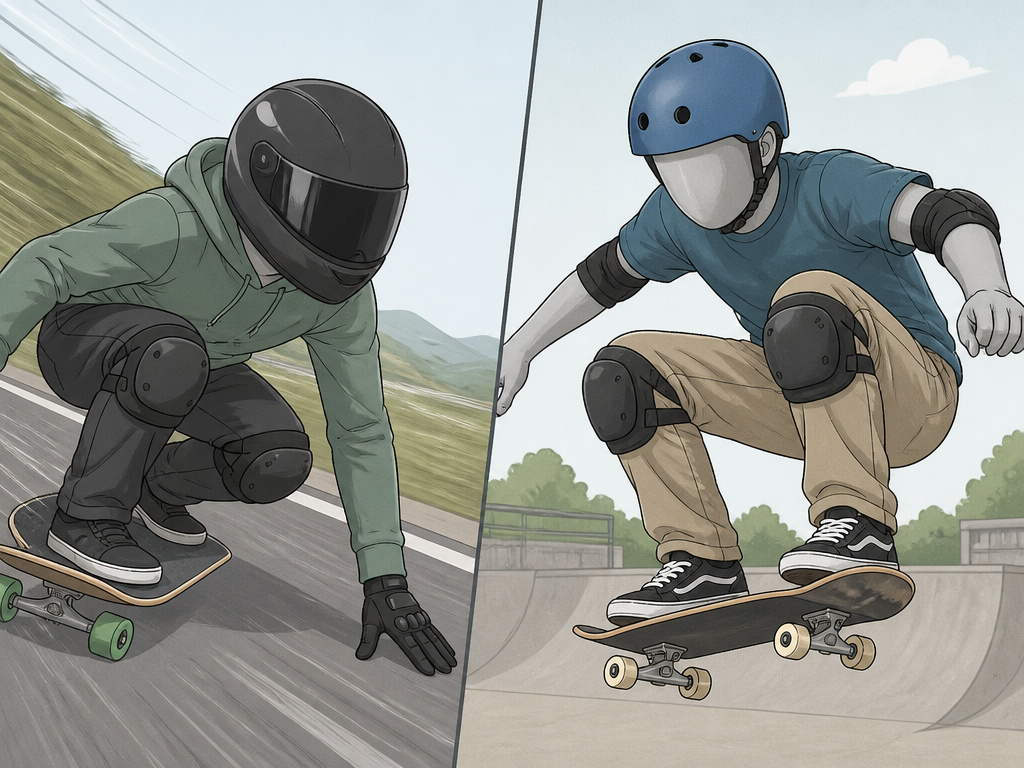
Your skateboarding discipline is the single biggest factor in the full face vs open face skateboard helmet choice. The helmet is a tool, and you need the right one for the job.
Choose a full-face helmet if:
- You ride downhill at speeds where a fall could mean a face-first slide.
- You electric skateboard at speeds consistently above 25 mph.
- You participate in street luge or inline downhill.
- You have a history of falling forward or have concerns about dental injury.
Choose an open-face helmet if:
- You skate park, vert, or street where falls are more likely to be onto your back or shoulders.
- You cruise or commute at moderate speeds.
- You are a beginner still mastering basics and need maximum comfort and awareness.
- You prioritize lightweight gear and maximum ventilation.
There is a middle ground, too. Some riders use a full-face for downhill days and an open-face for the skatepark. It is not an either-or decision if your budget allows for two helmets. For high-speed electric skateboarding, full-face protection is often recommended due to the increased risk of high-impact falls. If you are diving into e-skate helmets, that is the mindset.
Where this goes sideways: Using a full-face helmet for a casual skatepark session. The reduced vision and added weight can actually increase your risk of collision with other riders, and the heat buildup is unnecessary for low-speed tricks.
The 2 2 2 Rule for Helmet Replacement
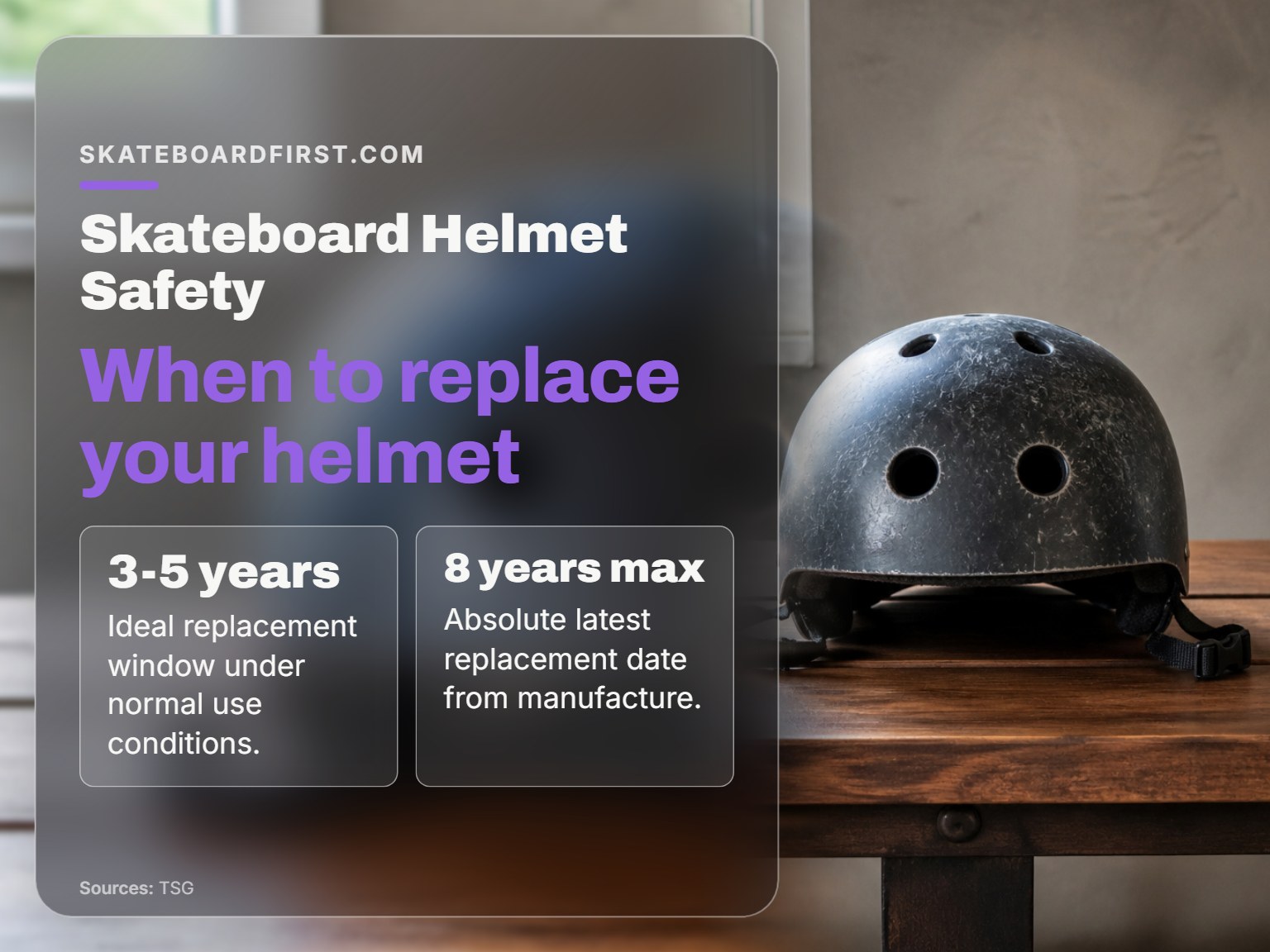
Helmets are not forever. The foam inside that absorbs impact is a one-time-use material. Even if you never crash, time degrades it. The rule is simple: replace your helmet after any major impact, after 3-5 years of normal use, or at the absolute latest 8 years from its date of manufacture.
Helmet replacement guidelines are drawn directly from manufacturer guidelines. The TSG Pass 2.0 manual states helmets “should be replaced every 3-5 years under normal use conditions, but at the latest after 8 years from date of manufacture.” Why the range? It depends on how often you skate, how you store the helmet (keep it out of hot cars), and exposure to sunlight and chemicals.
The first “2” is for impacts. If you take a solid hit, even if the shell looks fine, the EPS liner inside may be compressed. That compression is invisible, but it means the helmet will not perform as designed next time. Manufacturers advise that a helmet should be replaced after any severe impact, as the internal foam may be compromised even if the shell appears undamaged.
The second “2” covers the two timeframes: the ideal replacement window (3-5 years) and the absolute drop-dead date (8 years). Mark your calendar. A helmet older than eight years is a liability, regardless of its appearance. This rule is a critical part of fitting a helmet correctly for the long term.
Maintenance and Care: A Split Decision
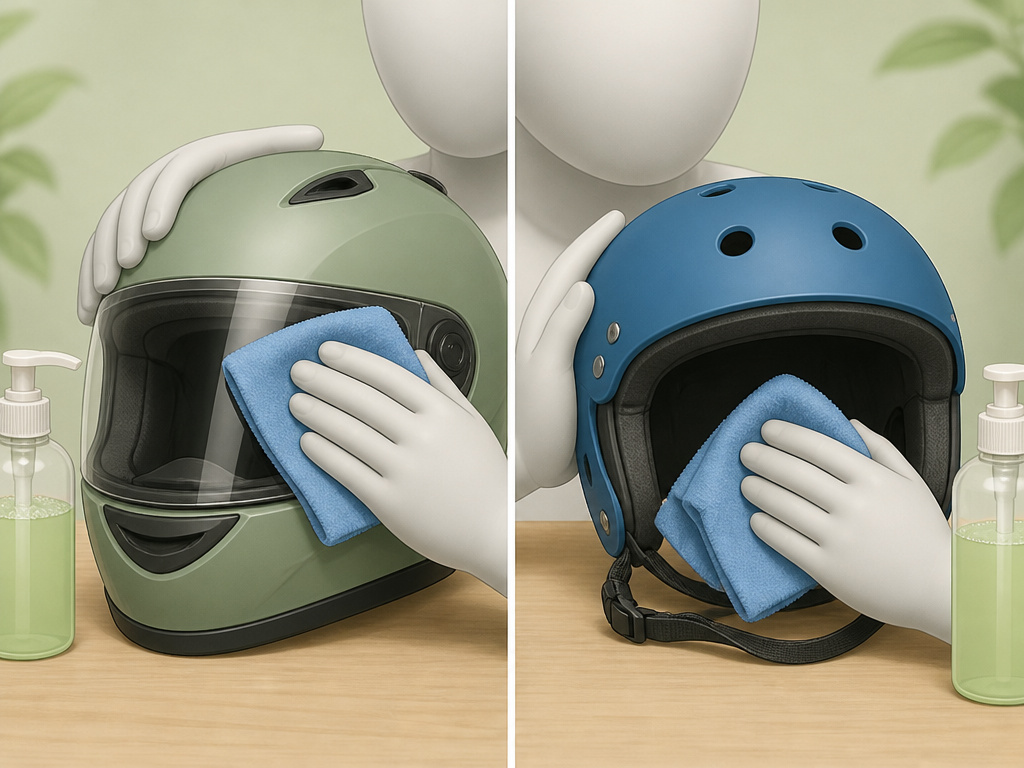
How you care for your helmet depends on its type. The basics are the same, wipe down with a soft, damp cloth and mild soap, but the details differ.
Full-face helmet care focuses on the visor and interior padding. Manufacturers provide care instructions for their helmets; generally, cleaning with mild soap and water is recommended. Some helmets have removable padding for cleaning; check the manufacturer’s instructions. Let everything air dry completely before reassembling. A musty, damp interior is a recipe for discomfort and degraded materials.
Open-face helmet care is simpler. Without a visor or extensive interior padding, you are mainly cleaning the outer shell and the sweatband. The lack of enclosed spaces means it dries faster and is less prone to holding odors.
Storage is universal. Keep your helmet in a cool, dry place away from direct sunlight. Do not leave it in a car on a hot day; the TSG manual advises storing the helmet in a cool, dry place away from direct sunlight and excessive heat, which can damage the materials. Heat damage weakens the shell and liner, voiding its protective capabilities.
How to Choose: A Step-by-Step Decision Guide
Stop overthinking it. Follow this sequence to narrow your choice.
- Identify your primary discipline. Are you a downhill speed demon or a park technician? Your answer here points directly to full-face or open-face.
- Check the certification. Before anything else, find the ASTM F1492 or EN 1078 label inside any helmet you consider. This is an absolute requirement for safety.
- Get the fit right. To ensure a proper fit, follow the manufacturer’s sizing chart and the CDC’s general fit advice. Match this measurement to the brand’s sizing chart. The helmet should sit level, with the front rim just above your eyebrows. The CDC’s skateboard helmet fact sheet emphasizes a snug fit with the chin strap tight enough that no more than one or two fingers fit underneath.
- Weigh the comfort factors. Try on both types if possible. Can you tolerate the heat and weight of a full-face? Does the open-face feel secure enough for your speed?
- Set a replacement reminder. Note the manufacture date on the label and calculate your 5-year and 8-year deadlines. Your phone calendar is your friend here.
For most adults starting out or skating park, a well-fitted open-face helmet certified to CE EN1078 or CPSC standards is the correct choice. If you are looking at helmets for adults, focus on fit and certification over flashy looks. For the downhill and speed crew, the investment in a full-face is not optional, it is part of the gear.
How much do full face and open face helmets cost
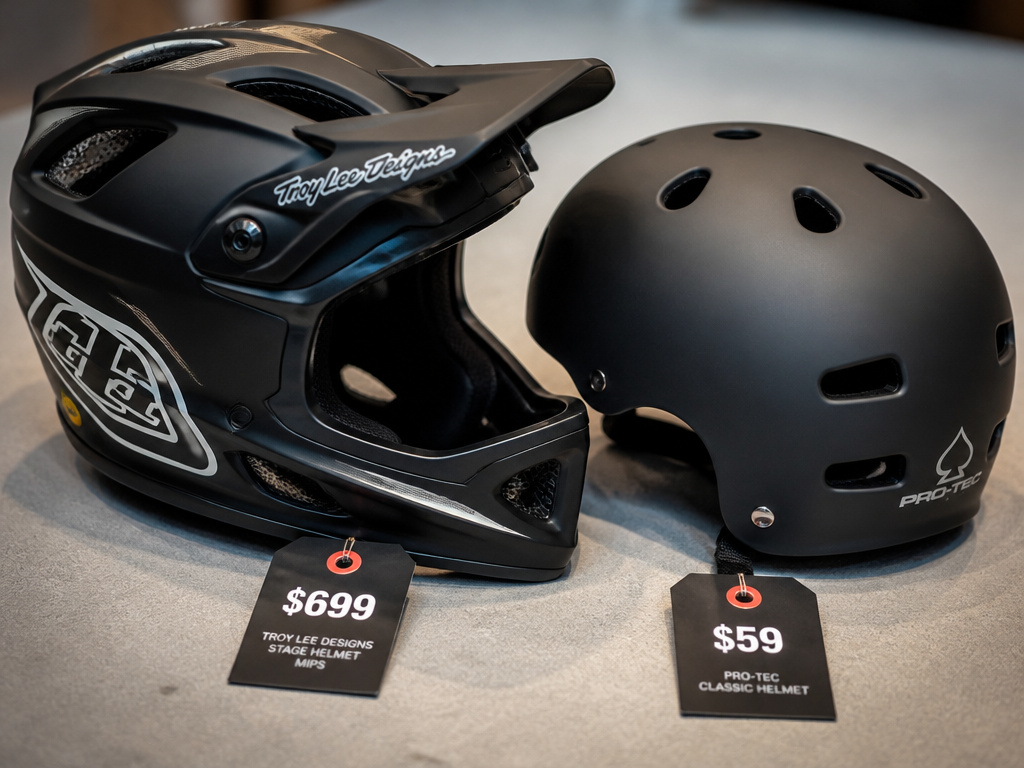
Full-face helmets are a more significant investment due to their complex construction and greater material use. They incorporate an integrated chin bar and often a visor, which adds to manufacturing costs. Open-face helmets have a simpler design with less material, resulting in a lower price point. The cost difference reflects the increased protection and features. For riders considering a full-face helmet, the higher initial cost should be weighed against the long-term value of enhanced facial and jaw protection, especially for disciplines like downhill skating where such impacts are more likely.
Is a full face helmet overkill for skateboarding
The perception that full-face helmets are excessive clashes with data showing head injuries comprise up to 75% of all skateboarding injuries. While a 2020 study found less than 5% of competitive skateboarders wore helmets, manufacturers like TSG and Predator position full-face helmets as essential protection for downhill and performance skateboarding. A full-face helmet provides essential protection for the jaw and face during high-speed slides or forward falls. The choice hinges on your skating style; for casual park skating it may feel unnecessary, but for downhill where facial impacts are a real risk, it shifts from overkill to a necessary piece of safety equipment.
Frequently Asked Questions
Which helmet is better, open face or full-face?
Neither is universally “better.” A full-face helmet provides superior protection for the face and jaw, making it better for high-speed downhill or electric skateboarding. An open-face helmet is better for park, street, and cruising where ventilation, light weight, and full peripheral vision are more important than facial coverage. Choose based on your primary riding style.
What is the 2 2 2 rule for helmets?
The 2 2 2 rule is a simple way to remember helmet replacement guidelines: Replace after 2 types of events: 1) Any significant impact, and 2) After two time thresholds: 3-5 years of normal use, or at the absolute latest 8 years from the date of manufacture. This is based on OEM guidelines and material degradation.
What type of helmet is best for skateboarding?
The best type is a helmet certified to the ASTM F1492 or EN 1078 safety standard that fits your head snugly. For most skateboarding (park, street, vert), a certified open-face “skate” helmet is best. For downhill racing or very high-speed electric skateboarding, a certified full-face helmet is best. Our list of the best helmets covers top models in both categories.
What are the disadvantages of a full-face helmet?
The main disadvantages are added weight (often over 1 kg), reduced peripheral vision, poor ventilation leading to heat and fogging, and higher cost. They can also feel restrictive and make communication difficult. For low-speed skateboarding, these drawbacks often outweigh the extra protection.
Do MIPS helmets make a difference for skateboarding?
MIPS (Multi-directional Impact Protection System) is designed to reduce rotational forces on the brain during angled impacts. While more common in bike and ski helmets, its inclusion in skate helmets is growing. For skateboarding, where falls often involve glancing blows, MIPS technology can offer an additional layer of protection against concussions, making it a worthwhile feature to look for, especially in higher-end models.
The Bottom Line
Your head gets one shot. The full face vs open face skateboard helmet choice is not about looks or what is cool, it is about matching a piece of safety equipment to the specific risks you are taking on your board.
If your top speed is under 20 mph and you are not pointing it down a mountain, a certified open-face helmet is your tool. Get the fit perfect, wear it every time, and replace it on schedule. If you chase speed, where a fall means a long, unforgiving slide, the full-face is not an upgrade; it is the minimum viable protection. The data from the peer-reviewed skateboarding safety study shows the stakes.
Before you buy anything, download the ASTM F1492 helmet standard abstract and read it. Knowing what the certification actually tests for turns you from a shopper into an informed buyer. Then, go try on both types. Feel the weight difference on your neck. Notice the change in your field of view. Your body will tell you which trade-off is right for your skating.
