
How to Clean Skateboard Pads: Machine & Hand Methods
This post contains affiliate links. As an Amazon Associate, we earn from qualifying purchases.
Clean skateboard pads by washing them in a mesh bag on a gentle cycle with cold water and mild detergent, or by hand-washing in a tub with dish soap and warm water. Always air dry away from direct heat to protect the foam and Velcro. Sanitize between deep cleans with a light spritz of rubbing alcohol or by airing pads out in the sun.
That’s the baseline. The real question is how you keep them from smelling like a locker room after a few weeks of regular sessions. It’s not about scrubbing harder; it’s about choosing the right method for your schedule and the pad’s construction, which is why learning how to clean skateboard pads correctly is key.
What follows: the step-by-step for a quick machine wash, the deeper hand-wash for stubborn grime, how to sanitize pads between washes, and the one rule that decides whether a pad is cleanable or ready for the bin.
Key Takeaways
- Machine wash pads in a mesh laundry bag on a gentle, cold cycle. Some sources recommend using a mild, scent-free detergent, while others warn that laundry detergent can break down fibers and wear out gear faster.
- Hand wash pads with dish soap and warm water for a deeper clean, focusing on compressing the foam to flush out sweat and salt.
- Never use a clothes dryer; the heat damages foam and Velcro. Air dry pads completely, away from direct sunlight or heaters.
- Sanitize between washes by airing pads in the sun for 10 minutes (as suggested by a Skate Dad Hacks YouTube creator) or using a light rubbing alcohol spritz (as suggested by a Reddit user) to kill odor-causing bacteria. Note: Future Motion Inc. Warns against alcohol-based cleaners on some equipment, so test on a small area first.
- Retire a pad when the foam stays compressed, the Velcro loses grip, or the hard plastic shell is cracked—cleaning can’t restore structural safety.
The Gunk You’re Actually Cleaning
Skate pads don’t just collect dirt. They trap sweat, body oils, and salt in their foam, which is why a surface wipe does nothing for the smell. That funk is bacteria having a party inside the padding.
The goal is to stop bacterial growth before it breaks down the materials or leads to skin irritation, not merely to make pads look clean. A clean pad also stays grippy and in place, which is the whole point of wearing it.
Before you start: Secure all Velcro straps before washing. An open strap will catch and tear in the machine. Remove any hard plastic caps or splints if the manufacturer says you can; if not, wash them in place. Heat from dryers or direct sun stiffens foam and melts adhesives, so air drying is non-negotiable.
The Quick Machine Wash Method
This is the go-to for a weekly reset if you skate several times a week. It’s efficient, but it puts more mechanical stress on the pads than hand washing.
You’ll need a front-loading washing machine (top-loaders with an agitator can be too rough), a mesh laundry bag, and a mild, scent-free laundry detergent. Avoid heavy detergents with optical brighteners or enzymes, as some Reddit users report these can degrade the synthetic fibers over time.
Here’s the step-by-step:
- Secure all Velcro. Fasten every strap so the hooks can’t snag on the fabric of the pad or the laundry bag.
- Place pads in a mesh bag. This protects them from getting tangled and beaten against the drum. One set of pads per bag.
- Run a gentle, cold cycle. Use the cold water setting. Hot water can set stains and damage some foam composites.
- Add a small amount of detergent. A quarter of the normal dose is plenty. You can add an odor fighter like baking soda or a borax substitute to the drum.
- Skip the spin cycle if possible. A high-speed spin can wring and misshape the pads. If your machine doesn’t allow this, use the lowest spin speed.
- Air dry immediately. Hang pads by their straps or lay them flat on a towel rack. Ensure good airflow and keep them away from radiators or direct sun.
The machine cycle time will vary, plus drying. The drying is the slow part and can take a day or more depending on humidity.
| Step | Do This | Skip This (And Why) |
|---|---|---|
| Pre-Wash | Secure all Velcro straps. | Washing with open straps (they snag and tear). |
| Cycle | Cold water, gentle setting. | Hot water or heavy-duty cycle (damages foam). |
| Drying | Air dry with good ventilation. | Clothes dryer or direct sun (melts glue, stiffens foam). |
Common mistake: Using too much detergent. It doesn’t rinse out fully from dense foam, leaving a residue that actually attracts more dirt and can stiffen the padding. A small amount works.
When to Hand Wash Your Pads
Hand washing is the deeper, gentler alternative. It’s best for a monthly deep clean, for pads with non-removable components, or when you’re dealing with set-in stains like grass or blood. It’s also the only method some pad manufacturers, like 187 Killer Pads, explicitly recommend for their gear.
You’ll need a tub or large sink, warm water, and a mild dish soap like Palmolive. Dish soap is formulated to cut grease (body oils) without the harsh additives found in some laundry detergents.
The process is more about patience than effort:
- Fill a tub with warm, soapy water. Swish the water to create suds.
- Submerge the pads. Press them down gently to saturate the foam. Let them soak for 15-30 minutes.
- Agitate and compress. Don’t scrub. Instead, repeatedly compress each pad under the soapy water. This forces the soap solution through the foam to flush out trapped sweat and salt. Pay attention to the areas that contact your skin directly.
- Rinse thoroughly. Drain the soapy water and refill the tub with clean, cold water. Rinse by compressing the pads in the clean water until no more suds appear.
- Press out excess water. Gently squeeze each pad. Never wring or twist, as this can tear internal stitching.
- Dry with care. Follow the same air-drying rules as the machine method. Prop them up so air can circulate around all sides.
The sensory reality here is the smell of the rinse water. If it still smells sour after the first rinse, you haven’t gotten all the bacteria out. Do a second soak with fresh soapy water.
I switched to a hand-wash routine every few weeks. My old method was one giant, neglected clean every few months, and the pads always felt damp and smelled musty halfway through. The ten-minute soak-and-compress beat the yearly overhaul.
Sanitizing vs. Cleaning: The Between-Wash Boost
Cleaning removes dirt and grime. Sanitizing kills the bacteria that cause odors. For skate pads, you need both. A quick sanitizing routine between proper washes can stretch the time between deep cleans and keep your gear fresh.
You have two proven paths, and they come from direct user reports.
Sun and UV Light: A Reddit user who skates 4-6 times a week lays pads in the sun for about 10 minutes after each session. The UV light acts as a natural disinfectant. This is brilliant for odor control but must be brief; prolonged sun exposure degrades materials.
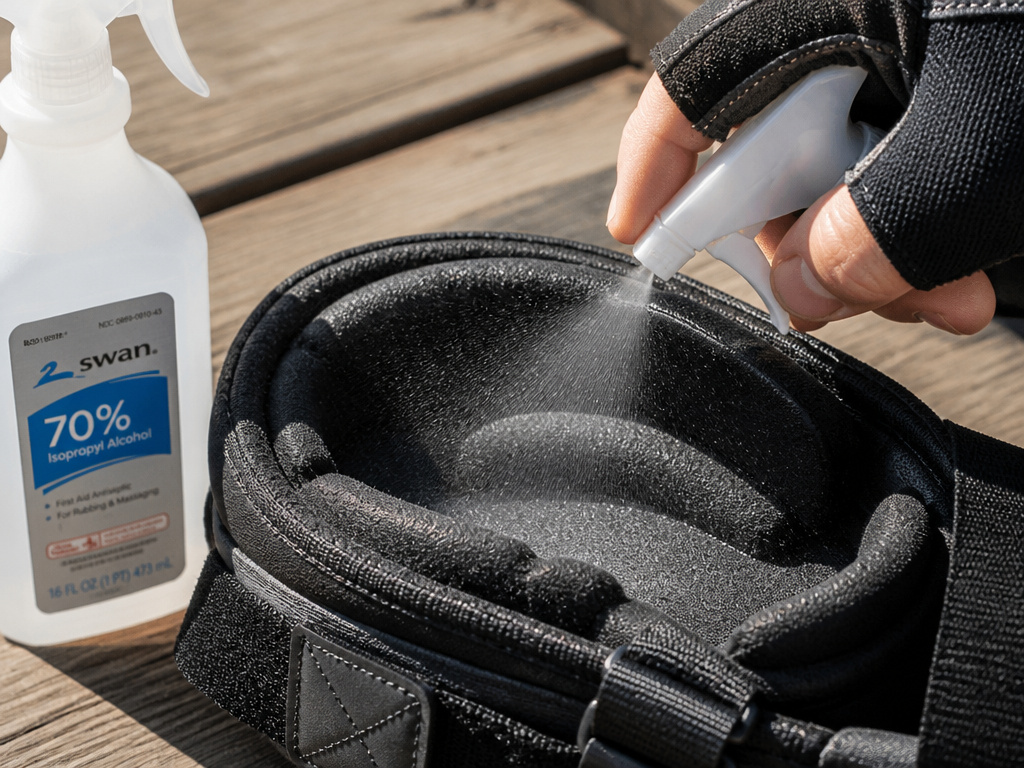
Rubbing Alcohol Spritz: Another common practice is lightly spritzing pads with isopropyl alcohol (70% concentration) after training, focusing on the foam side. The alcohol evaporates quickly, killing surface bacteria. However, Future Motion Inc. Warns against alcohol-based cleaners on some equipment like Onewheel footpads, as it can damage certain plastics. Test on a small, hidden area of your pad first.
| Method | Best For | Caveat |
|---|---|---|
| Sunlight (10 min) | Overall odor control, natural. | Can fade colors and dry out materials if overdone. |
| Rubbing Alcohol Spritz | Quick, targeted bacteria kill. | May damage some plastics or adhesives; test first. |
| Vinegar Soak (occasional) | Breaking down mineral deposits from sweat. | Leaves a temporary odor that dissipates when dry. |
These methods buy you time. They are not substitutes for a full wash when the pads are visibly dirty or stiff with dried sweat.
Dealing with Special Materials and Parts
Not all pads are created equal, and their materials dictate their care. This is the gap most generic guides miss.
Kevlar or Non-Removable Padding: Some premium pads use Kevlar or have permanently attached foam. These can be washed using the hand-wash method described above. The key is to avoid aggressive scrubbing and ensure they are completely dry before storage to prevent mold.
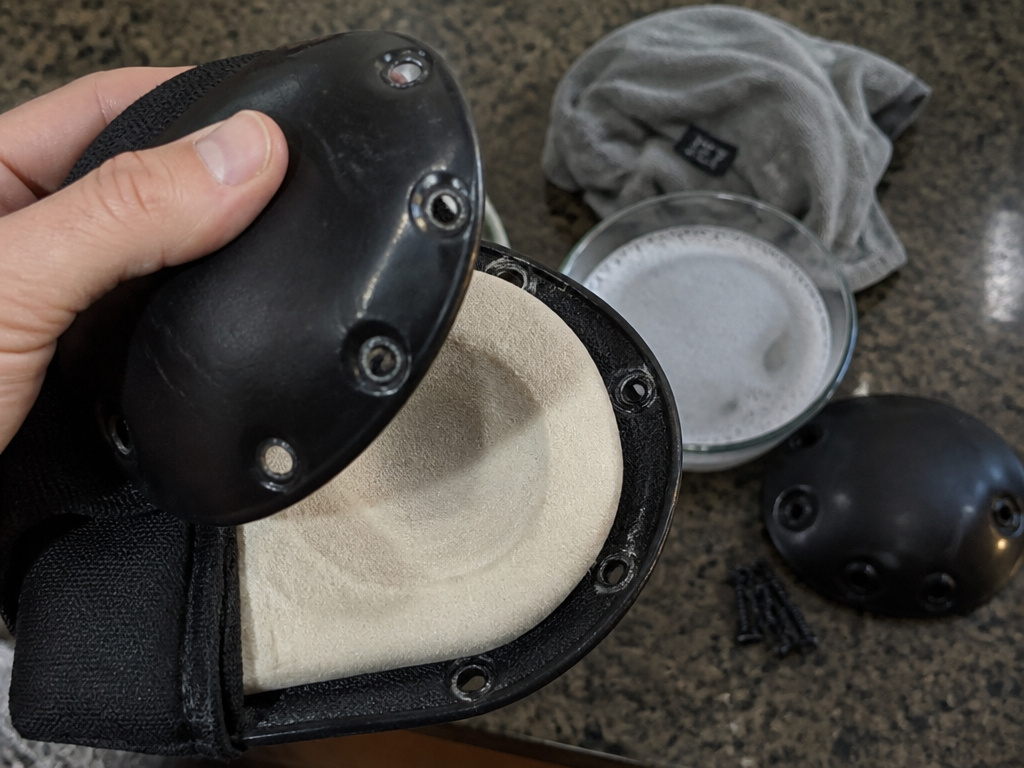
Hard Plastic Caps and Shells: Brands like Triple Eight and Pro-Tec often have removable hard caps. Always remove these if possible and wash them separately with soap and water. If they are non-removable, wash gently around them, taking care not to let water pool in the crevices where the cap meets the fabric.
Leather or Suede Accents: Some older or specialty pads have leather straps. Spot clean these with a damp cloth and a leather-specific cleaner. Do not soak.
Where this goes sideways: Putting pads with removable hard caps through a machine wash without taking the caps off. The caps can crack from the impact, and their sharp edges can tear the mesh laundry bag or the pad itself.
How Often Should You Clean Skateboard Pads?
Frequency is determined by use and your nose, not by a calendar, which is why understanding how to clean skateboard pads matters. The sources give us a clear range, from after every session to every other week.
A YouTube creator with a family skating 4-6 times a week runs a full wash cycle on a regular schedule. For a casual skater, a deep clean on a regular schedule is probably sufficient.
Here’s a simple diagnostic list. Clean your pads when any of these are true:
- They smell even when dry.
- The foam feels stiff or less resilient.
- You see visible stains or salt rings (from dried sweat).
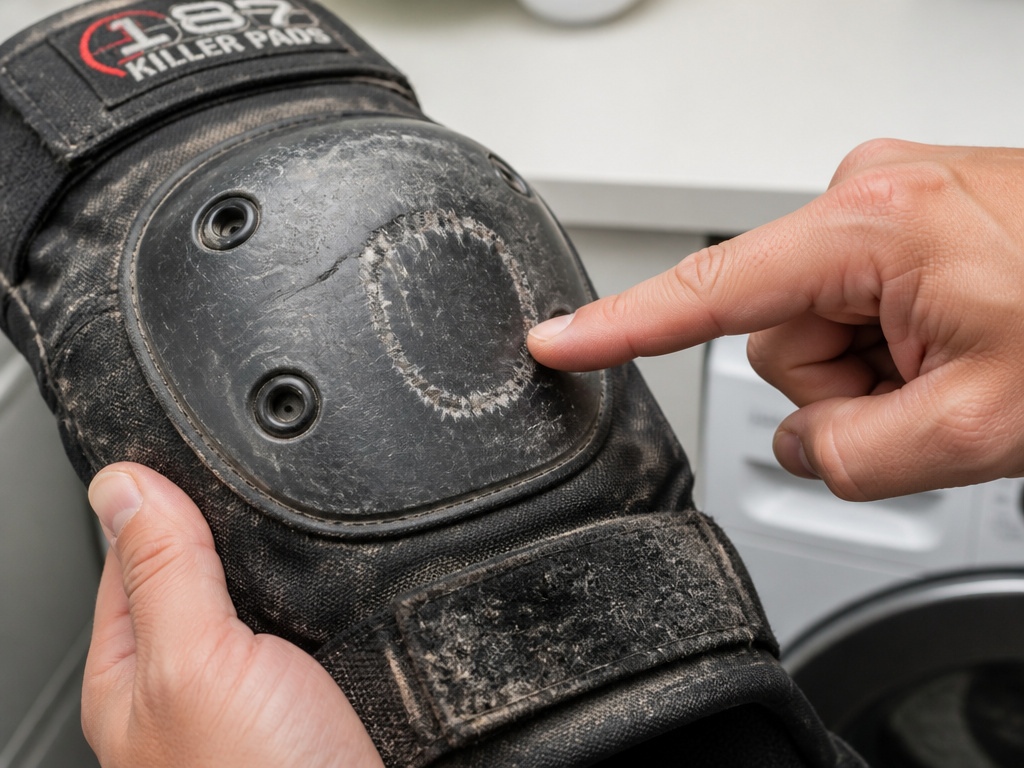
- The Velcro isn’t gripping as well (often due to lint and grime buildup).
The “air dry after every use” rule from the SERP is good hygiene. It prevents moisture from sitting in the foam overnight. Just don’t mistake airing out for the process of how to clean skateboard pads.
When Cleaning Isn’t Enough: Time to Replace
A clean pad is a safe pad, but you can’t wash away wear and tear. The foam breaks down, the Velcro wears out, and plastic shells crack from impacts.
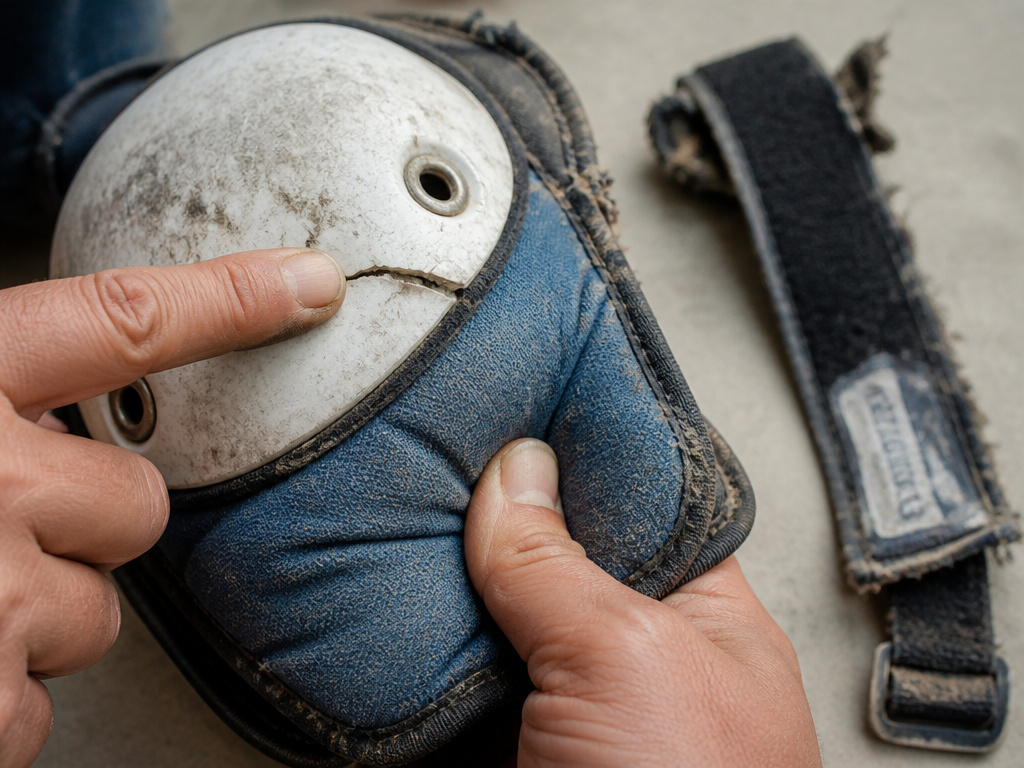
From my own gear rotation: pads get funky with regular use. I hand wash them, but I retire a pad when the foam stays compressed, the Velcro stops gripping, or the cap is cracked. After a hard slam, I check the cap and stitching even if it looks okay. A cracked cap won’t protect you next time.
Follow this replacement checklist. If you answer “yes” to any, it’s time for new pads, not another wash:
- Compressed Foam: Does the padding stay flat after you press it and doesn’t spring back?
- Failed Velcro: Do the straps not hold securely, even after you’ve picked the lint out?
- Cracked Shell: Is there any visible cracking or splitting in the hard plastic knee or elbow cap?
- Torn Stitching: Are the seams coming apart, especially at stress points?
- Age: Have you used them heavily for over a year? The materials degrade from sweat and UV exposure even with perfect care.
For more on this, our guide on pad expiration and lifespan breaks down the typical lifecycle of knee pads, elbow pads, and wrist guards.
How to Use White Vinegar for Pad Odor
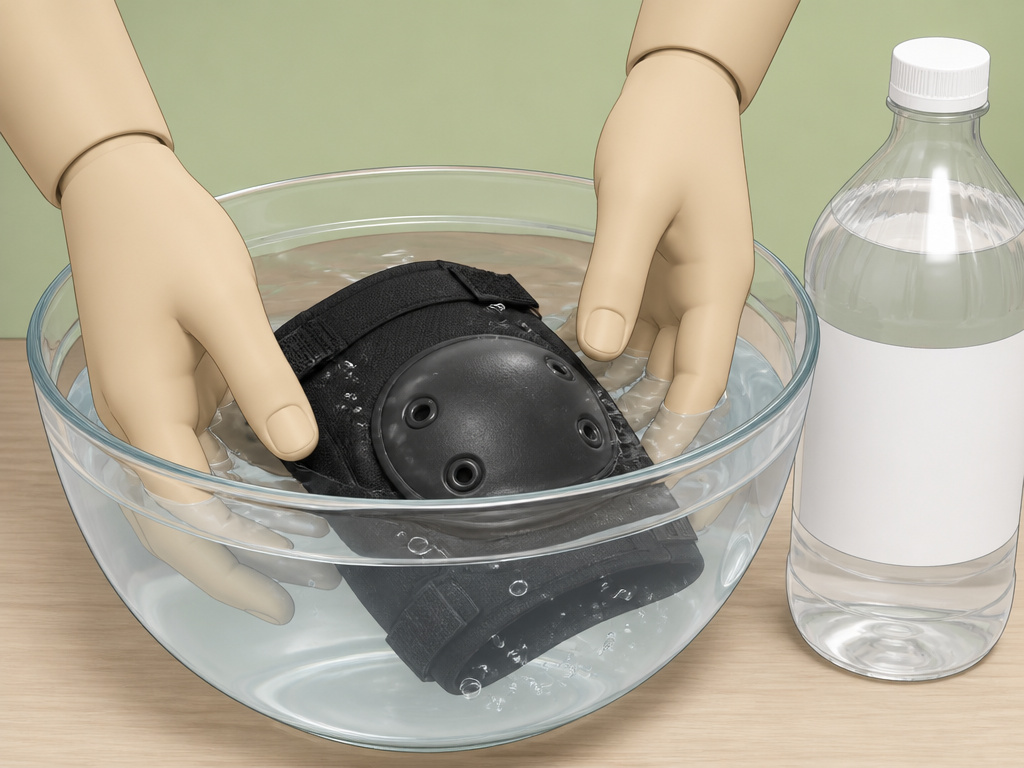
White vinegar is a common household choice for cutting through stubborn athletic gear smells. To use it, you can add white vinegar to your washing machine’s rinse cycle when you wash your pads. For a hand wash, mix a solution of vinegar and water in a basin and let the pads soak before rinsing thoroughly. The acetic acid in vinegar helps neutralize odor-causing bacteria without harsh chemicals. Always ensure pads are rinsed well to remove any vinegar scent. After cleaning, hang the pads to air dry completely before your next session.
Balancing the Washer with Jeans or Towels
When washing skate pads in a machine, adding a balanced load can improve the wash cycle. Pads are often lightweight and can cause the washer to become unbalanced during the spin cycle, which may lead to excessive vibration or an incomplete clean. The added weight helps the machine distribute the load evenly, allowing it to agitate and rinse more effectively. Make sure any items you add are clean and colorfast to avoid dye transfer. After the cycle, always remove your pads and hang them to dry; never put them in the dryer.
How to Clean a Skate Mouthguard
Cleaning a mouthguard is essential for hygiene. After each use, rinse it under cool water to remove saliva and debris. For a deeper clean, you can gently scrub it with a soft-bristled brush and a small amount of mild soap. Avoid using hot water, as it can warp the plastic. Some athletes also use a diluted vinegar solution or other cleaners for sanitizing. Rinse the mouthguard thoroughly after any cleaning solution. Always allow it to air dry completely before storing it in its protective case to prevent bacterial growth.
Frequently Asked Questions
Can I put my skateboard pads in the dishwasher?
Some Reddit users report putting pads on the top rack of the dishwasher. It’s a risky shortcut. The heat and harsh detergent from a dishwasher are more aggressive than a washing machine and can rapidly break down foams and adhesives. Stick to the machine or hand-wash methods outlined above.
How do I get rid of set-in blood stains on my pads?
For fresh blood, rinse immediately with cold water. For set-in stains, soak the pad in cold water with a bit of salt or a enzymatic stain remover designed for protein stains before proceeding with a normal hand wash. Avoid hot water, as it can set blood stains permanently.
What’s the best way to dry skateboard pads fast?
The fastest safe method is to place them in front of a fan in a well-ventilated room. You can also pat them with dry towels to absorb excess moisture before air drying. Never use a hair dryer, clothes dryer, or place them on a heater.
Can I use regular laundry detergent?
You can, but a mild, scent-free detergent is better for the long-term health of the pads’ materials. Some detergents contain enzymes or brighteners that may degrade synthetic fabrics and foam faster. For a deeper discussion on caring for all your gear, see our full skateboard cleaning guide.
How do I clean my skateboard helmet liner?
Most helmet liners are removable and can be hand washed with mild soap and cool water. Check the manufacturer’s instructions. For non-removable liners, use a damp cloth with a bit of soap to spot clean, then wipe with a damp cloth to rinse. Always air dry completely. We have a dedicated guide on skateboard helmet care with specific steps.
Before You Go
The one rule that changes everything: clean pads are about consistency, not intensity. A quick ten-minute hand wash every few weeks keeps you ahead of the grime, while a monthly machine wash resets everything. Waiting until they’re visibly dirty means you’re already losing the battle against bacteria and material breakdown.
Your next step isn’t to clean all your pads tonight. It’s to look at your skating schedule and pick one method—machine or hand wash—to try after your next two sessions. See how it fits. The right protective gear for beginners is only half the equation; maintaining it is what makes it last.
Finally, remember that knowing how to wear your pads correctly is as important as keeping them clean. A clean, well-fitted pad is the one that actually works when you need it.
