
What Is a Skate Crew: Key Takeaways and Purpose
This post contains affiliate links. As an Amazon Associate, we earn from qualifying purchases.
A skate crew is a tight-knit group of friends who skate together regularly, built on shared local spots, progression, and a distinct identity, often with a name, inside jokes, and a collaborative spirit that’s more about friendship than competition. It’s not a sponsored team or a brand; it’s your home crew, the people you call when the session is on.
That definition gets you the basics. Where it gets real is in the how, how these groups form, how they can make or break your skating experience, and how they differ from the official structures you see in magazines. To understand that, you first need to ask: what is a skate crew?
What follows is a look at the unspoken rules, the social glue, and the practical realities of skate crews, from the legendary Z-Boys to the crew that might be forming at your local park right now.
Key Takeaways
- A skate crew is a friend group first, built on regular sessions and shared local spots, not sponsorship or skill level.
- Crews form organically through repeated meet-ups; trying to force a named crew from day one often feels awkward and falls apart.
- The main benefit is consistent, motivated skating, a crew gets you out the door on days you’d otherwise skip.
- Crews can have a dark side of exclusion or cliques; finding a positive group is as important as finding any group.
- Starting your own crew begins with showing up, being reliable, and inviting others to join casual sessions.
The Core Purpose of a Skate Crew (and What It Isn’t)
Think of the last time you landed a trick you’d been sweating. Who did you turn to first? For most skaters, it’s the crew, the two or three friends who were right there, who saw all the slams leading up to it. That moment captures the purpose: a skate crew is your primary audience and your motivation.
A skate crew is a self-selected, informal social unit centered on the shared activity of skateboarding. Its functions are practical (consistent session partners), motivational (shared progression), and social (a defined in-group identity), distinct from the commercial aims of a sponsored team or the administrative structure of a club.
It’s easy to confuse a crew with a sponsored team or a brand. A team is a business arrangement; skaters are contracted to represent a company, attend events, and produce media. A crew is a friendship arrangement. Your crew films each other’s lines for Instagram, not for a corporate sponsor. The Z-Boys started as a crew surfing the same break before they became the legendary team. The identity came first, the sponsorship later.
The other mix-up is with a skate club or organization. A club often has meetings, dues, and elected roles, it’s a formal structure. A crew has an understood meet-up time, a group chat, and maybe a shared can of bolt tighteners. If you’re looking to start a skate club, you’re planning events and permissions. If you’re forming a crew, you’re just texting “park at 4?”
How Skate Crews Form (The Organic Way vs. The Forced Way)
The best crews aren’t made; they grow. You keep showing up at the same ledge on Tuesday evenings. You start recognizing faces, sharing a skate tool, laughing at the same slam. A few weeks in, someone suggests a post-session burrito run. That’s the seed. Naming it comes later, if at all.
The forced method, deciding “we are now the ‘Westside Rippers’” before you’ve skated together ten times, usually fizzles. The name feels hollow without the shared history to back it up. The Reddit stories bear this out: names that stuck, like “TGF (The Ginyu Force)” or “Burlington Skate Crew,” came from an older skater bestowing a nickname after months of watching the group roll together.
If you want to make friends skateboarding, focus on being a reliable session partner first. Show up. Share your wax. Offer a spot. The crew forms around the consistency, not the label.
Crew Culture: Names, Dynamics, and Shared Identity

Once a crew exists, naming it is a rite of passage. It can be location-based (“DSM” for Da Spring Hill Mafia), absurd (“Breakfast Brigade”), or descriptive (“Tail Gang,” for the bandana hanging from a back pocket). The name becomes a shorthand for your group’s vibe, a tag for your grip tape, a piece of shared pride.
The dynamic is everything. A healthy crew operates on positive peer pressure. You push each other to try new spots and new tricks, but the celebration for landing a basic shove-it is as loud as for a kickflip. The social reward is powerful, a 2015 Reddit thread nailed it: “I get more gratification landing a new trick when someone sees me do it.”
| Crew Dynamic | Healthy Sign | Toxic Sign |
|---|---|---|
| Progression | Encouragement after slams; celebrating small wins. | Mocking failed attempts; pressuring risky moves. |
| Inclusivity | Welcoming newcomers to the session; sharing spots. | Forming closed cliques; “plowing over” less skilled skaters at the rink. |
| Conflict | Disagreements settled off the board; focus on skating. | Personal drama derailing sessions; exclusion as punishment. |
That toxic side is real. A 2023 rollerskating forum thread described a rink crew that mocked newcomers and caused collisions, ruining the fun for everyone. A skate crew should lift you up, not gatekeep the sport. If your local scene feels hostile, your best move might be to find skateboarding buddies as an adult elsewhere, or start your own positive circle.
Crews vs. Teams vs. Brands: Clearing the Confusion

The line between these terms gets blurry in magazine interviews, but the differences matter for where you fit.
A Skate Crew is the foundation. It’s social and local. There’s no application. You don’t get kicked out for not landing a trick this month. Your contribution is your presence and your stoke. Most famous pros have a home crew they still skate with off-camera.
A Skate Team is a professional roster. Skaters are chosen (often from notable crews) for their marketable skill and style. They receive free gear, a stipend, and have obligations: photo shoots, contest appearances, video parts. It’s a job. Think of the Bones Brigade or any brand’s current team page.
A Skate Brand is the company that manufactures decks, wheels, or apparel. Brands sponsor teams and sometimes emerge from crews (like Baker Skateboards from the Baker Boys). But buying a deck from a brand doesn’t put you on their crew.
Why does this matter? If you’re a beginner looking for your people, you’re looking for a crew, not a team. The path is to connect with individuals, not send a sponsorship tape.
The Practical Benefits of Skating with a Crew
Beyond the camaraderie, a crew solves very practical problems. It battles the biggest beginner killer: inconsistency.
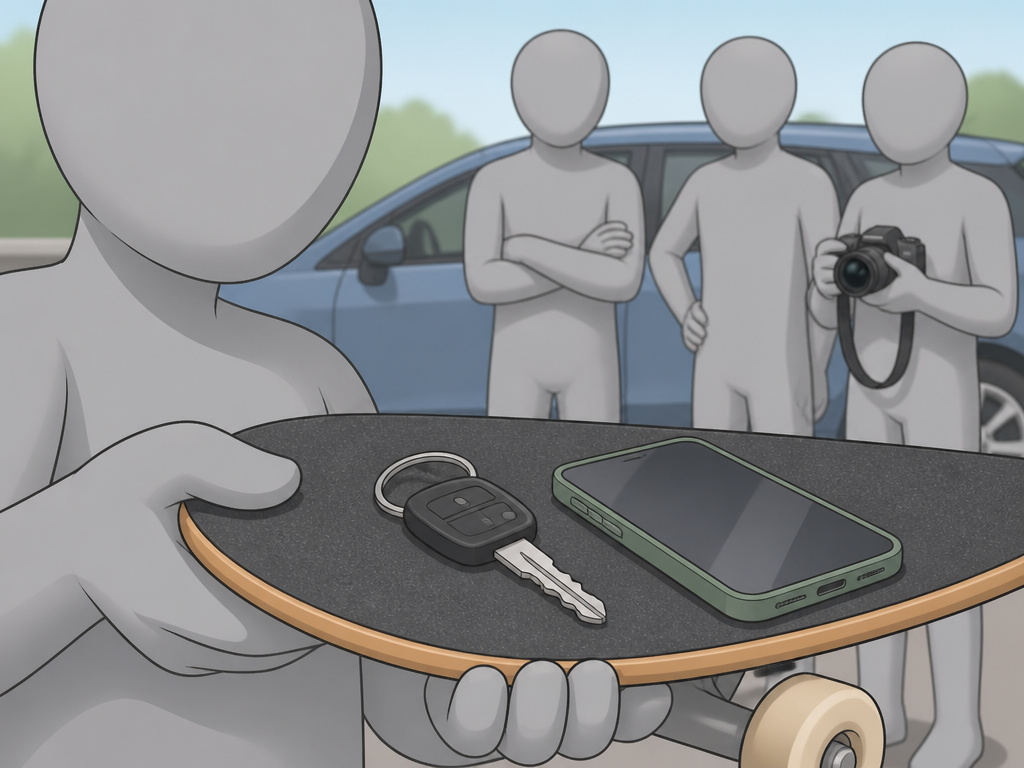
When you have people expecting you at the spot, you go. Even when it’s drizzling, even when you’re tired. That regular attendance is the single biggest predictor of progress. A crew also means shared resources. Someone has the camera. Someone has the car. Someone knows how to plan a skateboarding session that hits three good spots before the sun goes down.
Safety is a tangible, often-overlooked benefit. The CPSC skateboarding safety fact sheet explicitly advises to “never ride alone. Ride with friends and bring a phone. Children under 8 years old should be supervised closely.” A crew means there’s always someone to call for help, a basic precaution that can mean the difference between a shaken wrist and a long, solo wait for an ambulance.
Famous Skate Crews in History

Sometimes a crew’s impact transcends its local park. Studying these groups shows how today’s casual crew can become tomorrow’s legend.
The Z-Boys are the archetype. They were a crew of surfers who applied aggressive, low-to-the-ground surfing style to empty swimming pools in 1970s Los Angeles. Their crew identity, rebellious, style-driven, territorial, directly birthed modern vert skating and brands like Dogtown Skateboards.
The Bones Brigade, though later a formal team, functioned as a crew in its early days. A group of young, incredibly talented skaters (Tony Hawk, Rodney Mullen, Steve Caballero) pushed each other in ways no individual coach could, inventing most of the foundational street and vert tricks in the process.
These stories highlight a pattern: groundbreaking innovation in skateboarding rarely comes from a lone genius. It comes from a tight-knit crew, feeding off each other’s ideas and courage. Your local TGF or Breakfast Brigade might not make a documentary, but the same creative engine is there.
How to Find or Start Your Own Skate Crew

You don’t find a crew by searching an online directory. You build it through repeated, low-pressure interaction.
Start by being a regular. Go to the same park on the same days. Smile, say hi, ask for tips. The goal isn’t to immediately recruit five members; it’s to have one conversation that leads to a “see you next Tuesday.” Apps like Meetup or local Facebook groups can help you find skateboarding buddies initially, but the transition from “skate buddies” to “crew” happens offline, session after session.
If your local scene is thin or unwelcoming, start your own. It begins with you and one other person. Invite a coworker or a neighbor for a casual cruise. Use your phone to film each other. The act of collaborating, even on a lame, two-trick line, creates the bond. As you grow, you might formalize things by learning how to organize a skate jam to attract more skaters.
Where this goes sideways: Forcing a crew name and matching t-shirts before you’ve skated together a dozen times. The cringe factor is high, and the group often dissolves under the weight of its own unmet expectations.
The timeline is measured in months, not weeks. Let the shared scratches on your shoes and the inside jokes about that one weird curb do the naming for you.
Frequently Asked Questions
Is Sid from Lords of Dogtown real?
Yes and no. Sid is a composite character in the film Lords of Dogtown, blending traits and stories from several real Z-Boys members, most notably Sidney “Sid” Melendez. The film takes creative liberties, but the core, a young, talented skater navigating the explosive rise of 70s skate culture, is grounded in reality.
What does “skate” mean in military slang?
In military aviation slang, “skate” refers to a person who avoids work or duty, someone who “skates by” with minimal effort. It’s the opposite of the skateboarding term, which is all about active engagement and effort. This is a classic example of how the same word can mean opposite things in different subcultures.
Does Tony Hawk have a high IQ?
There’s no publicly verified IQ score for Tony Hawk. His intelligence is demonstrated through his strategic business acumen (building the Birdhouse brand and the Tony Hawk’s Pro Skater video game franchise), his analytical approach to learning complex tricks, and his articulate communication about skateboarding’s physics and culture. He’s a clear example of kinesthetic and entrepreneurial intelligence, whether or not it translates to a standardized test score.
How much money does a professional skateboarder make?
Earnings vary wildly. Only a small number of top skaters earn a stable, comfortable living solely from skateboarding through a mix of team salary, contest winnings, signature product royalties, and appearance fees. The vast majority of “pro” skaters supplement their income with side jobs in filming, coaching, or the industry. For an in-depth look at the business side, including how crews support each other’s ventures, explore our article on skateboarding culture.
Can a crew be just two people?
Absolutely. Some of the most productive and enduring crews are duos. The dynamic allows for deep collaboration on video parts, constant feedback, and logistically simple sessions. A two-person crew is still a crew if it provides that core function of mutual motivation and shared identity.
The Bottom Line
A skate crew isn’t something you join on a website. It’s the people whose number you have on speed dial for a last-minute session, who know your “oh shit” face before you bail, and who turn a solitary sport into a shared journey.
If you’re skating alone right now, your first crew member might be the next person you compliment on a trick at the park. Don’t aim for a legendary name or a squad of ten. Aim for one reliable skate buddy. Everything else, the inside jokes, the shared spots, the collective push, grows from that single, simple connection.
Go push down the block once today. Say hi to someone who’s doing the same.
