
How to Remove Stripped Skateboard Bolts: Step-by-Step
This post contains affiliate links. As an Amazon Associate, we earn from qualifying purchases.
To remove stripped skateboard bolts, you follow a three-step hierarchy: first, try the correct hand tool with maximum downward pressure; second, escalate to a mechanical extractor like a SPEED OUT bit; third, cut the bolt as a last resort. The specific tools you need, a PH1 Phillips, a 3/8″ reversible drill, or a specialized skate tool, depend entirely on the bolt’s head type and how much of it remains.
That sequence isn’t just a list. It’s a damage-control ladder. Each step up carries more risk to your deck or trucks, which is why you stop as soon as the bolt moves. For more stubborn cases, you can search for guides on how to remove stripped skateboard bolts.
What follows is a walk-through of each tier, the exact tools that work (and the ones that don’t), and the manufacturer warnings most guides skip. You’ll also see where the pros and the official manuals disagree, like whether a coin and pliers is a smart hack or a guaranteed way to make things worse.
Key Takeaways
- Start with maximum downward force using the exact tool size, a PH1 Phillips for Liquid Skateboard sleeves, for example, before anything else.
- The SPEED OUT extractor requires a 3/8″ variable speed drill, never an impact driver, and can’t handle screws over 2 inches long.
- For bolts threaded directly into a frame, like on some inline skates, drilling the head off is useless; you need a grab-it tool.
- Rust is the real enemy. If you see orange, plan on replacing the bolt and nut; penetrating oil is a temporary fix at best.
- Know your last resort: cutting the bolt shaft between the deck and hanger with a rotary tool saves the trucks when extraction fails.
The 3-Step Hierarchy for Stripped Bolts
You don’t start with a drill. You start with the right hand tool and all your weight. A stripped head usually means the tool wasn’t seated fully, or it was the wrong size. Liquid Skateboard’s maintenance guide is blunt: using anything but a PH1 Phillips screwdriver on their motor sleeve screws can strip the heads. That specificity matters. It’s not just “use a screwdriver”; it’s use this exact one.
The goal here is to convert downward pressure into rotational grip. Lean over the board, press your palm into the screwdriver handle, and turn slowly. If the head is rounded but not gone, a rubber band or a square of duct tape over it can fill the gaps and give the bit something to bite. This can sometimes work on mildly stripped Phillips heads.
Technical Note: For a successful extraction, the extractor bit must engage undamaged metal below the stripped head. The SPEED OUT manual specifies its bits are sized for specific screw ranges (e.g., Bit #1 for No4-No7/No.10(5mm) screws) and warns against use on drywall screws or bolts exceeding 2 inches in length, as the tool can be damaged.
If downward force fails, you move to step two: a mechanical extractor.
When to Use a Screw Extractor (and When to Avoid It)
A tool like the SPEED OUT is your middle ground. It’s designed to bite into the stripped cavity and reverse the bolt out. But its manual lays out strict rules. You must use a 3/8″ variable speed, reversible drill. An impact driver’s hammering action can shatter the extractor. The bolt also can’t be too long, over two inches, or have “aggressive threads,” or you risk damaging the tool.
I keep a set in my toolbox for this exact scenario. The process is straightforward: center-punch the bolt head, drill a small pilot hole straight down the center, tap the extractor bit in, and run the drill in reverse at a low speed. You’ll feel it catch and the bolt will start to turn. The trick is keeping everything perfectly vertical. A crooked pilot hole means the extractor won’t grip true, and you’ll just widen the damage.
Where this goes sideways: Assuming all stripped bolts are the same. For some inline skates, like freestyle or aluminum-frame models, bolts thread directly into the frame. The blog Thisissoul points out that drilling the head off here is pointless, the threaded stump remains locked inside. You need a grab-it tool (a type of screw extractor) to remove the remainder. Their advice is to skip small, low-torque tools and go straight for a high-torque option like the Seba Master Tool or Sonic Y Tool.
The Last Resort: Cutting the Bolt
When the head is fully destroyed or the extractor just spins, cutting is your only option. The goal is to sacrifice the bolt to save the trucks and, if you’re careful, the deck. You’re cutting the bolt’s shaft between the truck hanger and the deck.
A rotary tool with a metal cutting disc is the right tool. You need a steady hand and eye protection, the sparks fly straight down. The technique is to cut a slot across the bolt’s shaft, not through the truck’s axle or into the deck wood. Once the bolt is severed, you can usually twist the remaining threaded portion out of the truck baseplate with pliers. The deck hole might be a little chewed up, but it’s often still usable.
Common mistake: Trying to cut the nut off the bottom with bolt cutters. This crushes the threads and makes removing the leftover bolt from the truck nearly impossible. You also risk crushing the truck’s hangar. Cutting from the top, through the bolt head and shaft, is almost always cleaner.
I’ve had to do this on old, rusted boards where every other method failed. It’s messy and it means the hardware is trash, but it works. The board felt salvageable afterward, which was the whole point.
Why Bolts Strip and How to Prevent It
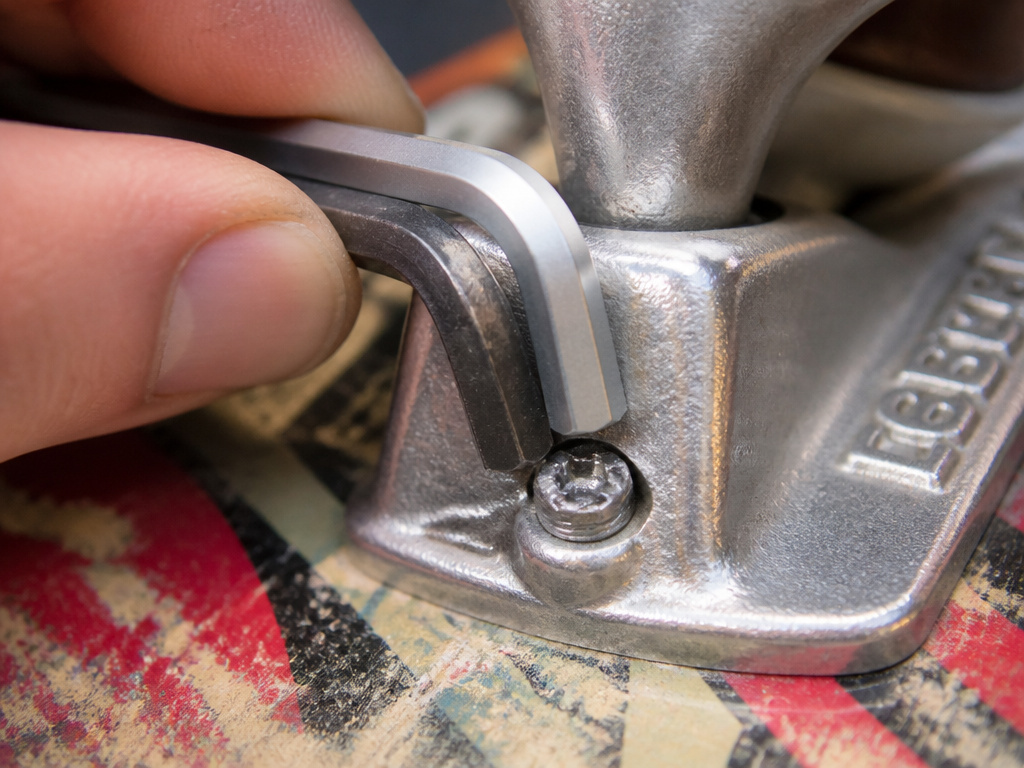
Stripping doesn’t happen at random. It’s a failure of tool, technique, or material. Using a worn Allen key that’s slightly rounded, a Phillips driver that’s even one size off, or applying force at an angle will all chew up a bolt head. Rust accelerates everything. When steel bolts corrode, the metal weakens and the threads fuse with the nut. That’s why a bolt that was fine last season won’t budge now.
The single best prevention is using the correct, high-quality tool. For skateboard bolts, that means a dedicated skate tool with fresh, sharp sockets. For other gear, heed the manufacturer: Rollerblade specifies a special cuff key tool for their Blank skates to secure an internal bolt during disassembly. Lascal notes their BuggyBoard bolts are self-locking and not prone to loosening, but are susceptible to being over-tightened. That’s a key detail, over-tightening is what makes them impossible to remove later.
| Cause of Stripping | Prevention Fix | Tool Upgrade |
|---|---|---|
| Wrong Tool Size | Match driver to bolt exactly (e.g., PH1 for Phillips) | Quality brand-name skate tool |
| Worn Tool | Replace rounded Allen keys/Phillips tips annually | |
| Rusted Threads | Replace bolts/nuts at first sign of rust; don’t reuse | |
| Over-Tightening | Stop when snug; use a tool, not full body weight | Torque-limiting driver (advanced) |
A quick pre-session habit of checking hardware tightness catches loose bolts before they start to wobble and wear. If you’re installing new gear, our guide on how to install skateboard hardware covers the right technique to avoid cross-threading.
Navigating Conflicting Expert Advice
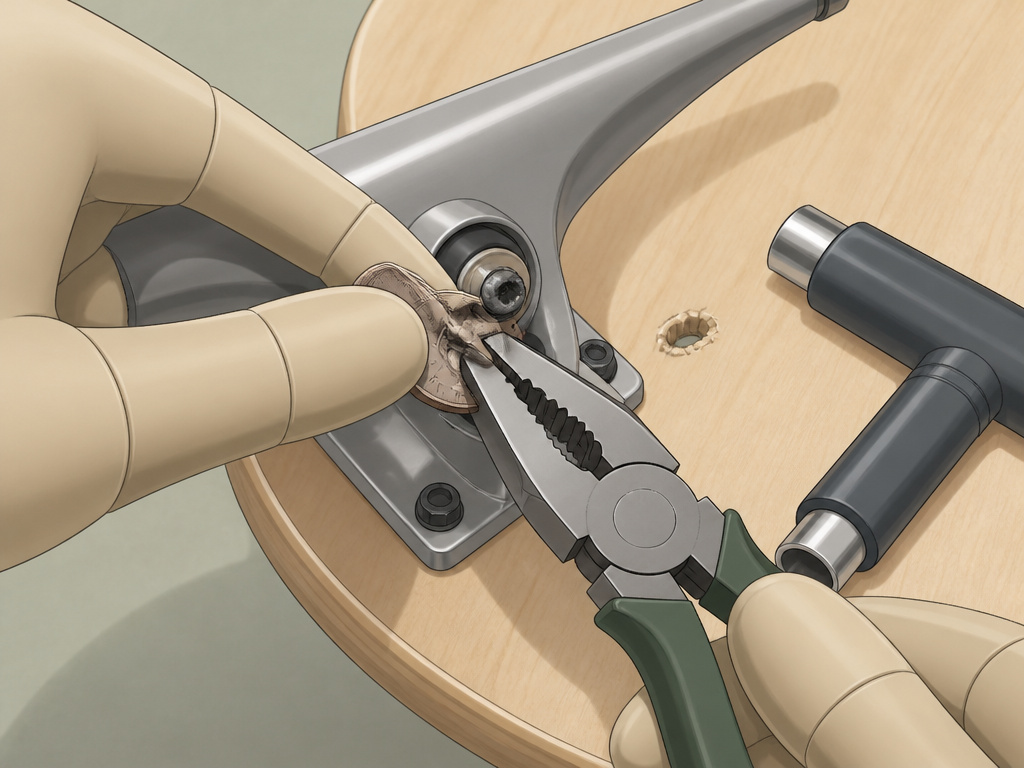
Here’s where it gets interesting. If a dedicated tool fails, what’s your next move in the how to remove stripped skateboard bolts process? Manufacturers disagree. Lascal’s official BuggyBoard advice says if their key won’t work, try a coin with pliers for added force or apply WD-40. But a specialist skate maintenance site like Thisissoul warns against using “small Allen keys that lack the necessary torque”, a category a coin squarely falls into, and recommends high-torque, brand-name tools instead, while Lascal recommends trying a coin with pliers for more force.
Who’s right? It depends on the stakes. For a BuggyBoard bolt, the coin trick might work without damaging the surrounding plastic. For a skate truck bolt buried in maple, a coin is more likely to slip and gouge the deck. The lesson is to consider the material around the bolt. If you can afford to mar the surface, the quick hack might be fine. If you need a clean removal, invest in the proper skate tool.
This is why I lean toward the specialist advice. A few dollars on a better tool beats ruining a deck. When choosing best skateboard hardware later, you’ll also want bolts that are less prone to stripping in the first place.
Special Cases: Electric Longboards and Inline Skates
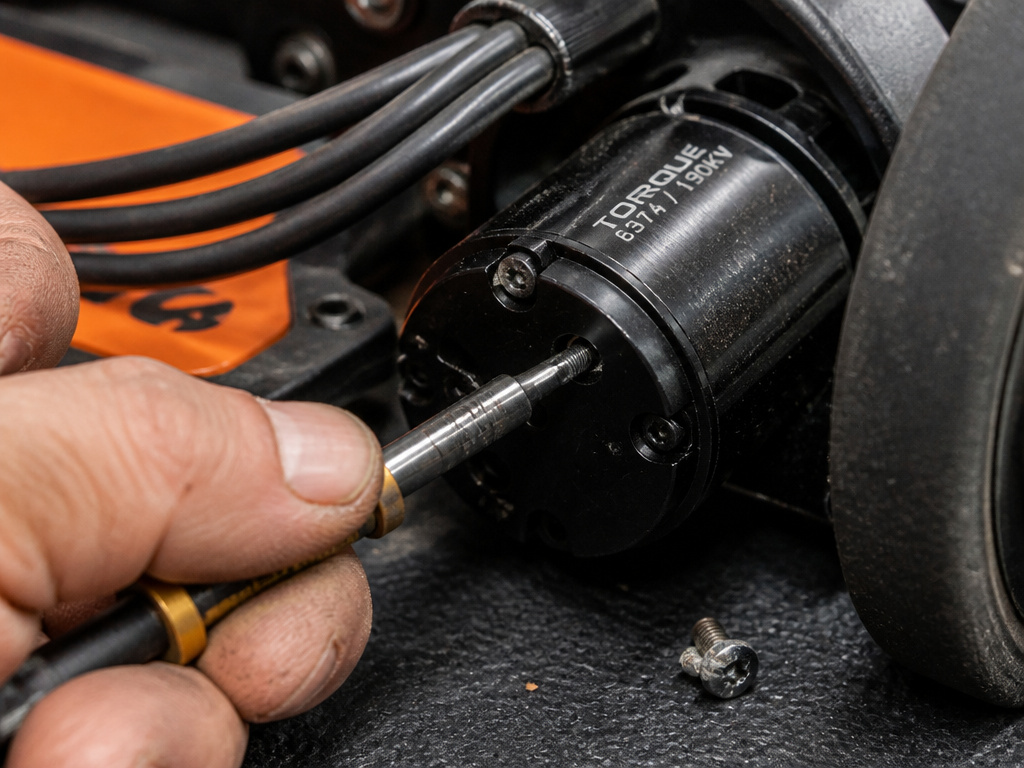
Standard skateboard bolts are one thing. Motorized or performance gear often uses proprietary hardware. As noted, Liquid Skateboard mandates a PH1 for its six motor sleeve screws. Rollerblade’s cuff key is another example. The principle for how to remove stripped skateboard bolts is the same, use the specified tool, but the consequence of getting it wrong is higher. Stripping a screw on a motor sleeve could mean you can’t perform routine maintenance.
For inline skates with aluminum frames, the bolt-head-drilling problem is critical. Since the threads are in the frame itself, you can’t just drill and replace; you need an extractor that can remove the threaded stump. This moves the job from simple hardware replacement into light machining. If you’re not confident, this is the point to take it to a shop. Knowing your bolt size beforehand helps, as you can bring the correct replacement.
Rust is the universal enemy here, too. Electronics and water don’t mix. If you’re dealing with rusty hardware on an e-board, be extra cautious with penetrating oils near motors and wiring.
Frequently Asked Questions
Can I use an impact driver with a screw extractor?
No. The SPEED OUT manual and most extractor manufacturers explicitly warn against using impact drivers. The hammering action can break the brittle extractor bit, leaving shards of hardened steel in the bolt head and creating a much bigger problem. Use a 3/8″ variable speed, reversible drill on a low setting.
Is WD-40 or penetrating oil actually useful?
For rusted bolts, yes, but with managed expectations. Penetrating oil needs time to creep into the threads. Apply it, let it sit for some time, then try your tool. It won’t fix already-stripped heads, but it can loosen the thread lock so the bolt turns more easily once you get a grip. For severely rusted bolts, plan on replacement.
Are Allen or Phillips heads more likely to strip?
Both can strip, but for different reasons. Phillips heads are designed to cam out (slip) under high torque to prevent over-tightening, which also makes them easier to strip. Allen (hex) heads offer more direct torque transfer but strip when using a worn, rounded key. The debate between Allen vs Phillips skateboard hardware often comes down to personal tool maintenance.
What if the bolt spins freely but won’t come out?
This usually means the threads in the deck or truck baseplate are stripped, not the bolt head. The bolt is just turning in a hole that’s too big. Your only fix here is to remove the bolt (often by cutting it, as described) and then address the stripped threads. For a deck, you can sometimes use a longer bolt that grabs fresh wood, or in a worst case, fill the hole with a wood plug and epoxy and re-drill.
When should I just take it to a skate shop?
When you’ve tried the correct hand tool and a mechanical extractor with no movement, and you’re facing the cutting step. If you don’t own a rotary tool or lack confidence, a shop can do the cut quickly and safely. It’s also the best move for proprietary hardware on expensive gear like e-boards or performance skates.
Before You Go
One rule that reframes the whole process: if a bolt shows any rust, replace the set. Trying to salvage a single rusty bolt is almost always more work than installing fresh, clean quality bolts. The few cents you save aren’t worth the stripped head or the ruined session.
When you get the old bolt out, the job is only half done. Clean the threads in the truck with a spare bolt or a tap, and install the new hardware with a drop of threadlocker if you want it to stay put. Then, make a mental note to remove trucks for a full inspection at least once a season. Catching a problem early is always easier than fixing a stripped bolt later.
