
Skateboarding in the 2000s: Culture, Tech, and Risk
This post contains affiliate links. As an Amazon Associate, we earn from qualifying purchases.
Skateboarding in the 2000s was defined by a massive mainstream boom fueled by video games and media, a distinct visual and musical culture, and a dramatic evolution in both gear and the sport’s inherent risks. The decade saw injury rates soar by 378.9% from 1994 to 2008, with an estimated 1,226,868 children and adolescents treated in US emergency departments, even as the sport’s technical progression and commercial landscape were fundamentally reshaped.
That surge in popularity had real, documented consequences. The era of skateboarding in the 2000s wasn’t just about baggy jeans and pop-punk; it was when skateboarding became a global consumer phenomenon, which brought both incredible exposure and new, complex safety challenges, including product recalls and debates over protective gear standards.
What follows: a look at the cultural touchstones, the gear that changed underfoot, the hard data on safety, and how the decade’s end set the stage for everything that came after, from the Olympics to electric skateboards.
Key Takeaways
- The mainstream peak from 1999–2006 was driven by Tony Hawk’s Pro Skater games, MTV, and a specific fashion and music aesthetic that defined a generation.
- Skateboarding injury rates increased by 378.9% from 1994 to 2008, with most incidents happening at home or in the street, highlighting a gap between popularity and safe infrastructure.
- The ASTM F1492 helmet standard emerged as one technical benchmark, while official bodies like the CPSC recommended helmets meeting its own standard or the N-94 standard.
- The era’s end saw the culture fragment and professionalize, laying the groundwork for the sport’s Olympic debut and the rise of athletic footwear brands like Nike SB.
The Mainstream Peak (Early to Mid-2000s)
You could feel it. Skateboarding wasn’t just a subculture in the early 2000s; it was the culture. If you were between 10 and 20 years old, your world was likely soundtracked by Blink-182, your jeans were suspiciously baggy, and your thumbs were sore from playing Tony Hawk’s Pro Skater. This wasn’t a slow creep, it was a full-scale annexation of mainstream youth identity.
The catalyst was the digital playground. Tony Hawk’s Pro Skater (1999) and its sequels did more than teach kids how to do a 360 flip; they sold a complete lifestyle. The games were a portal to the music, the attitude, and the visual language of skating. Suddenly, a kid in a landlocked suburb could name-drop skate brands like Birdhouse and Zero, and recognize the fish-eye lens aesthetic of a 411VM video part. This digital familiarity bred real-world aspiration. Sales of complete skateboards spiked, and brands like DC Shoes and Etnies moved from skate shop shelves to mall-based chains like Zumiez and PacSun.
The visual grammar of the era was set in stone by the Panasonic VX1000 camcorder. Its distinctive fish-eye lens produced a warped, intimate perspective that made every curb and handrail feel epic. The sound was just as important, the gritty scrape of trucks on concrete, the thwack of a deck hitting asphalt, all set to a soundtrack of punk and hip-hop. This wasn’t high-definition; it was high-feeling.
The fashion was unmistakable. Wide-leg jeans, graphic tees (often from brands like Fallen or Element), puffy skate shoes from Osiris or DVS, and chain wallets weren’t just clothing, they were a uniform. This look was amplified by MTV, which still had cultural cachet, airing skate content and videos from bands like Sum 41 or Avril Lavigne, whose hit “Sk8er Boi” cemented the skater archetype in the pop lexicon. The style was so pervasive that, for a few years, it became harder to spot the actual skaters at a school, everyone was dressing the part.
Cultural Impact and Media Evolution
The way you consumed skateboarding changed as radically as the clothes you wore for it. The early 2000s were the last gasp of the physical media era, and the first tremors of the digital one. Your connection to the pros came through a VHS tape ordered from a CCS catalog or a DVD bought at a skate shop. These video parts were events. You’d gather with friends, watch a new Toy Machine or Baker video, and spend the next week trying to mimic the tricks you’d seen. The feeling was communal and localized.
That changed with two key developments: the DVD bonus section and the rise of YouTube. DVDs allowed for “bonus footage,” blooper reels, and alternate angles, demystifying the process. Then, around 2005-2006, platforms like YouTube exploded. Suddenly, you didn’t need a camera crew to have a video part. You could film a line with a friend, edit it on a home computer, and have it seen globally in hours. This democratized filmmaking but also began to fragment the audience. The shared experience of waiting for the 411VM mail-order tape was replaced by an endless, algorithm-driven scroll.
The other seismic shift was in skateboarding video games. While Tony Hawk’s Pro Skater kicked it off, the series’ later entries and competitors like Skate (2007) refined the simulation. Skate introduced the intuitive “flickit” controls, moving away from button combos and towards a feel that mirrored actual board control. This deepened the connection between the virtual and real worlds, influencing how a new generation understood trick mechanics.
| Media Format | Early 2000s Experience | Late 2000s Shift |
|---|---|---|
| Video Parts | VHS/DVD purchased via mail-order or skate shop. A shared, anticipated event. | Uploaded to YouTube/Vimeo. Instant, global, and decentralized. |
| Trick Learning | Magazine tips, VHS tutorials (e.g., 411 Basics), or direct mentorship. | Online video tutorials (e.g., Braille Skateboarding), slow-mo replays on YouTube. |
| Community | Local skate shop, park, and phone calls to meet up. | Forums (Skateboard-City), early social media (MySpace), and video comments. |
| Games | Tony Hawk’s Pro Skater arcade-style, combo-focused. | Skate simulation-style, control-focused; a bridge to real skating. |
This media evolution directly fed the technical progression of the era. Tricks weren’t just getting bigger; they were getting more technical and stylized. The mega-ramp exploits of Bob Burnquist and Danny Way pushed the boundaries of what was physically possible, while street skating saw a refinement of flip tricks, ledge grinds, and the emergence of the “tech” skater. The line between video game inspiration and real-world progression blurred completely.
Gear Evolution: Decks, Shoes, and the Rise of the Brands
The stuff you rode on and wore transformed. If the 90s were about neon graphics and narrow decks, the 2000s were about width, durability, and corporate infiltration. We begin with the board under your feet.
Deck width ballooned. The average deck of the late 90s felt tiny by 2005. Skaters, influenced by pros riding bigger setups for stability, started demanding wider boards. This wasn’t just fashion; wider decks provided a larger, more stable landing area for flip tricks and better control for rails and gaps. Companies like Almost with their “Impact” technology and Girl with their durable 7-ply maple construction responded to skaters’ demands for boards that could withstand the escalating impact of stair sets and handrails.
The most visible evolution, however, was in footwear. The puffy, bulky skate shoe of the early 2000s, exemplified by the Osiris D3, was a statement of comfort and style. But as skating became more technically demanding, board feel became paramount. This led to a resurgence of simpler, vulcanized sole constructions, popularized by brands like Etnies (the Jameson) and Vans (the Era, the Half Cab). Then, the corporate giants arrived. Nike SB launched in 2002, and Adidas Skateboarding followed closely. Their entry was controversial, seen by some as “corporate” intrusion. But they brought athlete endorsements, massive R&D budgets, and performance technology that eventually reshaped the market. By the late 2000s, the Nike SB Dunk was as much a cultural icon as a skate shoe.
Where this goes sideways: Storing an electric skateboard battery. The manual for a model like the RazorX Cruiser says to fully charge it before long-term storage, which conflicts with general lithium-ion battery best practice that often recommends storing at 40-60% charge. Following the manual’s advice for long-term storage can permanently reduce the battery’s capacity.
Wheels and trucks saw subtle but important changes. Urethane formulas improved for better grip and slower wear. The recalled Orangatang ‘In-Heat’ wheels (75mm, 80a/83a durometer) from 2009 were larger, softer wheels suitable for cruising and longboard-style skating. Truck companies like Independent and Thunder refined their geometries and alloys to be stronger and lighter, necessary for the increasing heights skaters were attempting.
The Data and the Danger: Safety in the 2000s
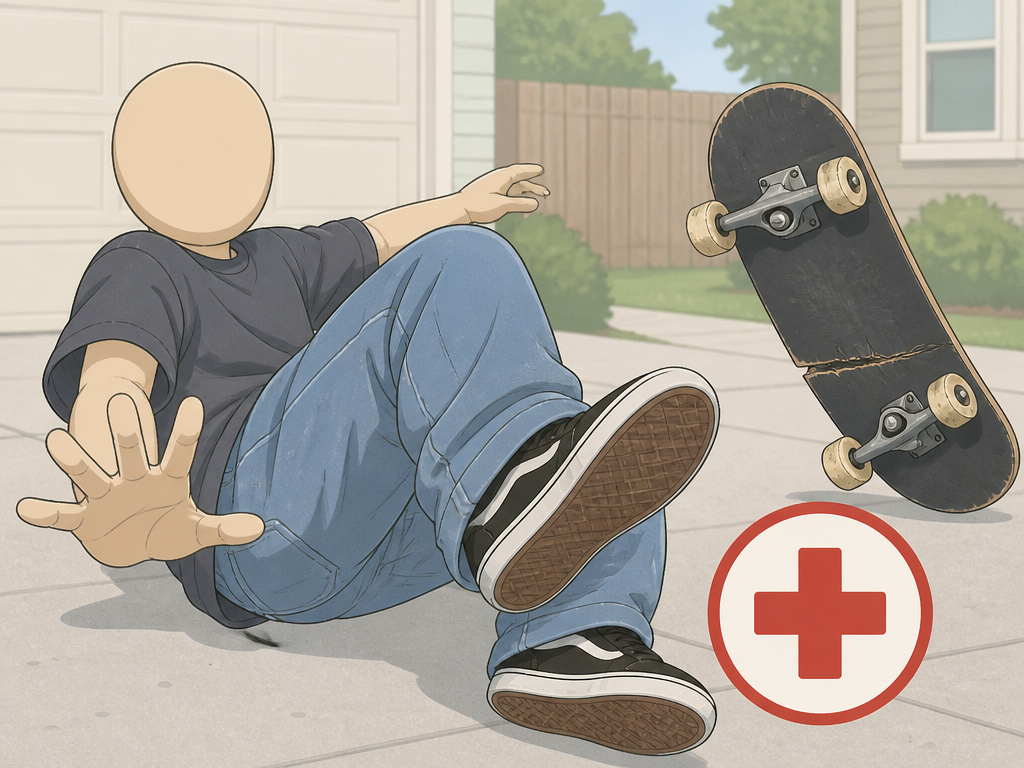
The skateboarding in the 2000s boom had a dark, statistically robust underbelly. The thrill was real, and so were the emergency room visits. A peer-reviewed study of US data from 1990-2008 paints a stark picture: this wasn’t a safe hobby suddenly becoming dangerous; it was a dangerous hobby becoming drastically more popular, and the infrastructure didn’t keep up.
The numbers are sobering. An estimated 1,226,868 children and adolescents were treated in emergency departments for skateboarding injuries in that period. The annual rate of injuries increased by 378.9% from 1994 to 2008. For kids aged 11-14, the rate skyrocketed by 587.0%. Where were they getting hurt? 37.3% at home (driveways, makeshift ramps), and 29.3% in streets or highways. This highlights the central conflict: skateparks were still relatively rare, so public space became the playground.
| Injury Factor | Early 2000s Reality | Safety Recommendation |
|---|---|---|
| Location | Street/Highway (29.3% of injuries). High risk of collision. | Skate in designated skateparks. Avoid traffic. |
| Supervision | Children 6-10 years old often unsupervised. | The Committee on Injury and Poison Prevention (2002) recommends close supervision for this age group. |
| Protective Gear | Low compliance; seen as uncool. | Helmets meeting CPSC or ASTM F1492 standards reduce head injury risk. |
| Board Integrity | Product failures like wheel blow-outs occur. | Heed recall notices, like the 2009 Orangatang wheel recall for core shear. |
The response from safety organizations evolved during the decade. A 1998 Consumer Product Safety Commission (CPSC) recommendation advised that helmets meeting its standard or the N-94 standard should be worn. Meanwhile, ASTM International developed F1492, a dedicated standard specification for skateboarding helmets covering peak acceleration tests, impact anvils, and retention systems. This standard, ASTM F1492, covers requirements like peak acceleration and impact anvils specific to skateboarding and trick roller skating.
The decade also saw its first major electric skateboard recalls, a harbinger of future safety debates. In 2009, Loaded Boards recalled about 1,200 sets of Orangatang ‘In-Heat’ wheels due to cores shearing and causing blow-outs. These incidents underscore how the 2000s drive for innovation, taking skateboarding faster and further, introduced complex new failure modes that traditional skating never faced.
Late 2000s Shift and Olympic Prelude
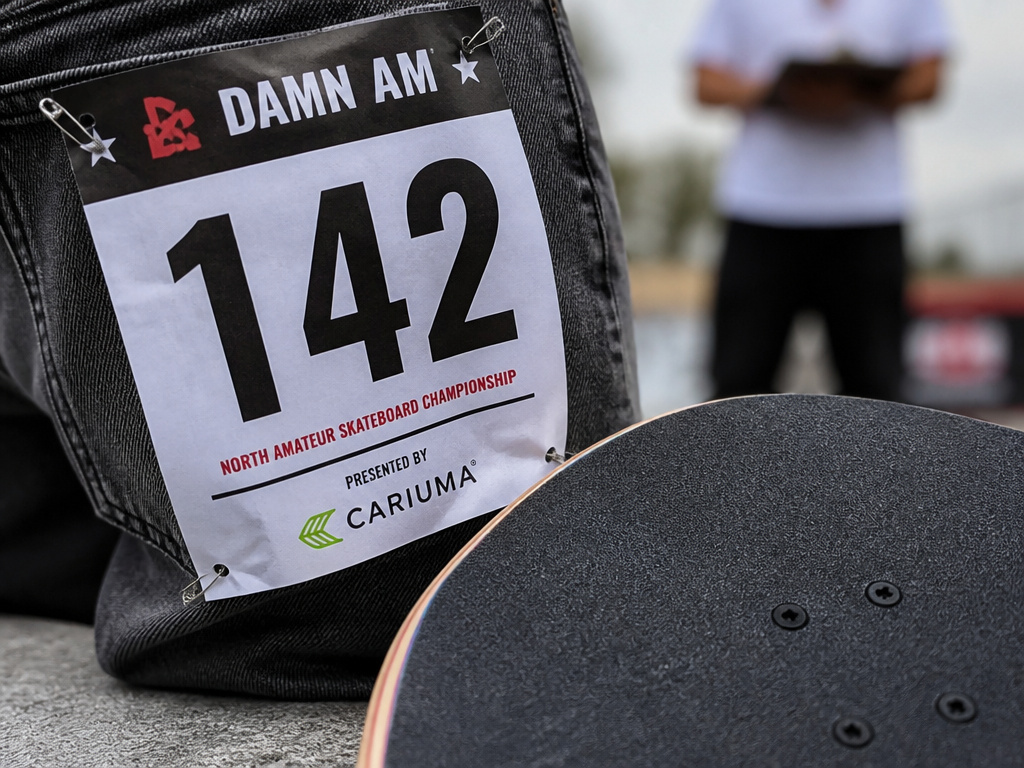
By 2007-2008, the monolithic “skater” identity of the early 2000s was cracking. The baggy jeans were getting slimmer, the pop-punk was giving way to indie rock and hip-hop, and the culture began to fragment into distinct scenes. The “emo” and “scene” subcultures overlapped with skating but brought their own fashion and music, diluting the uniform look. Simultaneously, skating itself was becoming more professionalized and diverse.
This split the demographic and the gear market, creating a parallel skate world with its own media and events.
Within traditional skating, the path to professionalization accelerated. Sponsorships became more structured, contest circuits like the Street League (founded in 2010) began to take shape, and the athleticism required to reach the top tier increased exponentially. This set the stage for the most profound change of all: the Olympics.
The aesthetic of the early 2000s, raw, individualistic, anti-authority, was on a collision course with the structured, judged, national-team framework of the Games. By the decade’s close, the question wasn’t “if” but “how” skateboarding would change to fit the Olympic mold, a journey we’ve detailed in our look at skateboarding’s Olympic journey.
It appealed to purists and acted as a digital training ground, influencing a generation’s understanding of body mechanics and trick selection. This digital-physical feedback loop is a defining legacy of the era, a topic explored further in our history of skateboarding video games.
Iconic Figures and Lasting Influence
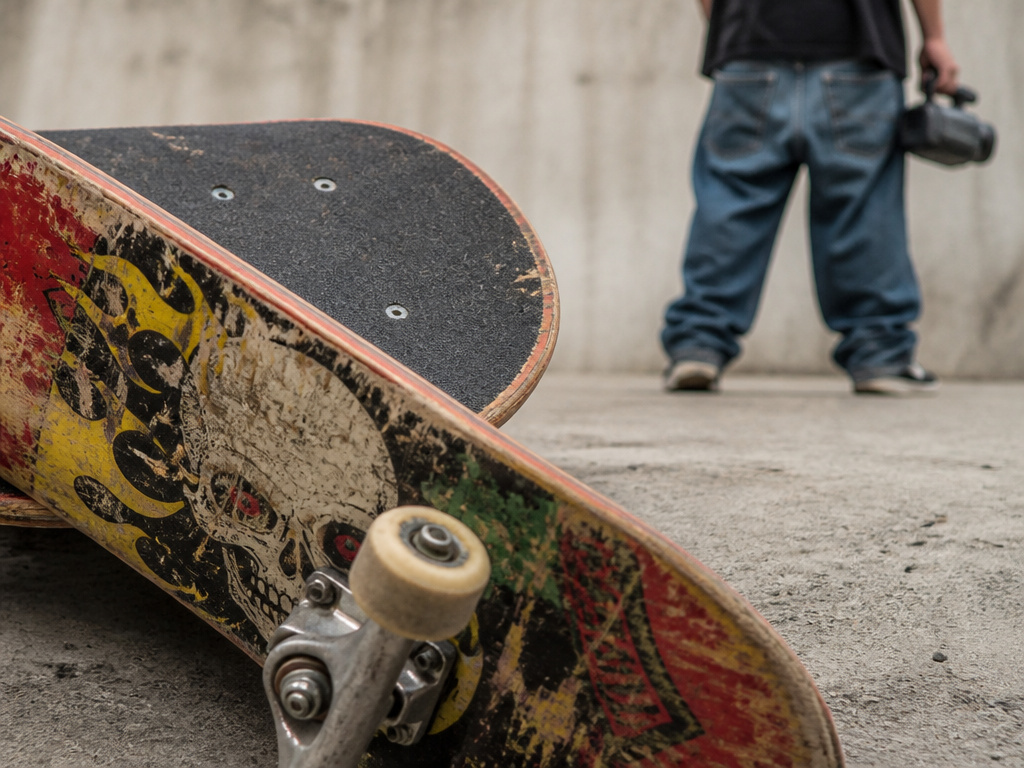
The 2000s were stacked with skaters who defined different aspects of the era. Tony Hawk remained the global ambassador, but his role shifted from active competitor to icon and entrepreneur. Bam Margera and the Jackass/CKY crew embodied the chaotic, party-hard side of skate culture, blending stunts with reality TV in a way that captured (and arguably caricatured) the lifestyle for mainstream audiences.
His rise mirrored the era’s trend toward younger, more athletic, and commercially polished skaters.
Their influence extended beyond tricks. The business of skateboarding changed. The “skater-owned” ethos of the 90s persisted but now operated within a much larger, more corporate ecosystem. To understand how this era fits into the broader picture, our overview of skateboarding history provides essential context.
Iconic skate videos of the era
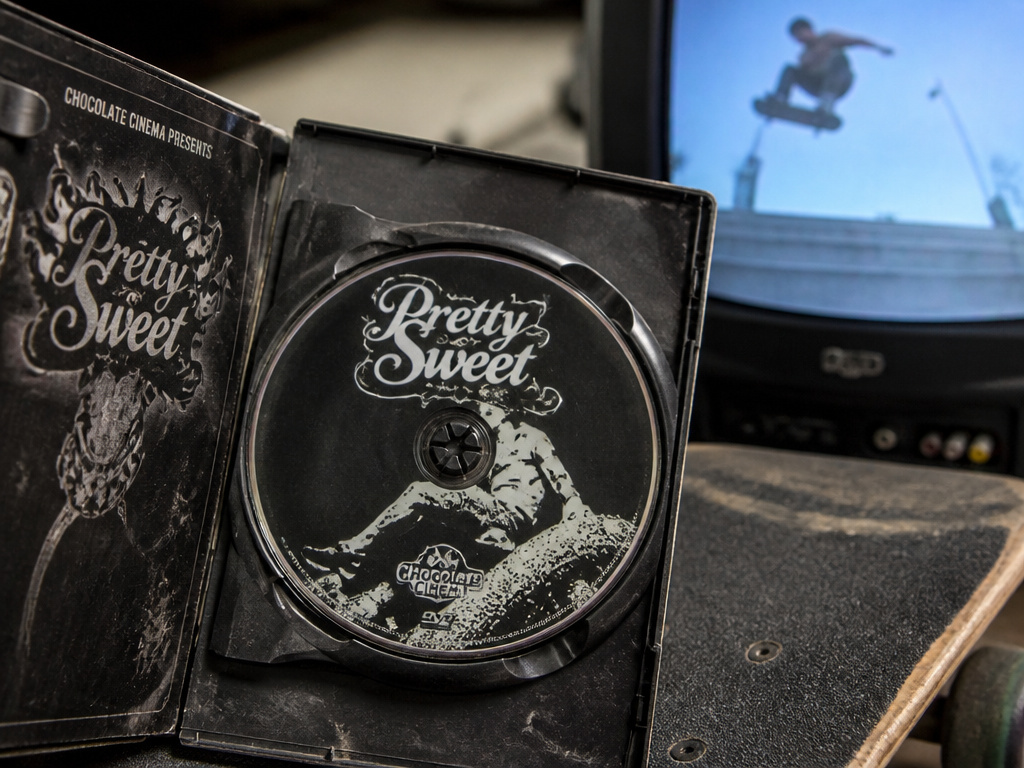
The fact sheet provided does not contain information about specific skate videos from the 2000s. To find iconic videos from this period, look for full-length video releases from the major skateboard companies of the time. These videos often featured teams of professional skaters and were pivotal in defining trends and showcasing talent. Checking online video platforms or dedicated skateboarding archives can be useful for viewing these historical pieces. Remember, the style and music in these videos are a direct reflection of the era’s culture.
Frequently Asked Questions
Was skateboarding popular in the 2000s?
Yes, it reached peak mainstream popularity in the early to mid-2000s. This was driven by the Tony Hawk’s Pro Skater video game series, extensive MTV coverage, and a youth fashion trend that adopted skate-style baggy jeans, graphic tees, and puffy shoes. It was a cultural moment where skating aesthetics were adopted by many who never stepped on a board.
Who were some famous skaters in the 2000s?
Iconic names include Tony Hawk (the icon), Bam Margera (the chaotic media personality), Ryan Sheckler (the teen prodigy), and Bob Burnquist (the mega-ramp pioneer). For technical street skating, Chris Cole, Paul Rodriguez, and Eric Koston were hugely influential. This built upon the foundation laid by legends from the 1990s.
What was the typical skater look in the early 2000s?
The uniform was baggy, often oversized jeans (sometimes sagging), a graphic t-shirt from a skate brand like Element or Volcom, bulky skate shoes from DC or Osiris, and frequently a chain wallet. Hairstyles varied from bleached tips to shaggy cuts. This look is deeply explored in our analysis of how skateboarding shaped fashion.
Was Sid from Lords of Dogtown a real person?
Sid is a fictional composite character in the 2005 film Lords of Dogtown, which dramatized the 1970s Z-Boys era. He represents the many young, talented skaters who were part of the scene but weren’t necessarily documented in the original Dogtown and Z-Boys documentary. The film itself was a late 2000s attempt to reconnect with skating’s raw, roots-oriented skate culture.
What happened to skateboarding at the end of the 2000s?
The culture fragmented. The mainstream bubble deflated as fashion trends shifted towards “emo” and “scene” styles. Skating itself split into more specialized disciplines like technical street, big vert, and longboarding. The professionalization of the sport accelerated, setting the stage for its eventual inclusion in the Olympics. The digital age, with YouTube and social media, permanently changed how skate media was made and consumed.
The Bottom Line
The 2000s for skateboarding were a decade of explosive growth, painful contradictions, and irreversible change. It was when skating conquered the mainstream, only to see that victory complicate its core identity. The data doesn’t lie: as participation soared, so did injuries, forcing a harder look at gear, infrastructure, and personal responsibility.
The legacy is everywhere: in the width of a modern deck, the athleticism of an Olympic run, the lithium-ion battery of an electric skateboard, and the digital-native way a 15-year-old learns a trick today. The era proved skateboarding could be a billion-dollar global industry and a grassroots subculture at the same time, even if that balance was always uneasy.
If you want to understand modern skating, start here. The 2000s built the bridge.
