
How Skateboarding Became Popular: The Z-Boys Era
This post contains affiliate links. As an Amazon Associate, we earn from qualifying purchases.
Skateboarding became a global phenomenon because of a unique, unrepeatable convergence in 1970s Southern California: a vibrant surf culture, a severe drought that left thousands of newly built backyard pools empty, the recent invention of grippy polyurethane wheels, and a fiercely entrepreneurial spirit among young skaters. Remove any one of these ingredients, and professional skateboarding as we know it likely doesn’t exist.
That specific recipe, surf style meets empty concrete bowls meets new technology, explains why the sport professionalized explosively between 1975 and 1979. It wasn’t a gradual, organic growth. It was a cultural big bang triggered by environmental and industrial factors happening in the same place at the same time. This is the story of how skateboarding became popular.
What follows is a breakdown of that perfect storm, how it propelled skateboarding from sidewalk surfing to an Olympic sport, and why its popularity has always moved in cycles of explosive booms and sudden busts.
Key Takeaways
- Professional skateboarding could only have started in 1970s Southern California due to the unique mix of surf culture, drought-emptied pools, and new urethane wheel technology.
- A drought order in the mid-1970s left countless kidney-shaped backyard pools empty, creating the first “vert” ramps and directly inspiring modern skatepark bowl designs.
- Polyurethane wheels were the fundamental technical catalyst, allowing for faster speeds and higher traction than clay or steel wheels.
- Skateboarding’s popularity has followed distinct boom-and-bust cycles tied to technology, media, and the economy, with major resurgences driven by video games and the Olympics.
- The sport spread globally in the 1980s largely through handheld consumer video cameras, which allowed skaters to film and share tricks worldwide, creating the first skate media stars.
The 1950s & 60s: From Sidewalk Surfing to Clay Wheels
Skateboarding, as it exists today, was born from boredom. When the waves were flat in post-war California, surfers looked for a way to replicate the feeling on land. They nailed roller skate wheels to wooden planks and called it “sidewalk surfing.” The first manufactured skateboards were ordered by a Los Angeles surf shop.
But those early boards were crude. Wheels were made of clay or even metal. The ride was loud, unforgiving, and jarring, you felt every crack in the pavement. Control was minimal. I’ve tried a board with period-correct clay wheels. The vibration shoots right up your spine, and stopping is more of a hopeful suggestion than a controlled maneuver. It’s no wonder the first boom in the mid-60s fizzled as quickly as it started; the hardware simply couldn’t support the ambition.
The part nobody mentions: Clay wheels wore down into a fine, gritty dust that coated everything. A long session left your shoes and pants caked in a light brown powder, a clear sign the wheels were disintegrating beneath you.
| Era | Primary Wheel Material | Key Limitation | Resulting Style |
|---|---|---|---|
| 1950s-60s | Clay / Metal | Poor traction, loud, rough ride | Basic cruising, simple maneuvers |
| Early 1970s | Steel / Composite | Slightly smoother, but still slippery | Improved speed, early slalom |
| Post-1972 | Polyurethane | Excellent grip, quiet, durable | Vertical tricks, high-speed carving |
This initial period proved there was a hunger for the sport, but the technology wasn’t there yet. The real catalyst was waiting in a factory on the other side of the country.
The Perfect Storm: Drought, Pools, and Wheels
The story of how skateboarding became popular hinges on three things arriving in Southern California at the same time: a new wheel, a dry climate, and a built environment ready to be exploited.
First, the technology. Polyurethane wheels were discovered and commercialized, replacing clay wheels and providing excellent grip and toughness. Polyurethane wheels were introduced commercially, and their superior performance was quickly adopted by skaters in California. The difference was night and day. Polyurethane gripped the pavement. It was quiet. It absorbed vibration. Skaters could suddenly carry speed, make sharp turns, and trust their equipment. It was, as the University of Cambridge analysis of 1970s skateboarding notes, the fundamental mechanical upgrade that made everything else possible.
Second, the environment. The greater LA region was in the midst of a building boom, installing up to 20,000 new kidney-shaped pools per year in the 1960s. Then, a severe drought hit. In 1977, state authorities issued a drastic water-use reduction order. Countless new pools were left empty. As the NIH drought and skateboarding study details, these smooth, curved concrete bowls became accidental skateparks.
Third, the culture. Southern California was the epicenter of surf culture, which provided the stylistic blueprint, the low, crouched stance, the search for “flow,” the rebellious attitude. Put a grippy-wheeled board in the hands of a surfer staring into an empty pool, and vertical skating was inevitable. You could now pump back and forth, gain air off the lip, and treat the pool like a wave. This wasn’t planned. It was a bunch of kids seeing a problem (a drought) as an opportunity (a free skatepark).
The rise of professional skateboarding could only have originated in 1970s Southern California due to a unique confluence of surf culture, entrepreneurial climate, drought-emptied pools, and polyurethane wheels. . PNAS Nexus Study, 2023
This confluence was geographically locked. You could have the drought and pools in Arizona, but without the deep surf culture, it wouldn’t spark. You could have the wheels and the surf culture in Florida, but without the specific architecture of L.A.’s backyard pools, vert skating wouldn’t have found its first canvas. This perfect storm is the core of the story of how skateboarding became popular.
The Z-Boys Era and Media Explosion (1975-1979)
With the stage set, a specific group of skaters became the catalyst that pushed the sport into the public eye. The Zephyr team, or Z-Boys, from Santa Monica were surfers first. They brought a radical, aggressive, low-to-the-ground style to the 1975 Del Mar National Championships and blew everyone away. They didn’t just ride the pool; they attacked it. This team, featuring future legends like Tony Alva and Stacy Peralta, became the bridge between the underground pool scene and the mainstream.
Media was the amplifier. Skateboarder Magazine, which had been dormant, relaunched in 1975. Its pages from 1975 to 1979 document the sport’s evolution at a dizzying pace. One month, skaters are carving empty reservoirs. The next, they’re getting full vertical air in backyard pools. The magazine didn’t just report on the culture; it helped create it, providing a national platform for local scenes. The visuals were key, the advent of affordable, high-quality photography and printing meant the action could be captured and glorified in full color.
The entrepreneurial spirit kicked in hard. Major companies were founded in a three-year burst: Vision Street Wear (1976), Alva (1977), and Powell Peralta (1978). This wasn’t just kids skating; it was kids building brands, sponsoring riders, and creating a commercial industry almost overnight. The Z-Boys didn’t just popularize a new way to skate; they proved you could build a business around it.
From Local Scenes to Global Industry (The 1980s)

By 1980, the vert revolution had peaked, and the first dedicated skateparks were being bulldozed due to liability issues and the economic downturn. This could have been the end. Instead, skaters adapted. Without pools and ramps, they took to the streets, literally. The 1980s saw the rise of street skating, using urban architecture like stairs, handrails, and benches as obstacles. The focus shifted from flowing vert lines to technical, explosive tricks like the ollie, which allowed skaters to jump onto and over things.
Two innovations drove skateboarding’s popularity global in this decade. First, the VCR and the handheld consumer video camera. Teams like the Bones Brigade (Powell Peralta’s team) started producing full-length skate videos. These tapes circulated globally, creating international stars out of skaters like Tony Hawk and Rodney Mullen. You didn’t need a skatepark in Sweden to see the latest California trick; you just needed a copied VHS tape. This visual culture is a pillar of the broader skateboarding culture.
Second, the culture began embedding itself in broader fashion and music. Skate shoes became everyday wear. Punk and hip-hop soundtracks defined skate videos. The look and attitude spread far beyond the skatepark, turning skating into a full skateboarding lifestyle. While the 1980s skateboarding scene had its own bust period, the seeds for the next boom were planted in the video stores and on the streets.
Boom, Bust, and Mainstream Acceptance (1990s-Present)

Skateboarding’s popularity has never been a straight line. It’s a series of sharp peaks and deep valleys. The early 90s were a bust, mall skate shops closed, coverage dried up. But from the grassroots, a new, grittier street style emerged, documented on shaky camcorder footage traded among hardcore enthusiasts.
Then, two external forces triggered the massive 1990s boom. The 1995 launch of the ESPN X Games gave skateboarding a major television platform, legitimizing it as a “sport.” But the real rocket fuel was 1999’s Tony Hawk’s Pro Skater video game. It sold millions of copies to people who had never stood on a board. It made the tricks, the music, and the attitude cool and accessible. Suddenly, every suburban kid wanted a skateboard. This was the moment skating truly became mainstream pop culture, a key chapter in any skateboarding history.
Skateboarding made its Olympics debut at the 2020 Summer Olympics in Tokyo.
Yet, the core tension remains. Is it a rebellious lifestyle or a competitive sport? The answer is both. The 1990s skateboarding explosion proved the commercial potential, but the heart of skating is still in the DIY spirit, finding a spot, filming a line, and being part of a scene. That’s why its influence on skateboarding fashion and art remains so potent.
What were the key skateboard innovations?
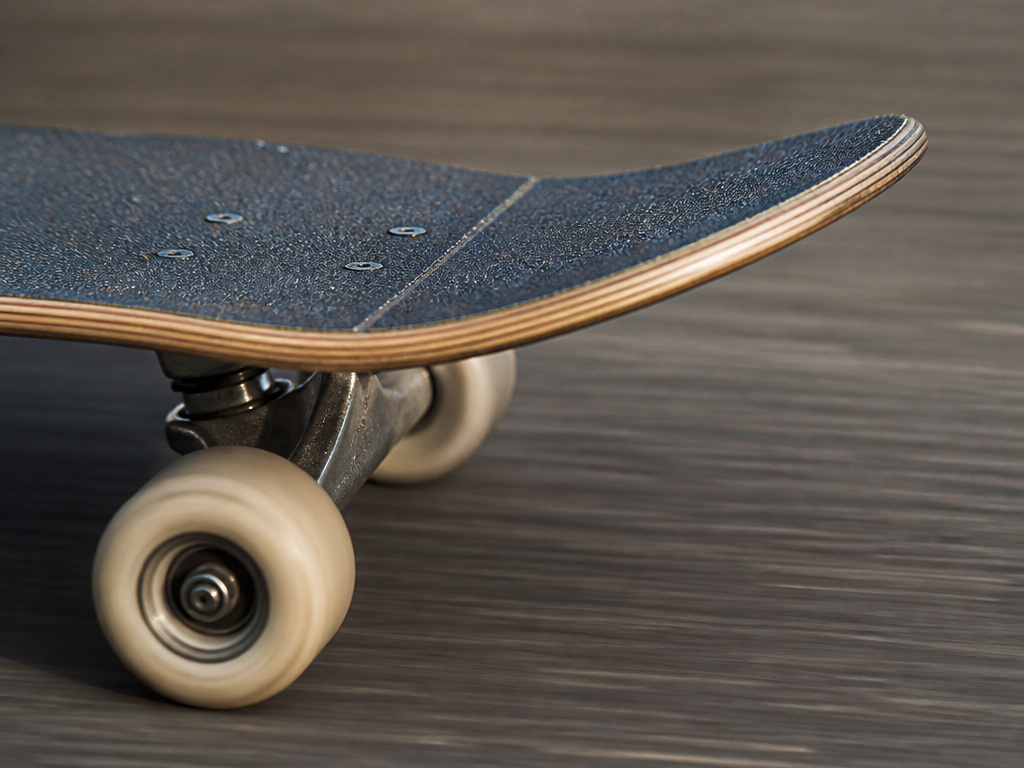
The switch to polyurethane wheels was a pivotal advance. These new wheels replaced older clay ones, offering far better grip and toughness. This allowed skaters to make faster turns at higher speeds, fundamentally changing how they could move. Another critical invention was the kicktail, the upward curve at the end of the board, which gave riders much more control for maneuvering. These technical advances, combined with the creative moves developed by riders, transformed skateboarding from simple sidewalk surfing into a dynamic sport capable of vertical tricks.
How did magazines help popularize skateboarding?
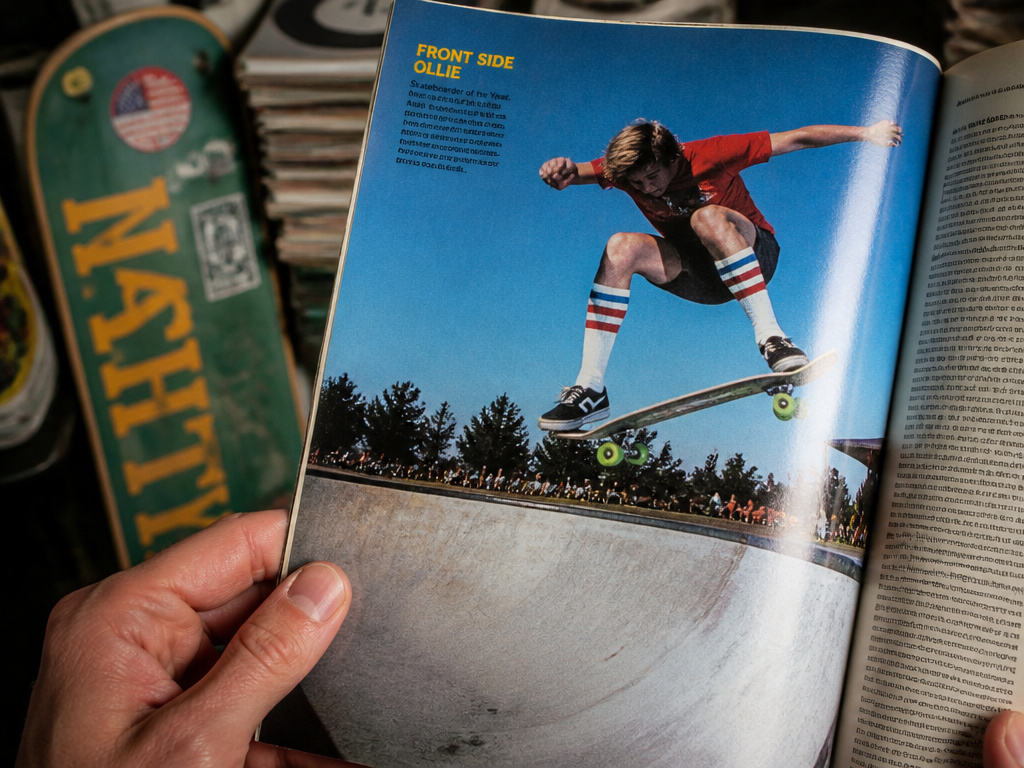
Magazines played a crucial role in spreading skate culture and progression. Publications like Skateboarder magazine documented the extraordinary pace of change within the community, especially during the late 1970s. They showcased new tricks, styles, and the emerging stars of the sport, connecting skaters across different regions. This print media helped codify a shared identity and pushed the boundaries of what was possible by highlighting the latest innovations, effectively creating a nationwide conversation and community around skateboarding.
How did companies and brands influence skateboarding?
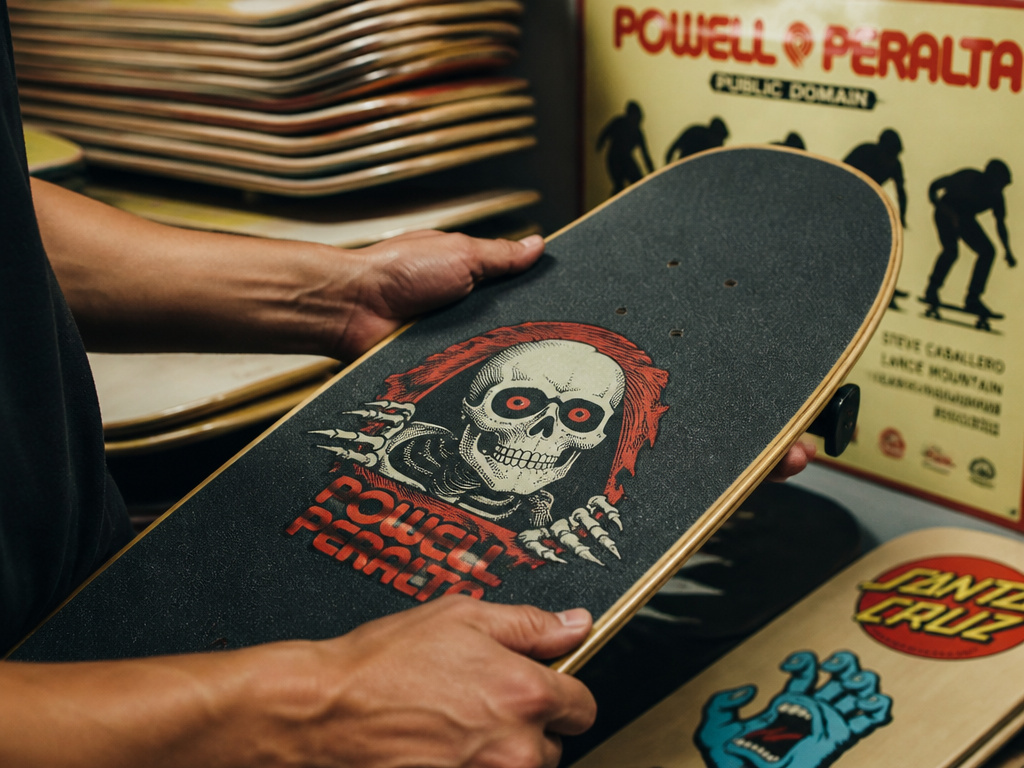
The rise of dedicated companies provided the foundation for professional skateboarding. In the mid-to-late 1970s, several major skateboard companies were founded, turning local passion into a structured industry. These brands manufactured better equipment, sponsored influential teams and riders, and helped organize competitions. By supporting athletes and promoting the culture, these entrepreneurial companies moved skateboarding from a backyard hobby into a viable professional pursuit, setting the stage for it to become a global industry in the following decade.
Frequently Asked Questions
When did skateboarding start to get popular?
Sources disagree on the timing of skateboarding’s first boom; the Springer article places it in 1963–1965, while Wikipedia suggests its origins were in the late 1940s or early 1950s. The true, sustained rise to global popularity began in the mid-1970s with the Z-Boys, polyurethane wheels, and empty swimming pools in Southern California. This era laid the foundation for every subsequent boom.
Why does skateboarding’s popularity go up and down?
Skateboarding has always followed boom-and-bust cycles. Booms are driven by new technology (urethane wheels, video cameras, video games) or media exposure (X Games, Olympics). Busts happen when the industry over-expands, the economy dips, or the mainstream moves on to the next trend. The core community always remains, ready to fuel the next resurgence.
What role did video games play?
Massive one. Video games like Tony Hawk’s Pro Skater helped drive skateboarding’s mainstream popularity in the late 1990s and early 2000s.
Could it have started somewhere else?
According to peer-reviewed research, probably not. The University of Cambridge skateboarding story emphasizes that the exact combination of 1970s Southern California surf culture, drought-emptied kidney-shaped pools, polyurethane wheel timing, and entrepreneurial skaters was a unique historical confluence. Change the location or the decade, and professional vert skateboarding likely doesn’t emerge.
How did it go from local to global?
The handheld consumer video camera in the 1980s was the key. Skaters could film their tricks and produce videos that were copied, traded, and sold worldwide. This created global stars, unified the international scene around certain tricks and styles, and allowed the culture to spread independently of traditional sports media.
Before You Go
One lesson from skateboarding’s history is that popularity isn’t permanent. It’s cyclical. The next boom might come from a new app, a viral trick, or a shift in youth culture no one sees coming. But the foundation, the urge to repurpose urban space, the blend of athleticism and artistry, the DIY community, that doesn’t change.
If you’re curious about how your own board’s width or wheel shape ties back to these historical shifts, that’s where the gear tells its own story. The popsicle stick board was developed in the early 1990s, and modern skatepark bowls are modeled after the private pools used by 1970s skaters. The past isn’t just dates; it’s built into the equipment under your feet.
